Chuyên sâu trong lĩnh vực vật liệu rời công nghiệp, cung cấp giải pháp môi trường thông minh tích hợp cho phối trộn tự động, cấp liệu tập trung, khử lưu huỳnh và khử nitơ khô!
When it comes to handling mica powder, selecting the right pneumatic conveying system is crucial for efficiency and reliability. Mica powder, known for its unique properties such as high aspect ratio and light weight, requires specialized system design to ensure smooth and safe transportation. This article outlines key considerations and steps for designing an effective mica powder pneumatic conveying system, with insights from Shandong HeadPowder Engineering Co., Ltd., a leading provider in the field.
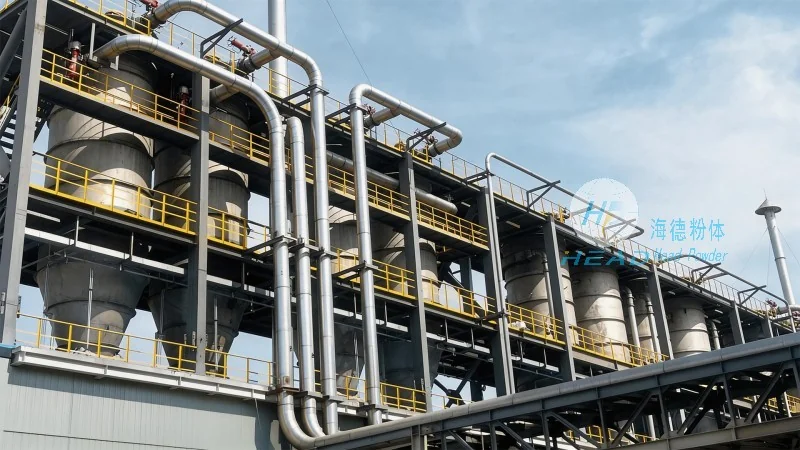
Understanding Mica Powder Characteristics for System Design
Mica powder is characterized by its fine particle size, often ranging from a few microns to several hundred microns, and a high specific surface area. These properties affect how the powder behaves during pneumatic transport. For instance, fine particles are more prone to agglomeration and can cause blockages if the system pressure or air velocity is not properly managed. Additionally, mica's light weight means that the conveying system must be designed to handle low density materials without excessive energy consumption. Shandong HeadPowder Engineering Co., Ltd. emphasizes that understanding these material properties is the first step in creating a tailored solution.

Key Design Factors for Pneumatic Conveying Systems
Several critical factors must be considered when designing a pneumatic conveying system for mica powder. The first is the conveying distance and layout of the system. Short-distance conveying may use low-pressure systems, while long-distance or complex layouts often require high-pressure or positive-pressure systems. The choice of system type—such as dilute-phase or dense-phase—depends on the material's flowability and the desired throughput. Dilute-phase systems are suitable for fine powders like mica, as they rely on high air velocity to keep particles suspended. Dense-phase systems, on the other hand, use lower air velocity and higher pressure to move material in a more controlled manner, reducing the risk of particle degradation. HeadPowder, as a company specializing in powder handling solutions, advises clients to evaluate their specific operational needs, including production volume, storage locations, and end-use applications, to determine the most appropriate system configuration.
System Components and Their Role in Mica Powder Conveying
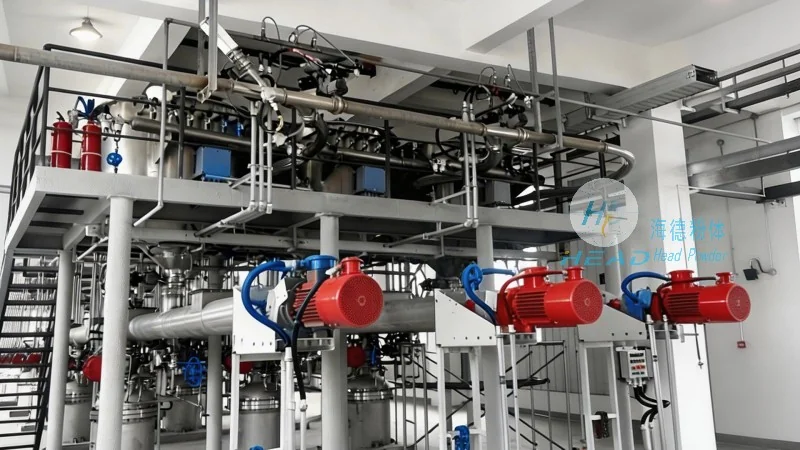
A pneumatic conveying system consists of several key components, each playing a vital role in the overall performance. The primary components include the hopper or feeder, which feeds the mica powder into the system; the air compressor or blower, which generates the necessary airflow; the conveying line, which transports the material; and the receiver or discharge unit, where the powder is collected. The hopper design is particularly important for mica powder, as it must prevent material bridging and ensure consistent feeding. HeadPowder engineers often recommend using a hopper with a conical bottom and a venturi or rotary valve to maintain a stable flow. The air compressor must be selected based on the required pressure and flow rate, with considerations for energy efficiency and noise levels. For mica powder, which is sensitive to pressure changes, a variable frequency drive (VFD) on the blower can help regulate airflow and maintain system stability. The conveying line material is also critical; stainless steel or food-grade materials are often preferred to prevent contamination and corrosion, especially when dealing with high-purity mica products.
Ensuring System Efficiency and Reliability
Efficiency and reliability are paramount when designing a mica powder pneumatic conveying system. HeadPowder Engineering Co., Ltd. focuses on optimizing system performance by considering factors such as pressure drop, energy consumption, and maintenance requirements. Pressure drop in the conveying line is a key metric, as excessive pressure drop can lead to reduced throughput or system failure. Engineers at HeadPowder use computational fluid dynamics (CFD) to model the system and predict pressure drop under different operating conditions. This allows them to select the appropriate pipe diameter and air velocity to minimize energy use while maintaining reliable transport. Maintenance is another critical aspect, as mica powder can be abrasive and may cause wear on system components. Regular inspection of the hopper, valves, and conveying line is essential to prevent blockages and ensure long-term system performance. HeadPowder offers comprehensive maintenance services and spare parts to support their clients, ensuring that the system operates at peak efficiency throughout its lifecycle.
Case Study: Successful Mica Powder Conveying Implementation

Shandong HeadPowder Engineering Co., Ltd. has successfully implemented numerous mica powder pneumatic conveying systems for clients across China. One notable project involved a client in Shandong province who needed to transport fine mica powder from a storage silo to a processing plant over a distance of 100 meters. The HeadPowder team designed a high-pressure dilute-phase system with a 0.5 MPa air compressor and a stainless steel conveying line. The system was installed with a rotary valve feeder to control the material flow and a venturi to maintain consistent air velocity. The client reported a significant improvement in production efficiency, with reduced downtime and lower energy costs compared to their previous manual handling methods. This case study highlights the importance of tailored system design and the expertise of HeadPowder in delivering reliable solutions for mica powder handling.
Conclusion: Partnering with HeadPowder for Optimal Mica Powder Conveying
Designing a reasonable mica powder pneumatic conveying system requires a deep understanding of material properties, system components, and operational requirements. Shandong HeadPowder Engineering Co., Ltd. combines technical expertise with practical experience to provide customized solutions that meet the unique needs of each client. By focusing on efficiency, reliability, and long-term performance, HeadPowder ensures that their clients can achieve optimal results in their mica powder handling operations. Whether you are looking to upgrade an existing system or design a new one, partnering with HeadPowder can help you achieve your production goals with confidence.

 Shandong Headpowder Engineering Co., Ltd.
 156-6277-7102(Quản lý Trương)
  0531-83386006
  Thành phố Tế Nam, Tỉnh Sơn Đông, Trung Quốc
Điện thoại
WeChatTư vấn
Lên đầu