Chuyên sâu trong lĩnh vực vật liệu rời công nghiệp, cung cấp giải pháp môi trường thông minh tích hợp cho phối trộn tự động, cấp liệu tập trung, khử lưu huỳnh và khử nitơ khô!
When it comes to managing the transportation of dye powders in industrial settings, a well-designed pneumatic conveying system is essential for ensuring efficiency, reliability, and cost-effectiveness. As a leading provider in the field, Shandong HeadPowder Engineering Co., Ltd. specializes in creating tailored solutions that meet the unique demands of dye processing operations. With years of experience in the industry, the company understands that the success of a pneumatic conveying system for dyes hinges on careful planning and consideration of various technical and operational factors.
Understanding the Core Components of a Dye Pneumatic Conveying System

A typical dye pneumatic conveying system consists of several critical components that work in tandem to move material from one location to another. The primary elements include a material feeder, which ensures a consistent and controlled flow of dye powder into the system. This is often followed by a conveying line, which can be either positive pressure or negative pressure, depending on the specific requirements of the application. The system may also incorporate a separator or filter to remove excess air and separate any particles that may have escaped the main flow. Additionally, a gas source, such as a blower or compressor, provides the necessary air pressure to drive the material through the pipeline. Each component must be carefully selected and sized to ensure the system operates within its optimal performance range.
Key Factors to Consider in System Design
Designing a pneumatic conveying system for dyes requires a thorough analysis of several key factors. First, the physical properties of the dye powder itself are crucial. Factors such as particle size, density, moisture content, and flowability directly impact the system's performance. For example, fine particles may require a higher air velocity to prevent clogging, while larger or more cohesive particles may need a different type of feeder or a more robust separation system. The distance and layout of the conveying path are also critical considerations. The length of the pipeline, the number of bends, and the elevation changes will affect the required air pressure and the overall energy consumption of the system. Furthermore, the desired throughput rate and the required material handling capacity must be matched with the appropriate equipment specifications. A mismatch in these parameters can lead to system inefficiencies, increased energy costs, or even equipment failure.
Choosing the Right Conveying Method: Positive vs. Negative Pressure

One of the most important decisions in designing a dye pneumatic conveying system is selecting the appropriate conveying method. The two main types are positive pressure and negative pressure systems. Positive pressure systems use a blower to force air and material through the pipeline, making them suitable for short to medium distances and applications where the material needs to be transported to a higher elevation. These systems are generally more reliable for handling abrasive or corrosive materials, as the material is always in contact with the pipeline walls, reducing the risk of particle degradation. On the other hand, negative pressure systems use a vacuum to draw material into the pipeline, which is ideal for long-distance or low-level applications where the material needs to be moved from a higher elevation to a lower one. Negative pressure systems are often more cost-effective for shorter distances but may require more maintenance due to the higher air velocity and potential for particle buildup in the suction line.
Material Feeder Selection and Its Impact on System Performance

The material feeder is a critical component in any pneumatic conveying system, as it directly affects the system's ability to maintain a consistent flow of dye powder. The choice of feeder depends on the characteristics of the dye material. For free-flowing, non-abrasive powders, a rotary valve or a star feeder may be sufficient. However, for cohesive or sticky dyes, a more specialized feeder such as a pressure or vacuum feeder may be required to prevent blockages and ensure smooth material transfer. The feeder must be designed to handle the specific particle size distribution and moisture content of the dye, as these factors can significantly impact the feeder's performance. Additionally, the feeder should be equipped with features like a seal to prevent air leakage and a cleaning mechanism to maintain its efficiency over time. Proper feeder selection is essential to avoid system downtime and ensure the overall reliability of the conveying process.
System Sizing and Pressure Considerations
Accurate system sizing is vital for the efficient operation of a dye pneumatic conveying system. This involves determining the appropriate air volume and pressure required to move the material through the pipeline. The air volume is typically calculated based on the material's flow rate and the required air velocity, which is determined by the particle size and the type of conveying system. The pressure required is influenced by the length of the pipeline, the number of bends, and the elevation changes. For positive pressure systems, the blower must be capable of delivering the necessary pressure to overcome these resistances. In negative pressure systems, the vacuum pump must be able to maintain the required suction pressure. Over-sizing or under-sizing the system can lead to energy inefficiencies or insufficient material transport. Therefore, a detailed calculation of the system's pressure drop and flow characteristics is essential before finalizing the design.
Separation and Filtration in Dye Pneumatic Conveying Systems
Effective separation and filtration are crucial in dye pneumatic conveying systems to maintain product quality and protect downstream equipment. As dye powders are often fine and can be abrasive, it is important to remove excess air and any particles that may have escaped the main conveying line. This is typically achieved using a separator or filter, which can be either a cyclone or a bag filter. The separator works by using centrifugal force to separate the material from the air, while the filter captures any remaining particles. The choice of separator depends on the particle size and the required efficiency of the system. For high-efficiency applications, a multi-stage separator or a combination of cyclone and bag filter may be used. Proper maintenance of the separator and filter is essential to ensure they operate at peak efficiency and prevent system downtime. Regular cleaning and replacement of filter elements are necessary to maintain the system's performance and prevent clogging.
Energy Efficiency and Cost Considerations in System Design
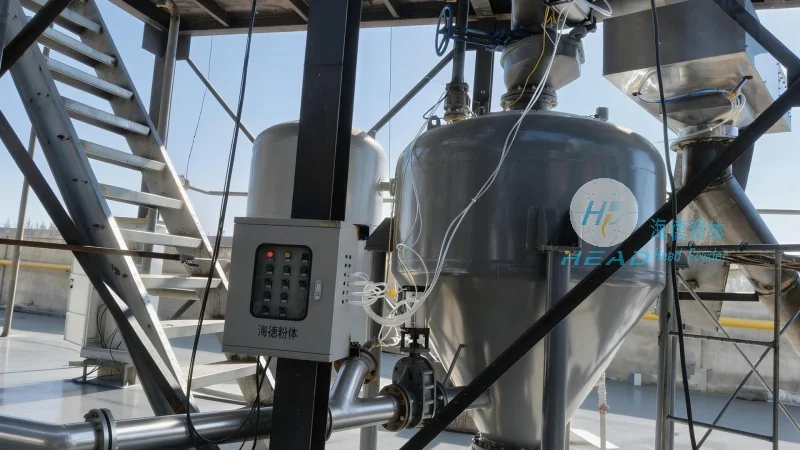
Energy efficiency is a significant factor in the long-term operation of a dye pneumatic conveying system. The choice of conveying method, system sizing, and equipment selection all play a role in minimizing energy consumption. Positive pressure systems are generally more energy-efficient for short to medium distances, as they require less pressure to move the material. However, negative pressure systems may be more cost-effective for long-distance applications due to the lower initial investment in equipment. The use of high-efficiency blowers or vacuum pumps can also reduce energy costs. Additionally, optimizing the system layout to minimize the number of bends and the length of the pipeline can reduce pressure drop and energy consumption. Regular maintenance of the system, including cleaning of filters and checking for air leaks, can also contribute to energy savings over time. By focusing on energy efficiency, companies can reduce operational costs and improve the overall sustainability of their dye processing operations.
Conclusion: The Importance of Professional Design and Implementation
Designing a reasonable dye pneumatic conveying system requires a comprehensive understanding of the material properties, operational requirements, and technical specifications involved. Shandong HeadPowder Engineering Co., Ltd. offers expert guidance and tailored solutions to help clients achieve optimal performance in their dye processing operations. By considering factors such as system type, component selection, and energy efficiency, companies can ensure that their pneumatic conveying system operates reliably and cost-effectively. With the right design and implementation, a dye pneumatic conveying system can significantly improve material handling efficiency, reduce downtime, and enhance overall productivity in industrial dye processing applications.

 Shandong Headpowder Engineering Co., Ltd.
 156-6277-7102(Quản lý Trương)
  0531-83386006
  Thành phố Tế Nam, Tỉnh Sơn Đông, Trung Quốc
Điện thoại
WeChatTư vấn
Lên đầu