

How to Design a Reasonable Caustic Soda Pneumatic Conveying System Plan?
Caustic soda, also known as sodium hydroxide, is a widely used chemical in various industrial processes. Its handling and transportation require specialized equipment to ensure safety and efficiency. A well-designed pneumatic conveying system is crucial for the reliable and safe transport of caustic soda. This article provides a comprehensive guide on how to design an effective caustic soda pneumatic conveying system, focusing on key considerations and best practices.
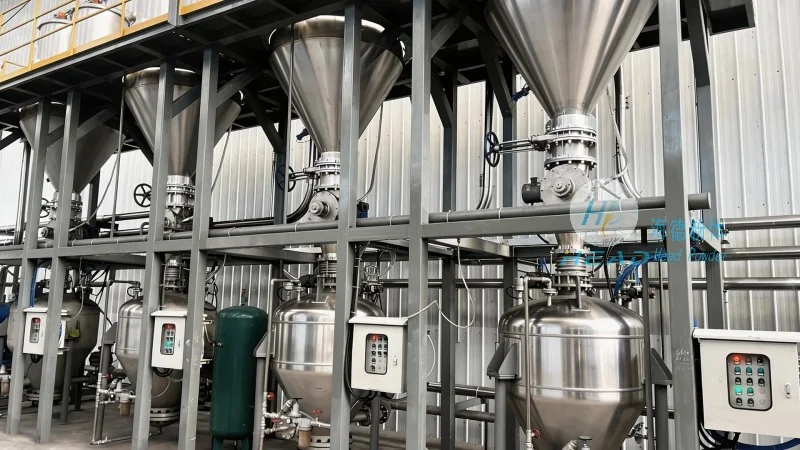
Understanding the Core Requirements for Caustic Soda Pneumatic Conveying
Before diving into the design process, it's essential to understand the unique characteristics of caustic soda and the operational demands of the application. Caustic soda is a highly caustic and corrosive substance, making material selection and system design critical. The system must be capable of handling the material's density, flowability, and potential for moisture absorption. Additionally, the conveying distance, material throughput, and environmental conditions (such as temperature and humidity) must be carefully evaluated to ensure optimal performance.
Key Components of a Caustic Soda Pneumatic Conveying System
The successful operation of a caustic soda pneumatic conveying system relies on several key components working in harmony. These include the material feed system, the conveying line, the air supply system, and the material discharge unit. Each component plays a vital role in the overall efficiency and safety of the system.
Material Feed System Design

The material feed system is the starting point of the conveying process. For caustic soda, a hopper or a rotary valve is typically used to feed the material into the system. The hopper must be designed to prevent material bridging and ensure a consistent flow. The rotary valve, often equipped with a wear-resistant liner, controls the material flow rate and prevents backflow. Proper sealing of the feed system is crucial to avoid dust emissions and maintain material integrity.
Conveying Line and Air Supply System
The conveying line, usually made of stainless steel or other corrosion-resistant materials, transports the caustic soda particles through the system. The air supply system, which may include a blower or a compressor, provides the necessary pressure and airflow to move the material. The choice of air supply equipment depends on the conveying distance, material throughput, and system pressure requirements. For long-distance conveying, a positive displacement blower is often preferred due to its high pressure and efficiency.
Material Discharge and Collection

The material discharge unit is responsible for safely releasing the caustic soda at the destination point. This may involve a receiver or a silo where the material is collected. The discharge system must be designed to prevent material spillage and ensure proper containment. Additionally, the system should include safety features such as pressure relief valves and dust collection equipment to protect against accidental releases.
Material Handling Safety Considerations
Given the hazardous nature of caustic soda, safety is a top priority in system design. The system must comply with relevant safety regulations and standards. This includes proper ventilation to remove fumes, grounding to prevent static buildup, and protective equipment for personnel. Regular maintenance and inspection of the system are also essential to ensure ongoing safety and performance.
System Integration and Maintenance

Integrating the caustic soda pneumatic conveying system with other industrial processes requires careful planning. The system should be designed to work seamlessly with existing equipment and processes. Regular maintenance, including cleaning of the conveying line and replacement of wear parts, is crucial to maintain system efficiency and longevity. A well-maintained system ensures consistent performance and reduces downtime.
Conclusion
Designing a reasonable caustic soda pneumatic conveying system involves a thorough understanding of the material's properties, operational requirements, and safety considerations. By carefully selecting and integrating the key components, and adhering to best practices, an effective and reliable system can be achieved. Shandong HeadPowder Engineering Co., Ltd., with its expertise in chemical engineering and material handling, offers comprehensive solutions tailored to the specific needs of caustic soda transportation. Based in Shandong, China, the company provides professional guidance and support to ensure the successful implementation of pneumatic conveying systems for caustic soda applications.