Chuyên sâu trong lĩnh vực vật liệu rời công nghiệp, cung cấp giải pháp môi trường thông minh tích hợp cho phối trộn tự động, cấp liệu tập trung, khử lưu huỳnh và khử nitơ khô!
When it comes to handling melamine powder, selecting the right conveying method is crucial for efficiency, safety, and product integrity. As a leading provider in the field, Shandong HeadPowder Engineering Co., Ltd. (HeadPowder) offers comprehensive solutions tailored to the unique challenges of melamine powder transportation. This article explores common melamine powder conveying methods, with a focus on air-driven systems that have become increasingly popular in industrial applications.
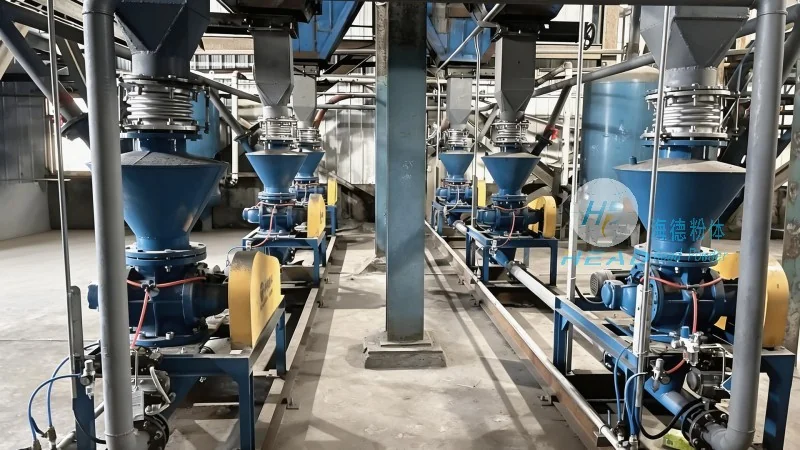
HeadPowder, a reputable name in the powder handling industry, specializes in engineering and manufacturing advanced conveying systems. Based in Shandong, China, the company combines years of experience with cutting-edge technology to deliver reliable solutions for clients worldwide. The company’s commitment to quality and innovation has positioned it as a trusted partner for businesses dealing with melamine and other fine powders.
Overview of Melamine Powder Conveying Methods
Melamine powder, a widely used chemical in various industries including plastics, resins, and coatings, requires specialized handling due to its fine particle size and potential for dust generation. Conveying methods for melamine powder can be broadly categorized into mechanical and pneumatic systems. Mechanical methods, such as screw conveyors and belt conveyors, are suitable for certain applications but may face challenges with fine powders, including clogging and material degradation. In contrast, pneumatic or air-driven systems offer superior performance for melamine powder, providing efficient, dust-free, and continuous transport.

Introduction to Air-Driven Melamine Powder Conveying
Air-driven or pneumatic conveying systems utilize compressed air to transport melamine powder through a pipeline. This method is particularly effective for melamine powder due to its ability to handle fine particles without clogging, ensuring consistent flow rates and minimal product degradation. HeadPowder’s air-driven conveying solutions are designed with precision to meet the specific requirements of melamine powder, including high-purity materials and strict contamination control. The systems typically consist of a blower, a hopper for material storage, and a pipeline network that directs the powder to its destination. By using compressed air, these systems eliminate the need for mechanical components that might come into contact with the powder, reducing the risk of contamination and wear.
Advantages of Air-Driven Conveying for Melamine Powder
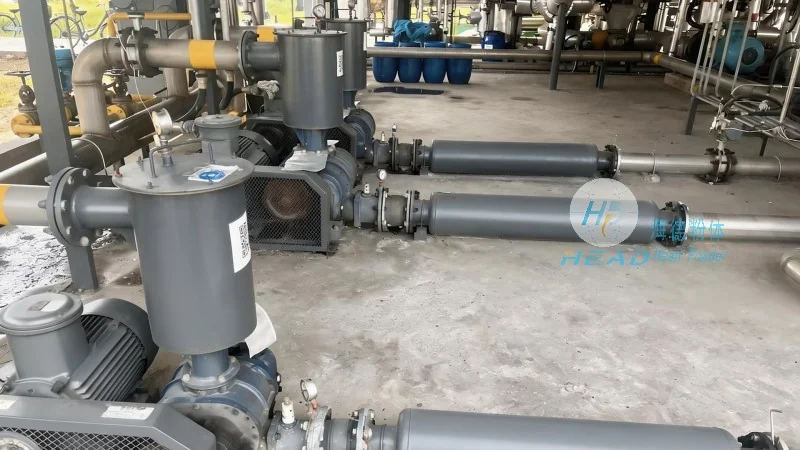
Compared to traditional mechanical conveyors, air-driven systems offer several key advantages for melamine powder handling. First, they provide a dust-free environment, which is critical for maintaining product quality and ensuring workplace safety. The enclosed pipeline system prevents dust from escaping into the air, reducing the risk of inhalation and contamination. Second, air-driven systems offer high efficiency and flexibility, allowing for continuous operation and easy integration with existing production lines. The ability to transport melamine powder over long distances without intermediate storage or handling points enhances overall process efficiency. Additionally, these systems are less prone to clogging and material buildup, as the fine particles are carried by the air flow rather than relying on mechanical force. This results in lower maintenance costs and longer system lifespans.
Comparison with Mechanical Conveying Methods
While mechanical conveyors like screw and belt systems are commonly used in other industries, they present challenges when applied to melamine powder. Screw conveyors, for example, are prone to clogging due to the fine particle size of melamine, which can lead to uneven flow and increased wear on the screw and housing. Belt conveyors, on the other hand, may cause product degradation through friction and exposure to ambient air. In contrast, air-driven systems avoid these issues by using air as the primary transport medium, ensuring that the melamine powder remains in its original state throughout the conveying process. HeadPowder’s air-driven solutions are specifically engineered to address these challenges, providing a more reliable and efficient alternative to traditional mechanical methods.
Conclusion and Recommendations
For businesses dealing with melamine powder, selecting the right conveying method is essential to optimize production efficiency and maintain product quality. Air-driven or pneumatic conveying systems, as highlighted in this article, offer significant advantages over traditional mechanical methods, particularly in terms of dust control, efficiency, and flexibility. HeadPowder, with its expertise in powder handling technology, provides customized air-driven conveying solutions tailored to the unique needs of melamine powder applications. By choosing a reliable air-driven system from HeadPowder, companies can enhance their operational performance, reduce maintenance costs, and ensure compliance with safety and quality standards. Whether for short or long-distance transport, HeadPowder’s air-driven conveying systems are designed to deliver consistent, high-quality results for melamine powder handling.

 Shandong Headpowder Engineering Co., Ltd.
 156-6277-7102(Quản lý Trương)
  0531-83386006
  Thành phố Tế Nam, Tỉnh Sơn Đông, Trung Quốc
Điện thoại
WeChatTư vấn
Lên đầu