Chuyên sâu trong lĩnh vực vật liệu rời công nghiệp, cung cấp giải pháp môi trường thông minh tích hợp cho phối trộn tự động, cấp liệu tập trung, khử lưu huỳnh và khử nitơ khô!
HeadPowder, a leading enterprise in the field of powder processing and conveying solutions, specializes in providing efficient and reliable methods for transporting anhydrous sodium sulfate. This article explores common conveying methods for anhydrous sodium sulfate, with a focus on air-driven systems that are widely used in industrial applications.

An Overview of Anhydrous Sodium Sulfate and Its Conveying Challenges
Anhydrous sodium sulfate, also known as anhydrous sodium sulfate or Na₂SO₄, is a white crystalline powder commonly used in various industries such as glass manufacturing, paper production, and chemical processing. Due to its hygroscopic nature and fine particle size, transporting this material efficiently without degradation or contamination requires specialized equipment and techniques. Traditional methods like belt conveyors or screw conveyors may not be suitable for handling fine powders like anhydrous sodium sulfate, as they can lead to material buildup, clogging, or loss of product quality. Therefore, air-driven conveying systems have become the preferred choice for many industries seeking to maintain product integrity and operational efficiency.
Introduction to Air-Driven Conveying Systems
Air-driven conveying systems utilize the force of compressed air to transport dry powders and granules through a pipeline. These systems are particularly effective for materials like anhydrous sodium sulfate, which are prone to dusting and require gentle handling. There are two main types of air-driven conveying: positive pressure (or pressure) systems and negative pressure (or vacuum) systems. Each type has its own advantages and is suitable for different operational conditions and material characteristics.
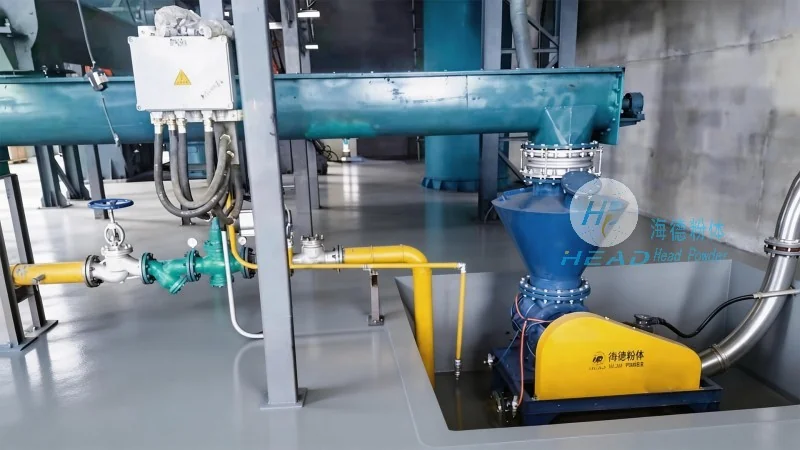
Positive Pressure Air-Driven Conveying
Positive pressure systems operate by blowing compressed air into the conveying line, which propels the material forward. The material is typically fed into the system at the inlet, where it is mixed with the air stream and carried to the discharge point. This method is ideal for applications where the material needs to be transported over long distances or to multiple destinations. Positive pressure systems are also suitable for materials that are sensitive to moisture or air exposure, as the system is sealed and prevents external contamination. For anhydrous sodium sulfate, positive pressure conveying ensures that the material remains dry and free from moisture absorption, which is crucial for maintaining its chemical properties and usability in downstream processes.
Negative Pressure Air-Driven Conveying
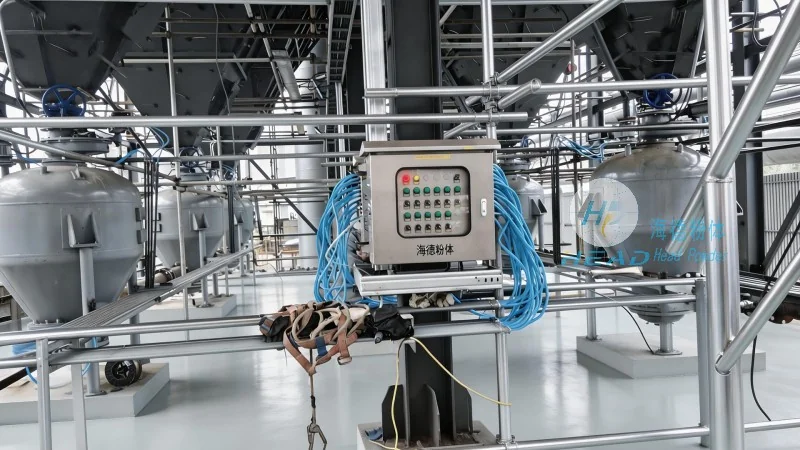
Negative pressure systems, also known as vacuum conveyors, operate by creating a vacuum in the conveying line, which draws the material into the system. The material is fed into the inlet, where it is pulled by the vacuum and transported to the discharge point. This method is commonly used for short to medium distance conveying and for handling materials that are light or have low bulk density. Negative pressure systems are particularly effective for anhydrous sodium sulfate when the material needs to be collected from multiple points or when the discharge point is at a lower elevation than the inlet. The vacuum created in the system helps to prevent dust emissions and ensures that the material is conveyed in a controlled manner, minimizing the risk of product loss or contamination.
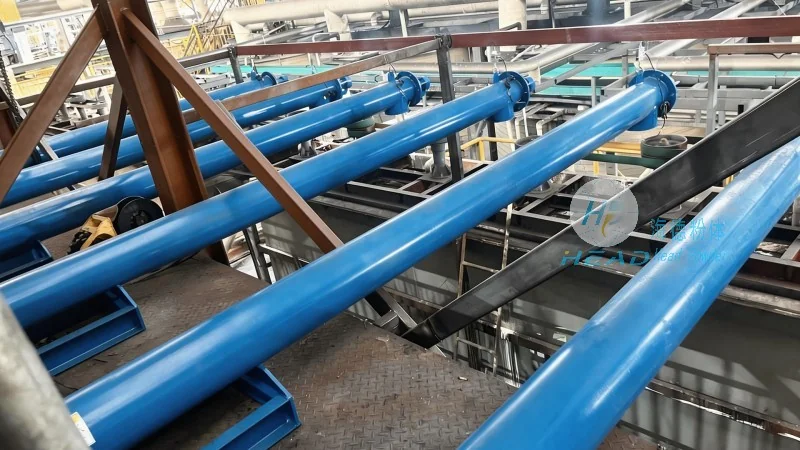
Key Considerations for Air-Driven Conveying of Anhydrous Sodium Sulfate
When implementing air-driven conveying systems for anhydrous sodium sulfate, several factors must be considered to ensure optimal performance and product quality. First, the particle size and bulk density of the material play a critical role in determining the appropriate conveying velocity and system design. Fine particles like anhydrous sodium sulfate require higher air velocities to prevent clogging and ensure smooth transport. Second, the system's capacity and flow rate must be matched to the production requirements to avoid bottlenecks or underutilization of equipment. Third, the material's hygroscopic nature necessitates proper sealing and moisture control measures to prevent moisture absorption during transport. Finally, the system's maintenance and cleaning procedures are essential to prevent material buildup and ensure long-term operational efficiency.
HeadPowder's Expertise in Anhydrous Sodium Sulfate Conveying Solutions
Shandong HeadPowder Engineering Co., Ltd., based in China, is a trusted provider of air-driven conveying systems tailored to the specific needs of anhydrous sodium sulfate applications. The company specializes in designing and manufacturing customized conveying solutions that address the unique challenges of handling fine powders. With years of experience in the industry, HeadPowder has developed a range of air-driven systems, including positive and negative pressure conveyors, that are engineered to deliver reliable and efficient performance. The company's solutions are designed to maintain product integrity, minimize dust emissions, and ensure compliance with industry standards and regulations. Whether for short-distance or long-distance conveying, HeadPowder's air-driven systems provide a cost-effective and sustainable solution for transporting anhydrous sodium sulfate in various industrial applications.

 Shandong Headpowder Engineering Co., Ltd.
 156-6277-7102(Quản lý Trương)
  0531-83386006
  Thành phố Tế Nam, Tỉnh Sơn Đông, Trung Quốc
Điện thoại
WeChatTư vấn
Lên đầu