Chuyên sâu trong lĩnh vực vật liệu rời công nghiệp, cung cấp giải pháp môi trường thông minh tích hợp cho phối trộn tự động, cấp liệu tập trung, khử lưu huỳnh và khử nitơ khô!
When it comes to handling calcium hydroxide powder, selecting the right conveying method is crucial for efficiency and safety. As a leading provider in the industry, Shandong HeadPowder Engineering Co., Ltd., commonly known as headpowder, specializes in solutions tailored to the unique challenges of calcium hydroxide powder transport. This article explores the common methods used for calcium hydroxide powder conveyance, with a focus on the advantages of pneumatic conveying systems.
Understanding Calcium Hydroxide Powder and Its Conveying Challenges
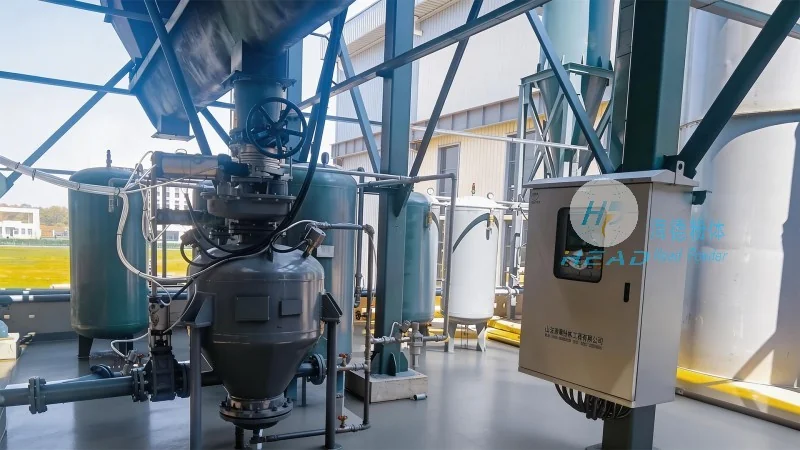
Calcium hydroxide, also known as slaked lime, is a fine powder with specific properties that impact its handling. Its relatively high moisture content, hygroscopic nature, and potential for dust generation require specialized equipment to ensure safe and efficient transport. Traditional methods like manual handling or simple mechanical conveyors often fall short in meeting these demands, leading to issues such as material degradation, equipment wear, and safety hazards. Recognizing these challenges, companies like headpowder have developed advanced solutions to optimize the conveying process.
Overview of Common Conveying Methods for Calcium Hydroxide Powder

Several methods are employed for calcium hydroxide powder transport, each with its own set of advantages and limitations. The most common approaches include mechanical conveyors, such as screw conveyors and belt conveyors, which are widely used for bulk material handling. However, these systems may struggle with the fine particle size and dust characteristics of calcium hydroxide, leading to clogging and reduced efficiency. Another traditional method is the use of pneumatic conveying, which uses air to transport the powder through pipelines. While pneumatic systems have been in use for decades, modern advancements have significantly improved their performance and reliability.
Pneumatic Conveying: The Preferred Solution for Calcium Hydroxide Powder
Among the various conveying methods, pneumatic conveying stands out as the most effective solution for calcium hydroxide powder. This technology involves the use of air or other gases to transport the powder through a network of pipes. The system typically consists of a blower, a hopper for material storage, and a series of pipes that direct the powder to its destination. Pneumatic conveying offers several key benefits that make it ideal for calcium hydroxide transport:
Firstly, it provides a dust-free environment, which is critical for maintaining product quality and ensuring workplace safety. Unlike mechanical conveyors, which can generate significant dust, pneumatic systems contain the powder within the pipeline, reducing the risk of exposure to airborne particles. Secondly, pneumatic conveying is highly flexible, allowing for the transport of materials over long distances and through complex layouts. This flexibility is particularly valuable in industrial settings where space constraints or multiple processing stages are present. Thirdly, the system is capable of handling a wide range of powder characteristics, including varying particle sizes and moisture content, without the need for extensive modifications. This adaptability makes it suitable for diverse applications, from small-scale laboratory use to large-scale industrial production.
Key Components and Design Considerations for Pneumatic Conveying Systems
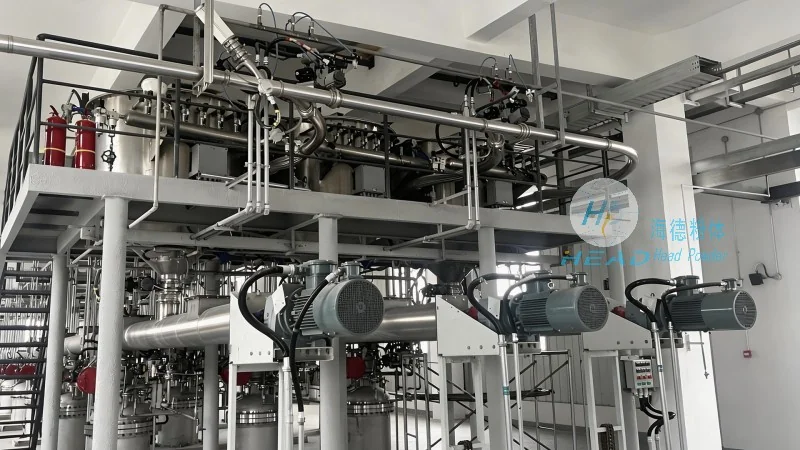
For effective calcium hydroxide powder transport, a well-designed pneumatic conveying system must incorporate several critical components. The blower or compressor is the heart of the system, providing the necessary air pressure to move the powder. The choice of blower type, such as rotary lobe or centrifugal, depends on factors like the material's properties and the required flow rate. The hopper or feeder is another essential component, as it ensures a consistent and controlled feed of the powder into the system. Proper design of the hopper, including features like aeration and vibration, helps prevent material bridging and ensures smooth operation. Additionally, the pipeline system must be constructed from materials that are resistant to corrosion and wear, as calcium hydroxide can be abrasive and may cause damage to standard metal pipes over time. Common materials used include stainless steel, polyethylene, or specialized coatings that enhance durability.
Advantages of Choosing HeadPowder for Calcium Hydroxide Conveying Solutions
As a trusted provider, Shandong HeadPowder Engineering Co., Ltd. offers comprehensive solutions for calcium hydroxide powder conveying. With years of experience in the industry, headpowder understands the unique demands of handling this material and provides tailored systems that meet specific operational requirements. The company's expertise lies in designing and manufacturing custom pneumatic conveying systems that optimize efficiency, reduce downtime, and enhance safety. By leveraging advanced technology and engineering knowledge, headpowder ensures that its clients receive reliable and durable equipment that delivers consistent performance. The company's commitment to quality and customer satisfaction has made it a preferred choice for businesses seeking effective calcium hydroxide powder transport solutions.
Conclusion: Selecting the Right Conveying Method for Calcium Hydroxide Powder
In conclusion, the choice of conveying method for calcium hydroxide powder significantly impacts operational efficiency and safety. While traditional methods like mechanical conveyors have their place, pneumatic conveying offers superior performance and flexibility. By understanding the challenges associated with calcium hydroxide powder and selecting the appropriate system, businesses can enhance their production processes and ensure the quality of their final products. For those in need of reliable calcium hydroxide powder conveying solutions, Shandong HeadPowder Engineering Co., Ltd. provides expert guidance and customized systems that meet the highest standards of performance and safety.

 Shandong Headpowder Engineering Co., Ltd.
 156-6277-7102(Quản lý Trương)
  0531-83386006
  Thành phố Tế Nam, Tỉnh Sơn Đông, Trung Quốc
Điện thoại
WeChatTư vấn
Lên đầu