Chuyên sâu trong lĩnh vực vật liệu rời công nghiệp, cung cấp giải pháp môi trường thông minh tích hợp cho phối trộn tự động, cấp liệu tập trung, khử lưu huỳnh và khử nitơ khô!
When it comes to the efficient and reliable transport of glass raw materials, selecting the right conveying method is crucial for maintaining production quality and minimizing operational costs. Various technologies are available, each with its own advantages and applications. This article provides an overview of common glass raw material conveying methods, with a specific focus on pneumatic conveying systems, which are widely used in the glass manufacturing industry. The insights shared here are based on the expertise of Shandong HeadPowder Engineering Co., Ltd., a leading provider of material handling solutions in China.
Understanding Glass Raw Material Conveying
Glass raw materials, such as silica sand, soda ash, limestone, and other additives, need to be transported from storage to processing units in a manner that preserves their quality and ensures consistent flow. Traditional methods like bucket elevators, belt conveyors, and screw conveyors have been used for decades, but modern industrial applications increasingly favor pneumatic conveying due to its flexibility and ability to handle a wide range of materials. The choice of conveying system directly impacts production efficiency, material integrity, and overall operational costs.
Pneumatic Conveying Systems for Glass Raw Materials
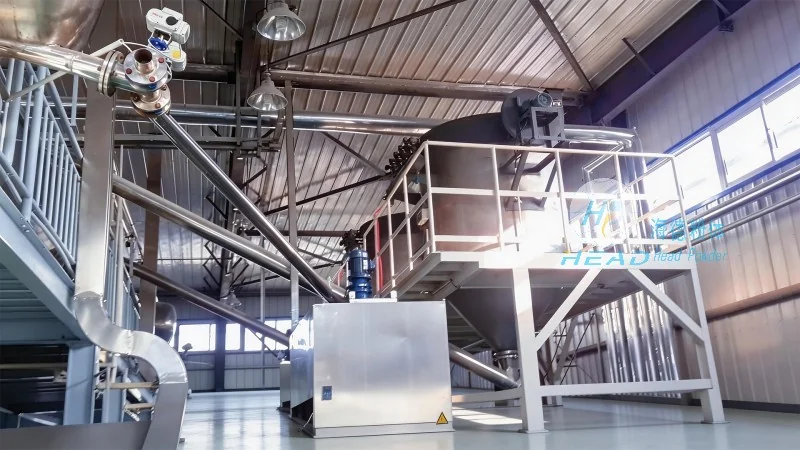
Pneumatic conveying, also known as air conveying, utilizes compressed air or gas to move bulk materials through a pipeline system. This method is particularly effective for glass raw materials because it can handle fine powders and granules without causing dust or contamination. The system typically consists of a hopper, a feeder, a conveying line, and a receiver, with options for vacuum or pressure operation depending on the application. Pneumatic systems are especially valuable in glass manufacturing where material purity and consistent flow are paramount.

One of the key advantages of pneumatic conveying is its ability to transport materials over long distances while maintaining product integrity. This is achieved through the use of appropriate air velocities and pipeline designs that prevent material degradation or caking. For example, in the production of flat glass or container glass, pneumatic systems can efficiently move raw materials from silos to the furnace, ensuring a steady supply without the need for manual handling. The enclosed nature of the system also helps maintain material cleanliness, which is critical for high-quality glass production.
Key Components of Pneumatic Conveying for Glass
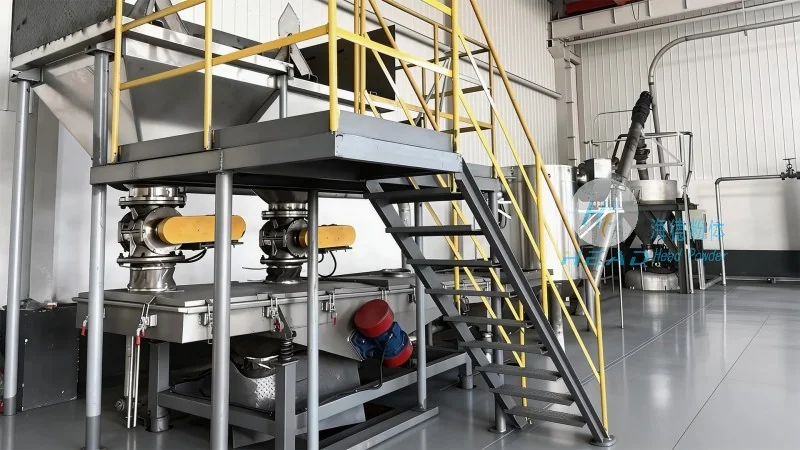
The effectiveness of a pneumatic conveying system for glass raw materials depends on several critical components. The hopper is designed to store and feed the material into the system, often equipped with a rotary valve or screw feeder to control the flow rate. The conveying line, made of materials resistant to corrosion and abrasion, such as stainless steel or plastic, is essential for preventing material buildup and ensuring smooth transport. The receiver, where the material is deposited, may include a dust collection system to maintain air quality and prevent environmental contamination.
Another important aspect is the air handling unit, which provides the necessary pressure or vacuum to move the material. This unit typically includes a blower or vacuum pump, filters to remove particulates from the air, and pressure regulators to maintain consistent performance. The choice of air velocity is critical; too low, and the material may settle in the line, while too high can cause excessive wear on the system components. Proper design and maintenance of these components are essential for optimal system performance.
Applications and Benefits in Glass Manufacturing

Pneumatic conveying is widely adopted in various stages of glass production. In the raw material preparation phase, it can transport silica sand from storage silos to grinding and mixing units. During the batch preparation process, it efficiently moves the mixed batch to the furnace, ensuring uniform composition. Even in post-processing, such as the transport of recycled glass or additives, pneumatic systems offer a clean and efficient solution.
The benefits of pneumatic conveying extend beyond material transport. It reduces labor costs by eliminating the need for manual handling and reduces the risk of dust exposure, improving workplace safety. Additionally, the enclosed system minimizes environmental impact by containing dust and preventing material loss. For glass manufacturers, this translates to higher productivity, lower maintenance costs, and improved product quality. The flexibility of pneumatic systems also allows for easy integration with existing production lines, making them a practical choice for both new and retrofit applications.
Conclusion
Choosing the right conveying method for glass raw materials is a critical decision that impacts the overall efficiency and profitability of a glass manufacturing operation. While traditional methods have their place, pneumatic conveying systems offer significant advantages in terms of flexibility, material handling, and operational efficiency. By understanding the components and applications of these systems, glass manufacturers can select the most suitable solution to meet their specific production needs. As the glass industry continues to evolve, the adoption of advanced conveying technologies like pneumatic systems will remain essential for maintaining competitiveness and ensuring high-quality glass production. Shandong HeadPowder Engineering Co., Ltd. remains committed to providing innovative and reliable material handling solutions to support the glass manufacturing sector in China and beyond.

 Shandong Headpowder Engineering Co., Ltd.
 156-6277-7102(Quản lý Trương)
  0531-83386006
  Thành phố Tế Nam, Tỉnh Sơn Đông, Trung Quốc
Điện thoại
WeChatTư vấn
Lên đầu