Chuyên sâu trong lĩnh vực vật liệu rời công nghiệp, cung cấp giải pháp môi trường thông minh tích hợp cho phối trộn tự động, cấp liệu tập trung, khử lưu huỳnh và khử nitơ khô!
When it comes to handling epoxy resin, selecting the right conveying method is crucial for efficiency and safety in industrial applications. Epoxy resin, known for its high viscosity and chemical properties, requires specialized equipment to ensure smooth and reliable transport. This article explores common epoxy resin conveying methods, with a focus on the advantages and practical applications of pneumatic conveying systems.
Understanding Epoxy Resin and Conveying Challenges

Epoxy resin is a thermosetting polymer widely used in coatings, adhesives, and composites due to its excellent bonding and durability. However, its high viscosity and potential for caking or agglomeration make traditional bulk handling methods less effective. Conventional methods like belt conveyors or screw conveyors may struggle with the material's flow characteristics, leading to blockages, uneven distribution, or increased wear on equipment. Therefore, specialized conveying solutions are often necessary to maintain productivity and product integrity.
Pneumatic Conveying: A Preferred Solution for Epoxy Resin Transport

Among the various conveying techniques, pneumatic conveying stands out as a highly effective method for epoxy resin. This technology uses air or gas to transport the material through a pipeline system, eliminating the need for mechanical components that could cause contamination or damage to the resin. Pneumatic systems are particularly suitable for epoxy resin because they can handle the material's high viscosity and prevent agglomeration during transport. The process involves feeding the resin into a hopper, where it is mixed with air under controlled pressure, and then conveyed through a network of pipes to the destination point, such as a mixing tank or storage silo.
Key Advantages of Epoxy Resin Pneumatic Conveying
One of the primary benefits of pneumatic conveying for epoxy resin is its ability to maintain product purity and quality. Unlike mechanical conveyors that may introduce contaminants or cause particle degradation, pneumatic systems keep the resin in a closed environment, reducing exposure to air and moisture. This is critical for epoxy resin, which can cure or react with external elements if not handled properly. Additionally, pneumatic conveying offers greater flexibility in system design, allowing for complex layouts and multiple transfer points without the need for extensive reconfiguration. The system can be easily scaled to accommodate varying production volumes, making it adaptable to both small-scale and large-scale operations.
Components and Operation of Pneumatic Conveying Systems
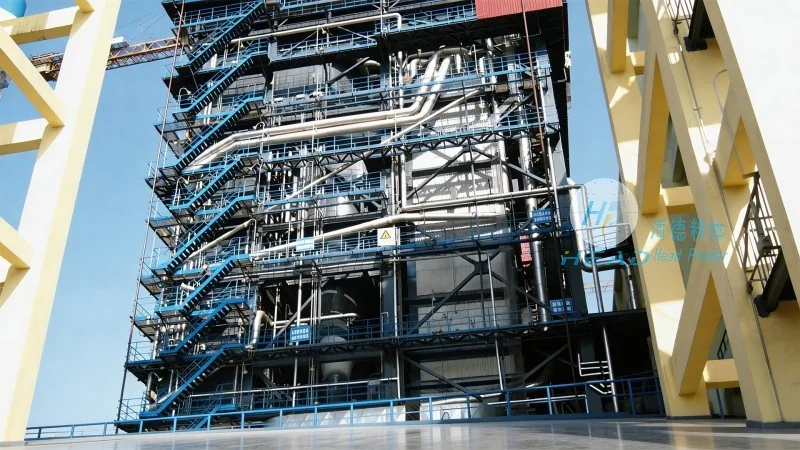
A typical pneumatic conveying system for epoxy resin consists of several key components. These include a hopper or feeder to introduce the resin into the system, a blower or compressor to generate the air flow, a pipeline network to transport the material, and a receiver or silo to store the delivered resin. The system operates by creating a pressure differential between the inlet and outlet, which draws the resin into the air stream. The air velocity is carefully controlled to ensure the resin particles are fully suspended and transported without settling or clogging the pipes. This requires precise engineering to match the material's properties with the system's air flow rate and pressure.
Applications and Industries Using Epoxy Resin Pneumatic Conveying
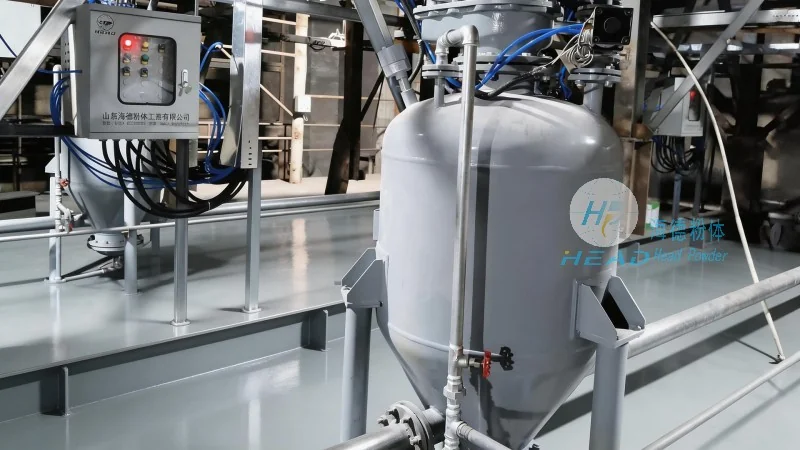
Epoxy resin pneumatic conveying is widely adopted in industries that rely on consistent and high-quality resin supply. In the coatings industry, for example, manufacturers use pneumatic systems to transport epoxy resin from storage to mixing and application equipment, ensuring uniform material distribution and reducing downtime. Similarly, in the construction sector, epoxy resin is used for flooring and structural applications, and pneumatic conveying helps deliver the material to job sites efficiently. Other industries, such as aerospace and automotive, also benefit from this technology when handling epoxy-based adhesives or composites, where precision and reliability are paramount.
Conclusion: Choosing the Right Conveying Method for Epoxy Resin
For industrial applications involving epoxy resin, selecting an appropriate conveying method is essential to optimize performance and maintain product quality. While various options exist, pneumatic conveying offers significant advantages in terms of efficiency, flexibility, and product protection. By understanding the material's characteristics and the capabilities of different conveying systems, manufacturers can make informed decisions that enhance their operational efficiency and ensure consistent output. As a leading provider of engineering solutions, Shandong HeadPowder Engineering Co., Ltd. specializes in designing and implementing customized pneumatic conveying systems tailored to the specific needs of epoxy resin handling, ensuring reliable and effective transport in various industrial settings.

 Shandong Headpowder Engineering Co., Ltd.
 156-6277-7102(Quản lý Trương)
  0531-83386006
  Thành phố Tế Nam, Tỉnh Sơn Đông, Trung Quốc
Điện thoại
WeChatTư vấn
Lên đầu