Chuyên sâu trong lĩnh vực vật liệu rời công nghiệp, cung cấp giải pháp môi trường thông minh tích hợp cho phối trộn tự động, cấp liệu tập trung, khử lưu huỳnh và khử nitơ khô!
HeadPowder, a leading engineering firm based in Shandong, China, specializes in dust handling and material transport solutions. The company's expertise lies in providing efficient and reliable systems for various industrial applications, ensuring safe and effective dust conveyance. Understanding the different methods of dust transport is crucial for industries dealing with powders, as the choice of system directly impacts operational efficiency, cost, and safety.
Overview of Common Dust Conveying Methods
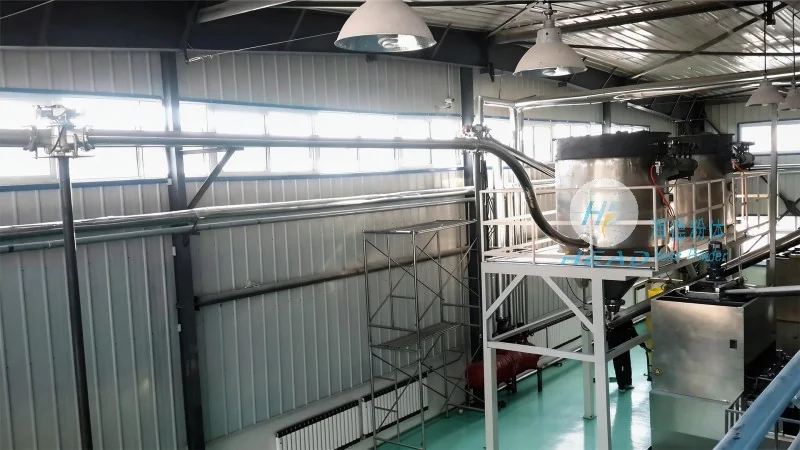
There are several conventional methods used for transporting dust and powders in industrial settings. These methods vary in terms of their mechanism, application, and suitability for different materials and operational conditions. The primary categories include mechanical conveyors, pneumatic systems, and hybrid solutions. Each method has its own advantages and limitations, making the selection process critical for optimizing production processes.
Pneumatic Conveying: A Detailed Overview

Pneumatic conveying, also known as dust air conveying, is a widely used technique for transporting dry powders and granular materials. This method utilizes compressed air to move material through a pipeline system. There are two main types of pneumatic conveying: pressure and vacuum systems. Pressure systems operate by blowing air into a sealed pipeline, pushing the material forward, while vacuum systems draw material into a pipeline using a vacuum source.
HeadPowder's pneumatic conveying systems are designed to handle a wide range of dust types, from fine powders to bulk materials. The company's solutions are engineered to ensure minimal product degradation, low maintenance costs, and high throughput. Key components of a pneumatic conveying system include the air compressor, material feeders, pipelines, and dust collection units. Proper design and installation of these components are essential for achieving optimal performance and preventing system failures.
Advantages of Pneumatic Conveying
One of the significant advantages of pneumatic conveying is its ability to transport materials over long distances without the need for multiple transfer points. This reduces the risk of material spillage and contamination, which is particularly important for high-value or sensitive powders. Additionally, pneumatic systems can handle materials that are difficult to convey using mechanical methods, such as abrasive or corrosive powders. The flexibility of pneumatic conveying allows for easy integration with existing production lines, enabling seamless material flow from storage to processing units.
Considerations for Selecting a Dust Conveying System
When choosing a dust conveying system, several factors must be considered to ensure the best fit for a specific application. The first consideration is the material properties, including particle size, density, and flowability. These characteristics determine the type of conveying system that is most suitable. For example, fine powders with low flowability may require a pressure system with a higher air pressure to ensure consistent transport. Another critical factor is the distance and layout of the conveying route. Longer distances may necessitate the use of booster pumps or larger pipelines to maintain material velocity and prevent settling.
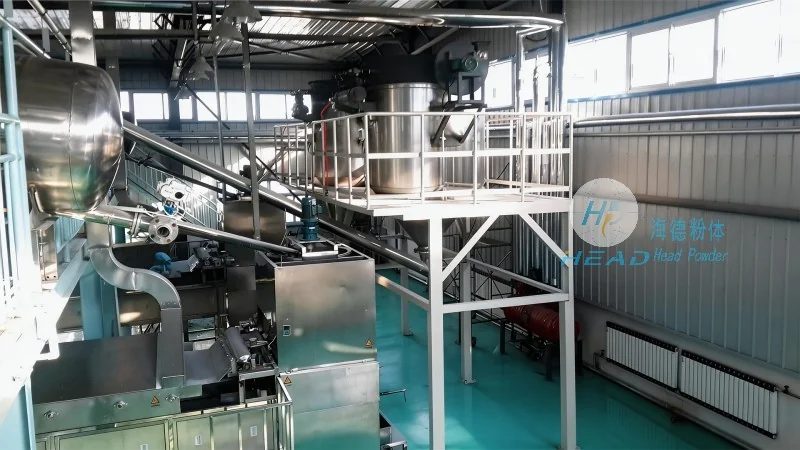
Cost is also a significant factor in system selection. While pneumatic systems may have higher initial investment costs compared to mechanical conveyors, they often offer lower long-term maintenance and operational costs. The reduced need for manual handling and lower risk of material loss can lead to substantial savings over time. Safety is another key consideration, especially when dealing with potentially hazardous dusts. Pneumatic systems can be designed with explosion-proof components and proper ventilation to minimize the risk of dust explosions and inhalation hazards.
HeadPowder's Expertise in Dust Conveying Solutions
HeadPowder Engineering Co., Ltd., based in Shandong, China, is a trusted provider of dust conveying systems tailored to meet the diverse needs of industrial clients. The company's team of engineers and technicians has extensive experience in designing, manufacturing, and installing pneumatic and other dust transport solutions. HeadPowder's approach is customer-centric, focusing on understanding the unique challenges of each application and providing customized solutions that enhance operational efficiency and safety.
The company's dust conveying systems are built with high-quality materials and advanced technology to ensure durability and reliability. Each system is rigorously tested and validated to meet industry standards and client requirements. HeadPowder also offers comprehensive after-sales support, including maintenance services, spare parts supply, and technical assistance. This commitment to customer satisfaction has made HeadPowder a preferred partner for many industries, including pharmaceuticals, food processing, and chemical manufacturing.

 Shandong Headpowder Engineering Co., Ltd.
 156-6277-7102(Quản lý Trương)
  0531-83386006
  Thành phố Tế Nam, Tỉnh Sơn Đông, Trung Quốc
Điện thoại
WeChatTư vấn
Lên đầu