Chuyên sâu trong lĩnh vực vật liệu rời công nghiệp, cung cấp giải pháp môi trường thông minh tích hợp cho phối trộn tự động, cấp liệu tập trung, khử lưu huỳnh và khử nitơ khô!
Graphene, a two-dimensional material with exceptional mechanical, electrical, and thermal properties, is increasingly used in various industrial applications. Efficient and reliable conveying methods are crucial for handling this material, especially when dealing with its fine and lightweight nature. Among the various options available, pneumatic conveying stands out as a preferred method for transporting graphene due to its unique advantages and features.

Introduction to Graphene Conveying Methods
Graphene, a single layer of carbon atoms arranged in a hexagonal lattice, presents unique challenges in material handling. Its high surface area and low bulk density make traditional bulk material handling equipment less effective. Consequently, specialized conveying systems are required to ensure safe and efficient transport. Pneumatic conveying, which uses air or other gases to move material through a pipeline, has become a leading solution for graphene transport. This method offers several benefits that address the specific characteristics of graphene, making it suitable for industrial applications.
Pneumatic Conveying: A Preferred Method for Graphene Transport
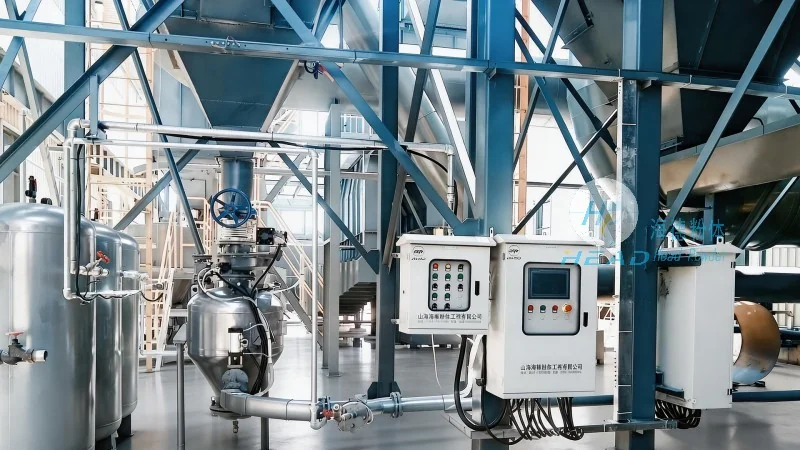
HeadPowder, a leading provider of material handling solutions, specializes in developing advanced pneumatic conveying systems tailored for graphene. The company, based in Shandong, China, leverages its expertise to design systems that optimize the transport of graphene while maintaining its integrity and quality. Pneumatic conveying for graphene involves the use of air to create a flow that transports the material through a pipeline. This method eliminates the need for mechanical components that could potentially damage the delicate graphene sheets, ensuring that the material remains in its optimal condition throughout the conveying process.
Key Advantages of Pneumatic Conveying for Graphene
One of the primary advantages of pneumatic conveying for graphene is its ability to handle fine powders without causing agglomeration or degradation. Graphene's low bulk density and high surface area make it prone to sticking and clumping, which can hinder the conveying process. Pneumatic systems use controlled air pressure and flow rates to maintain the material in a suspended state, preventing these issues. Additionally, this method allows for the transport of graphene over long distances without the need for multiple transfer points, reducing the risk of contamination and material loss.
Features of Pneumatic Conveying Systems for Graphene
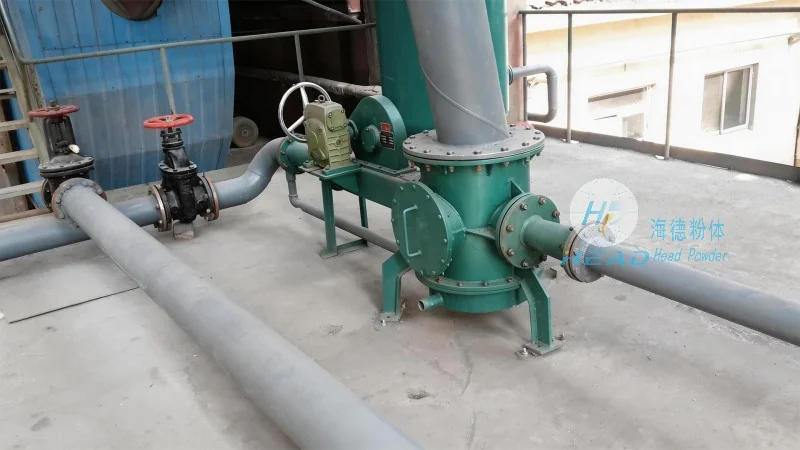
HeadPowder's pneumatic conveying systems for graphene are designed with several key features that enhance performance and reliability. These systems typically include high-efficiency air movers, specialized pipelines with smooth inner surfaces to minimize friction and material buildup, and advanced control systems that regulate air pressure and flow. The use of positive pressure or negative pressure (vacuum) systems can be tailored to the specific requirements of the application, ensuring optimal conveying efficiency. Furthermore, the systems are equipped with filtration and cleaning mechanisms to maintain air quality and prevent contamination of the graphene material.
Applications and Industries Benefiting from Graphene Pneumatic Conveying
The advantages of pneumatic conveying for graphene make it suitable for a wide range of applications across various industries. In the electronics industry, graphene is used in flexible displays and sensors, and efficient conveying ensures that the material is delivered to production lines without degradation. The automotive industry benefits from graphene's use in lightweight composites, where consistent material quality is critical for product performance. Additionally, in the energy sector, graphene is used in batteries and supercapacitors, and reliable conveying systems help maintain the material's properties for high-performance applications. HeadPowder's systems are adaptable to these diverse applications, providing customized solutions that meet the specific needs of each industry.
Conclusion: The Role of Pneumatic Conveying in Graphene Handling
In conclusion, pneumatic conveying is a highly effective method for transporting graphene, offering significant advantages over traditional material handling techniques. The ability to handle fine powders, maintain material integrity, and transport over long distances makes it an ideal solution for industrial applications. HeadPowder, with its expertise and advanced systems, plays a crucial role in providing reliable graphene conveying solutions. By leveraging pneumatic conveying technology, industries can ensure the efficient and safe handling of graphene, supporting the growth and application of this innovative material. The continued development and refinement of pneumatic conveying systems will further enhance the potential of graphene in various sectors, driving innovation and progress.

 Shandong Headpowder Engineering Co., Ltd.
 156-6277-7102(Quản lý Trương)
  0531-83386006
  Thành phố Tế Nam, Tỉnh Sơn Đông, Trung Quốc
Điện thoại
WeChatTư vấn
Lên đầu