Chuyên sâu trong lĩnh vực vật liệu rời công nghiệp, cung cấp giải pháp môi trường thông minh tích hợp cho phối trộn tự động, cấp liệu tập trung, khử lưu huỳnh và khử nitơ khô!
When it comes to transporting bead sand, selecting the right delivery method is crucial for efficiency and effectiveness in industrial applications. Bead sand, a key material in various manufacturing processes, requires reliable and efficient transport solutions to ensure smooth operations. This article explores the different delivery methods available for bead sand, with a particular focus on the advantages and features of pneumatic conveying systems. HeadPowder, a leading provider of bead sand handling solutions, specializes in designing and manufacturing advanced pneumatic conveying systems tailored to the needs of the bead sand industry. With years of experience and a commitment to quality, HeadPowder has become a trusted partner for businesses seeking reliable and efficient bead sand transport solutions.
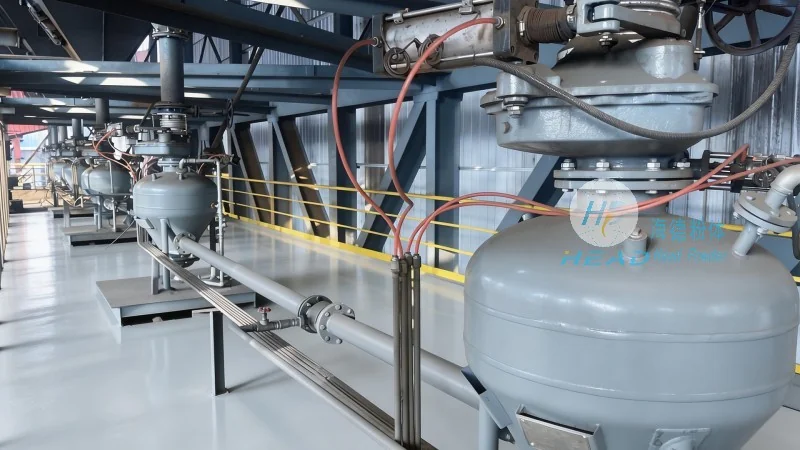
Overview of Bead Sand Delivery Methods
There are several common methods used for transporting bead sand, each with its own set of characteristics and applications. Traditional methods such as belt conveyors, screw conveyors, and bucket elevators have been widely used in the industry. However, these methods may face challenges when dealing with fine or abrasive materials like bead sand, which can lead to issues like material degradation, increased maintenance, and lower throughput. In contrast, pneumatic conveying offers a more advanced and efficient solution for bead sand transport.

Pneumatic Conveying: The Preferred Method for Bead Sand Transport
Pneumatic conveying, also known as air conveying, is a technology that uses compressed air to move materials through a pipeline system. This method is particularly well-suited for bead sand due to its ability to handle fine particles, abrasive materials, and even dusty environments without causing damage or contamination. The process involves creating a flow of air within the pipeline, which lifts and transports the bead sand from the source to the destination. This approach eliminates the need for mechanical components that come into direct contact with the material, reducing wear and tear and extending the lifespan of the equipment.
Key Advantages of Pneumatic Conveying for Bead Sand
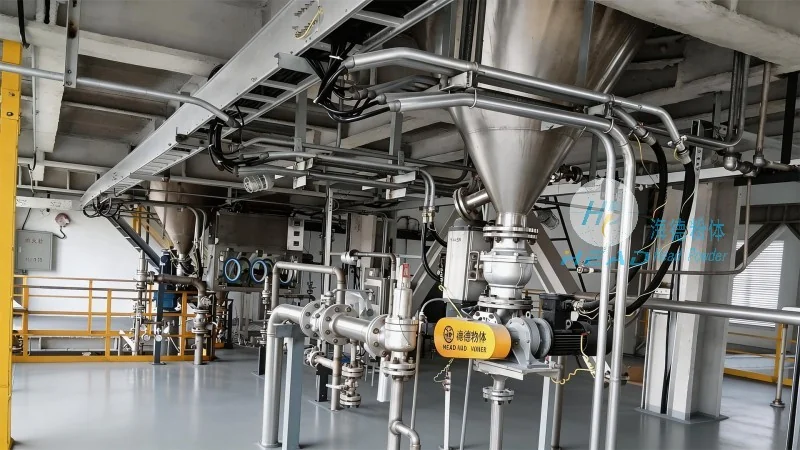
One of the primary advantages of pneumatic conveying for bead sand is its high efficiency in material handling. The system can transport bead sand over long distances with minimal loss and high throughput, making it ideal for large-scale industrial operations. Additionally, pneumatic conveying is highly flexible, allowing for changes in the transport route or destination without significant modifications to the system. This flexibility is particularly valuable in dynamic manufacturing environments where production needs may change frequently.
Another significant advantage is the reduced risk of material contamination. Since the conveying process is enclosed within a pipeline system, there is minimal exposure to external elements, ensuring that the bead sand remains clean and free from impurities. This is especially important in applications where the quality of the bead sand directly impacts the final product, such as in foundry or abrasive blasting processes. Furthermore, pneumatic conveying systems are relatively easy to maintain and operate, with fewer moving parts compared to traditional mechanical conveyors, leading to lower maintenance costs and downtime.
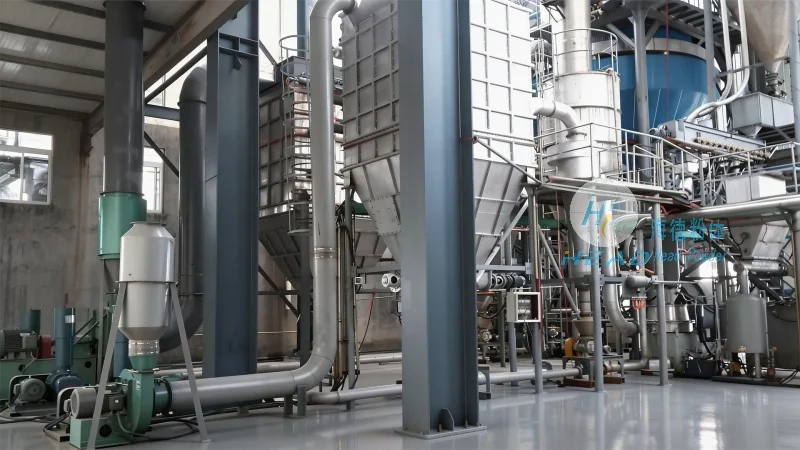
Features of Pneumatic Conveying Systems for Bead Sand
Modern pneumatic conveying systems for bead sand are equipped with advanced features that enhance their performance and reliability. These systems often include components such as rotary airlocks, which control the flow of material into the pipeline, and cyclone separators, which separate the bead sand from the air stream at the destination. The use of high-quality materials, such as stainless steel or special alloys, ensures that the system can withstand the abrasive nature of bead sand without corrosion or wear. Additionally, many systems are designed with energy-efficient features, such as variable speed drives, to optimize air consumption and reduce operational costs.
Conclusion
In conclusion, pneumatic conveying is a superior method for transporting bead sand compared to traditional mechanical systems. Its efficiency, flexibility, and ability to handle fine and abrasive materials make it an ideal choice for industrial applications. By leveraging the advantages of pneumatic conveying, manufacturers can improve their production processes, reduce costs, and enhance the quality of their bead sand products. As the demand for efficient material handling solutions continues to grow, pneumatic conveying is likely to remain a key technology in the bead sand industry.

 Shandong Headpowder Engineering Co., Ltd.
 156-6277-7102(Quản lý Trương)
  0531-83386006
  Thành phố Tế Nam, Tỉnh Sơn Đông, Trung Quốc
Điện thoại
WeChatTư vấn
Lên đầu