Chuyên sâu trong lĩnh vực vật liệu rời công nghiệp, cung cấp giải pháp môi trường thông minh tích hợp cho phối trộn tự động, cấp liệu tập trung, khử lưu huỳnh và khử nitơ khô!
Carbon material handling and transportation is a critical process in various industrial applications, particularly in the production and processing of carbon-based materials. The choice of conveying method significantly impacts operational efficiency, cost-effectiveness, and environmental sustainability. This article explores the primary methods of carbon material conveying, with a particular focus on the advantages and features of pneumatic conveying systems.
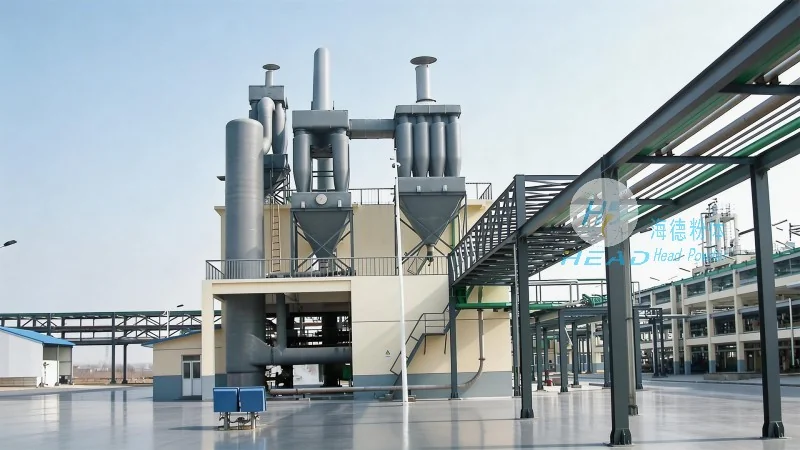
Overview of Carbon Material Conveying Methods
Carbon materials, including powders, granules, and other particulate forms, require specialized handling due to their unique physical properties such as low bulk density, electrostatic charge, and potential dust explosion risks. Traditional conveying methods like belt conveyors, screw conveyors, and bucket elevators may not be suitable for all carbon material types, especially when dealing with fine powders or materials prone to caking. Consequently, several specialized conveying techniques have been developed to address these challenges.
Pneumatic Conveying: A Preferred Solution for Carbon Materials
Among the various conveying methods, pneumatic conveying stands out as a highly effective and versatile solution for transporting carbon materials. This technology utilizes air or other gases to move material particles through a pipeline system. The process can be categorized into two main types: dilute-phase and dense-phase pneumatic conveying, each offering distinct advantages depending on the material characteristics and application requirements.
Advantages of Pneumatic Conveying for Carbon Materials

One of the key advantages of pneumatic conveying is its ability to handle fine and cohesive carbon powders without the need for mechanical components that could cause material degradation or blockages. The system operates by creating a flow of air that entrains the material particles, ensuring a smooth and continuous transport. This method is particularly beneficial for materials that are prone to dust generation or have high electrostatic charges, as the enclosed pipeline reduces exposure and minimizes the risk of dust explosions.
Another significant advantage is the high efficiency and flexibility of pneumatic conveying systems. These systems can be easily integrated into existing production lines and can transport materials over long distances with minimal energy consumption. The ability to adjust the air velocity and pressure allows for precise control over the conveying rate, ensuring that the material is delivered to the desired location without loss or degradation.
Key Features of Pneumatic Conveying Systems
Modern pneumatic conveying systems for carbon materials are equipped with advanced features that enhance performance and reliability. These include:
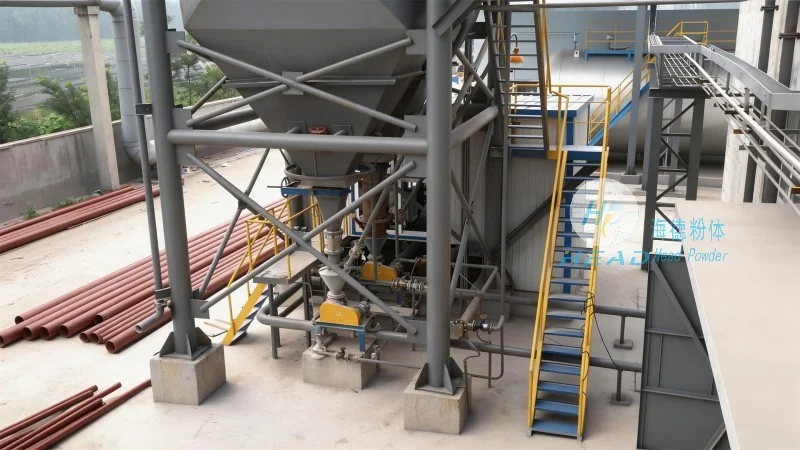
Material Compatibility: Designed to handle a wide range of carbon materials, from graphite powders to carbon black, without causing contamination or degradation.
Low Maintenance: The absence of moving parts in the conveying line reduces wear and tear, leading to lower maintenance costs and longer system lifespans.
Environmental Protection: Enclosed systems prevent dust emissions, making them compliant with environmental regulations and improving workplace safety.
Customization: Systems can be tailored to specific production requirements, including varying material flow rates, pipeline lengths, and pressure levels.
Application Examples in Carbon Material Processing
Pneumatic conveying is widely used in the carbon industry for various applications, including:
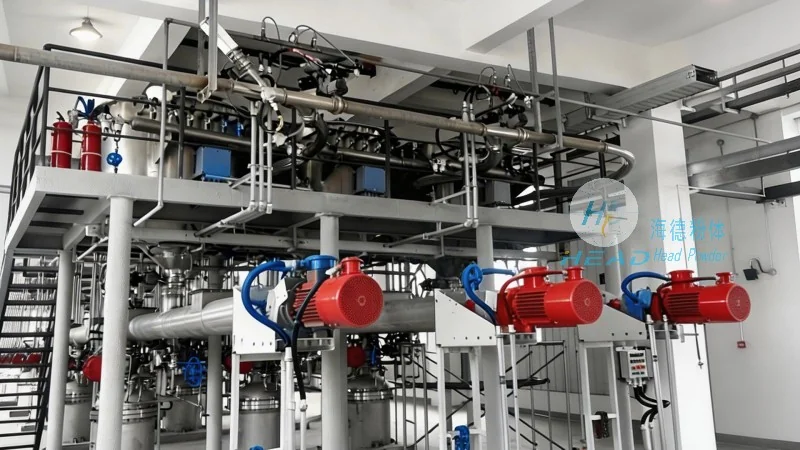
Carbon Black Production: Transporting carbon black powders from reactors to storage or processing units.
Graphite Processing: Handling fine graphite powders during grinding, classification, and packaging operations.
Carbon Fiber Handling: Conveying carbon fiber powders or short fibers in composite material manufacturing.
Refractory Material Transport: Moving carbon-based refractory powders in foundries and cement plants.
Conclusion
When selecting a conveying method for carbon materials, it is essential to consider the material's properties, operational requirements, and environmental constraints. Pneumatic conveying, as demonstrated by its advantages and features, offers a superior solution for many applications, ensuring efficient, safe, and cost-effective material transport. Companies like Shandong HeadPowder Engineering Co., Ltd., based in China, specialize in designing and manufacturing advanced pneumatic conveying systems tailored to the unique needs of the carbon industry, providing reliable solutions for modern material handling challenges.

 Shandong Headpowder Engineering Co., Ltd.
 156-6277-7102(Quản lý Trương)
  0531-83386006
  Thành phố Tế Nam, Tỉnh Sơn Đông, Trung Quốc
Điện thoại
WeChatTư vấn
Lên đầu