Chuyên sâu trong lĩnh vực vật liệu rời công nghiệp, cung cấp giải pháp môi trường thông minh tích hợp cho phối trộn tự động, cấp liệu tập trung, khử lưu huỳnh và khử nitơ khô!
When it comes to transporting fiberglass materials, selecting the right conveying method is crucial for efficiency, safety, and cost-effectiveness. Fiberglass, known for its lightweight, high-strength properties, is widely used in various industries such as construction, automotive, and aerospace. However, due to its fine particles and potential health hazards, traditional bulk material handling methods may not be suitable. This article explores the primary fiberglass conveying methods and highlights the advantages of pneumatic conveying systems, particularly from the perspective of Shandong HeadPowder Engineering Co., Ltd., a leading provider of material handling solutions in China.
Understanding Fiberglass Conveying Methods

Fiberglass is typically handled as a bulk material, and the choice of conveying method depends on factors like material characteristics, distance, and environmental requirements. The main types of fiberglass conveying include:
Mechanical Conveying: This involves using equipment like belt conveyors, screw conveyors, or chain conveyors. While effective for certain applications, mechanical systems may face challenges with fine fiberglass particles, leading to clogging, wear, and dust generation.
Pneumatic Conveying: This method uses air or gas to transport materials through a pipeline system. It is particularly suitable for fine, powdery, or dusty materials like fiberglass, offering advantages in terms of cleanliness and flexibility.
Hydraulic Conveying: Less common for fiberglass, hydraulic systems use fluid to move materials. They are generally more complex and less efficient for this type of material compared to pneumatic solutions.
The Advantages of Fiberglass Pneumatic Conveying
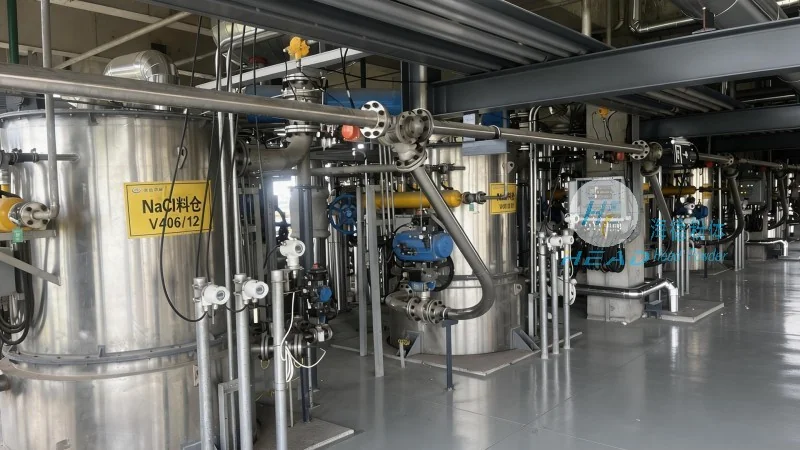
Pneumatic conveying systems, especially those designed for fiberglass, offer several key benefits that make them a preferred choice for many industries. These advantages are particularly relevant for companies like Shandong HeadPowder Engineering Co., Ltd., which specializes in customizing material handling solutions.
Efficiency and Speed: Pneumatic systems can transport fiberglass materials over long distances with minimal downtime. The use of high-pressure air or vacuum ensures rapid material movement, improving overall production throughput.
Cleanliness and Hygiene: Unlike mechanical systems that may generate dust and debris, pneumatic conveying keeps the material contained within a sealed pipeline. This reduces the risk of contamination and makes the process safer for operators and the environment.
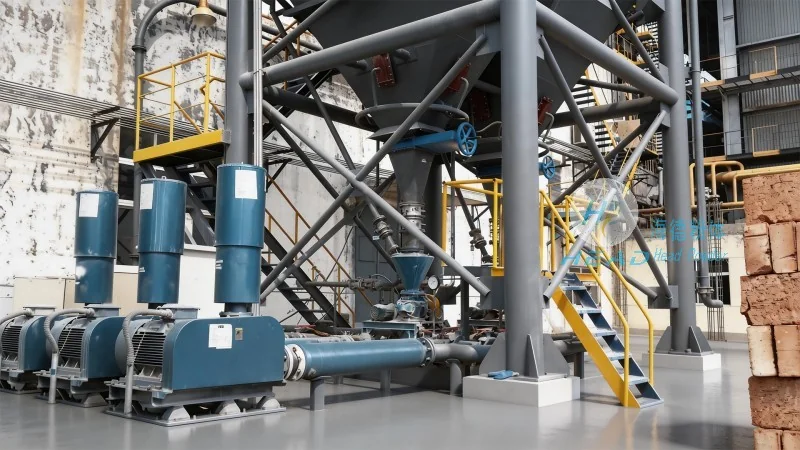
Flexibility and Scalability: Pneumatic systems can be easily reconfigured or expanded to accommodate changing production needs. The modular design allows for the addition of new conveying lines or integration with existing equipment without major disruptions.
Reduced Maintenance: With fewer moving parts compared to mechanical conveyors, pneumatic systems require less maintenance. This translates to lower operational costs and longer equipment lifespan.
Key Features of Fiberglass Pneumatic Conveying Systems
When considering a fiberglass pneumatic conveying system, several features are critical for optimal performance. These features are designed to address the unique challenges of handling fine, abrasive materials like fiberglass.

High-Pressure Air or Vacuum Operation: The system can operate under high-pressure air or vacuum conditions to ensure reliable material transport. This flexibility allows for both loading and unloading operations.
Specialized Pipeline Materials: To prevent corrosion and wear from fiberglass particles, the pipelines are typically made of materials like stainless steel or high-grade plastic. These materials are resistant to abrasion and chemical attack.
Dust Collection and Filtration: Integrated dust collection systems are essential to capture any airborne particles and ensure compliance with environmental regulations. High-efficiency filters help maintain a clean working environment.
Control Systems: Advanced control systems allow for precise regulation of air flow, pressure, and material flow. This ensures consistent performance and minimizes the risk of overloading or system failure.
Conclusion and Company Overview
Fiberglass conveying methods have evolved significantly, with pneumatic systems emerging as the most effective solution for many applications. The advantages of efficiency, cleanliness, and flexibility make them indispensable in modern manufacturing processes. Shandong HeadPowder Engineering Co., Ltd., based in Shandong, China, is a trusted partner in providing customized pneumatic conveying solutions tailored to the specific needs of fiberglass manufacturers. By leveraging advanced technology and expert engineering, the company ensures that clients achieve optimal performance and reliability in their material handling operations.

 Shandong Headpowder Engineering Co., Ltd.
 156-6277-7102(Quản lý Trương)
  0531-83386006
  Thành phố Tế Nam, Tỉnh Sơn Đông, Trung Quốc
Điện thoại
WeChatTư vấn
Lên đầu