Chuyên sâu trong lĩnh vực vật liệu rời công nghiệp, cung cấp giải pháp môi trường thông minh tích hợp cho phối trộn tự động, cấp liệu tập trung, khử lưu huỳnh và khử nitơ khô!
Microfine powder handling is a critical process in various industrial applications, and the choice of conveying method significantly impacts efficiency, safety, and product quality. Among the available options, pneumatic conveying stands out as a versatile and effective solution for transporting fine powders. This article explores the different microfine powder conveying methods and highlights the key advantages and features of pneumatic conveying systems, with insights from Shandong HeadPowder Engineering Co., Ltd., a leading provider in the field.

Overview of Microfine Powder Conveying Methods
Microfine powders, typically defined as particles with a diameter less than 100 microns, present unique challenges during transportation due to their fine size, low bulk density, and tendency to create dust. Traditional methods like belt conveyors or screw conveyors may not be suitable for such materials as they can cause segregation, agglomeration, or excessive wear. Consequently, specialized conveying systems are required to maintain the integrity and quality of the powder.
Common Conveying Techniques for Microfine Powders
Several methods are employed to transport microfine powders, each with its own set of applications and limitations. The primary categories include:
Pneumatic Conveying: Utilizes air or other gases to transport powders through a pipeline system. This method is ideal for fine powders as it minimizes particle degradation and provides a dust-free environment.
Mechanical Conveying: Involves equipment like screw conveyors, belt conveyors, or bucket elevators. While effective for some applications, they may not be suitable for very fine powders due to the risk of clogging and material degradation.
Hydraulic Conveying: Uses water or other liquids to transport powders, often in slurry form. This method is suitable for wet applications but may not be ideal for dry microfine powders.
Pneumatic Conveying: Advantages and Features
Pneumatic conveying, particularly the positive displacement and dilute phase systems, is widely regarded as the most effective method for microfine powder transport. The key advantages include:

Efficient and Gentle Handling: Pneumatic systems transport powders with minimal impact, reducing the risk of particle breakage and maintaining product quality.
Dust-Free Operation: Enclosed pipelines prevent dust emissions, ensuring a safer working environment and compliance with environmental regulations.
Flexibility in Layout: The modular design of pneumatic conveying systems allows for easy integration into existing production lines and adaptation to different plant layouts.
Reduced Maintenance: Compared to mechanical systems, pneumatic conveyors have fewer moving parts, leading to lower maintenance costs and longer service life.
Ability to Handle Hazardous Materials: Pneumatic systems can safely transport powders that are flammable, explosive, or toxic, as the enclosed environment prevents exposure to personnel and the environment.
Key Features of Pneumatic Conveying Systems
Modern pneumatic conveying systems for microfine powders incorporate several advanced features to enhance performance and reliability:
Variable Speed Control: Adjustable air flow and pressure allow for precise control over the conveying rate, ensuring optimal performance for different powder types and quantities.
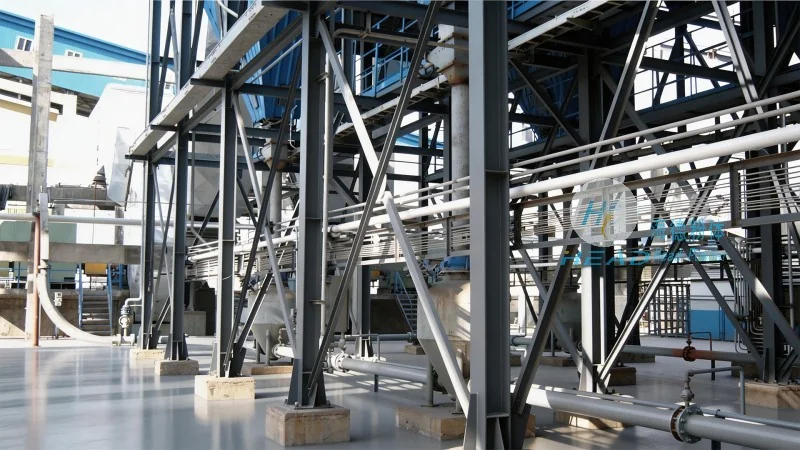
Filter and Dust Collection: Integrated filtration systems capture and collect fine particles, preventing dust accumulation and maintaining air quality.
Material Separation and Dosing: Specialized components like cyclones and rotary valves enable efficient separation of powders and accurate dosing for downstream processes.
Energy Efficiency: Advanced designs, such as energy recovery systems and optimized air flow, reduce energy consumption and operating costs.
Application Examples and Industry Impact
Pneumatic conveying systems are widely used in industries such as pharmaceuticals, food processing, chemical manufacturing, and mining. For instance, in the pharmaceutical industry, the need for sterile and dust-free environments makes pneumatic conveying essential for transporting active pharmaceutical ingredients (APIs) and other fine powders. Similarly, in the food industry, the requirement for hygienic and non-contaminating processes drives the adoption of pneumatic systems for handling spices, powders, and other food-grade materials.
Conclusion and Company Insight
Microfine powder conveying is a complex process that requires specialized equipment and expertise. Pneumatic conveying, with its numerous advantages, remains the preferred choice for many industries. Shandong HeadPowder Engineering Co., Ltd. specializes in designing and manufacturing customized pneumatic conveying systems tailored to the specific needs of microfine powder applications. With a focus on efficiency, safety, and product integrity, their solutions help clients optimize their production processes and enhance overall operational performance.

 Shandong Headpowder Engineering Co., Ltd.
 156-6277-7102(Quản lý Trương)
  0531-83386006
  Thành phố Tế Nam, Tỉnh Sơn Đông, Trung Quốc
Điện thoại
WeChatTư vấn
Lên đầu