Chuyên sâu trong lĩnh vực vật liệu rời công nghiệp, cung cấp giải pháp môi trường thông minh tích hợp cho phối trộn tự động, cấp liệu tập trung, khử lưu huỳnh và khử nitơ khô!
Silica fume, also known as microsilica, is a byproduct of silicon metal and ferrosilicon production. It is widely used in construction, refractory materials, and other industrial applications due to its high purity and unique properties. The efficient and safe transportation of silica fume from production sites to end-users is crucial for maintaining product quality and operational efficiency. Various conveying methods are employed in the industry, with pneumatic conveying being a prominent and effective approach. This article provides an overview of different silica fume conveying methods and highlights the advantages and characteristics of pneumatic conveying.
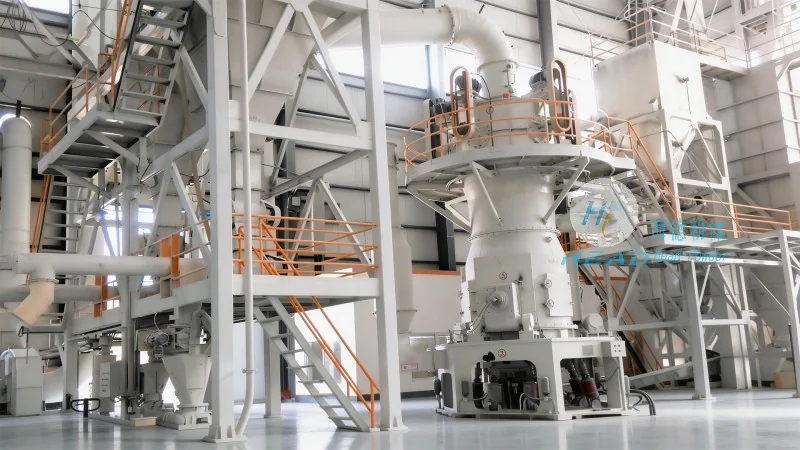
Common Silica Fume Conveying Methods
There are several conventional methods used for transporting silica fume, including mechanical conveying systems such as belt conveyors, screw conveyors, and bucket elevators. These methods are widely used in bulk material handling due to their simplicity and cost-effectiveness. However, they have limitations when dealing with fine powders like silica fume, particularly in terms of dust control, material degradation, and operational safety. Mechanical conveyors may cause particle attrition, leading to changes in the material's physical properties, and they often require additional dust suppression measures to comply with environmental regulations.
Pneumatic Conveying: The Preferred Solution for Silica Fume Transport
Pneumatic conveying, also known as air conveying, is a technology that uses compressed air to transport bulk materials through a pipeline system. It offers several advantages over traditional mechanical methods, making it the preferred choice for silica fume handling in many industrial applications. The key benefits of pneumatic conveying for silica fume include:
Efficient and Continuous Transport: Pneumatic systems can transport silica fume in a continuous, unbroken stream, minimizing material handling interruptions and improving overall production throughput.
Low Material Degradation: Unlike mechanical conveyors that may cause particle breakage, pneumatic conveying minimizes physical stress on the material, preserving its original properties and ensuring consistent quality.
Effective Dust Control: The enclosed pipeline system of pneumatic conveying significantly reduces dust emissions compared to open mechanical systems, enhancing workplace safety and compliance with environmental standards.

Flexible Layout and Scalability: Pneumatic systems can be easily integrated into existing production facilities or expanded to accommodate increased material volumes, providing flexibility in plant design and future growth.
Reduced Maintenance and Operating Costs: With fewer moving parts and minimal wear on components, pneumatic conveying systems typically require lower maintenance and operating costs over their lifespan compared to mechanical alternatives.
Key Components of a Silica Fume Pneumatic Conveying System
A typical pneumatic conveying system for silica fume consists of several key components, each playing a critical role in the efficient transport of the material. These components include:
Feeder: The feeder is responsible for feeding the silica fume into the conveying line at a controlled rate. It ensures a consistent flow of material, preventing blockages and maintaining system stability.

Compressor: The compressor generates the high-pressure air required to move the silica fume through the pipeline. The choice of compressor type (e.g., rotary lobe, screw, or centrifugal) depends on the system's capacity, pressure requirements, and operational conditions.
Pipeline: The pipeline is the main transport medium, typically made of stainless steel or other corrosion-resistant materials to withstand the abrasive nature of silica fume and prevent material buildup.
Control Valves and Regulators: These components regulate the air pressure and flow within the system, ensuring optimal performance and preventing over-pressurization or under-pressurization that could affect conveying efficiency.
Receiver or Discharge Unit: The receiver is where the transported silica fume is collected and stored. It may include features such as dust filters or cyclones to separate any entrained air from the material, ensuring a clean and dry product.

Applications of Silica Fume Pneumatic Conveying
Silica fume pneumatic conveying systems are widely used in various industrial sectors, including:
Construction Materials: In the production of high-performance concrete, refractory materials, and other building products, pneumatic conveying ensures the accurate and efficient delivery of silica fume to mixing and processing equipment.
Refractory Industries: Silica fume is used as a raw material in the manufacturing of refractory bricks and other heat-resistant products. Pneumatic conveying facilitates the transport of fine powders to production lines, maintaining product consistency and quality.
Chemical and Pharmaceutical Industries: Some chemical processes utilize silica fume as an additive or filler. Pneumatic systems provide a safe and controlled method for transporting the material to processing units, minimizing contamination risks.
Conclusion
Silica fume conveying is a critical aspect of industrial operations, and the choice of conveying method significantly impacts product quality, operational efficiency, and safety. While mechanical conveying systems have been traditionally used, pneumatic conveying has emerged as the superior solution due to its advantages in material handling, dust control, and system flexibility. Companies like Shandong HeadPowder Engineering Co., Ltd. specialize in designing and manufacturing advanced pneumatic conveying systems tailored to the specific needs of silica fume applications, ensuring reliable and efficient transport of this valuable material.

 Shandong Headpowder Engineering Co., Ltd.
 156-6277-7102(Quản lý Trương)
  0531-83386006
  Thành phố Tế Nam, Tỉnh Sơn Đông, Trung Quốc
Điện thoại
WeChatTư vấn
Lên đầu