Chuyên sâu trong lĩnh vực vật liệu rời công nghiệp, cung cấp giải pháp môi trường thông minh tích hợp cho phối trộn tự động, cấp liệu tập trung, khử lưu huỳnh và khử nitơ khô!
HeadPowder, a leading manufacturer based in Shandong, China, specializes in providing efficient and reliable solutions for the transport of lithium-ion battery positive electrode materials. This article provides a detailed comparison of common transport methods used in the industry, highlighting their advantages and disadvantages to help clients make informed decisions.
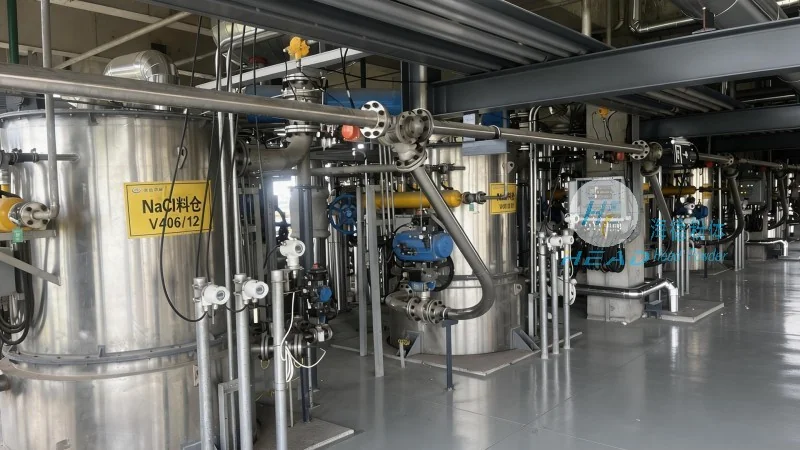
Introduction to Lithium-Ion Battery Positive Electrode Materials Transport
Lithium-ion battery positive electrode materials, such as lithium cobalt oxide (LiCoO₂), lithium nickel manganese cobalt oxide (NMC), and lithium iron phosphate (LFP), require precise and controlled transport to maintain their quality and performance. The choice of transport method significantly impacts production efficiency, material integrity, and overall cost. This section introduces several common transport methods and evaluates their suitability for handling these sensitive materials.
1. Screw Conveyor (Auger Conveyor)
Screw conveyors are widely used for transporting positive electrode materials due to their simplicity and reliability. They consist of a rotating screw inside a tube, which moves material forward through the system. The main advantages of screw conveyors include low maintenance requirements, compact design, and the ability to operate in a closed system, which helps prevent dust contamination. However, they have limitations, such as lower capacity compared to other methods and potential for material degradation if the screw speed is too high. Screw conveyors are ideal for short-distance transport and materials with moderate flowability.

2. Pneumatic Conveying System
Pneumatic conveying systems use air or other gases to transport materials through a pipeline. There are two main types: pressure and vacuum systems. Pressure systems push material forward using compressed air, while vacuum systems pull material using a vacuum. Pneumatic conveying offers high transport capacity, flexibility in layout, and the ability to handle fine powders without the need for additional equipment. However, it requires significant energy input and can be susceptible to blockages if the material is too fine or has poor flow properties. Proper system design and maintenance are crucial to ensure consistent performance.
3. Vibrating Conveyor
Vibrating conveyors use an oscillating motion to move materials along a trough. This method is effective for handling bulk materials with poor flowability, such as some types of LFP powders. The main advantage is the ability to maintain material flow without excessive pressure, reducing the risk of particle degradation. Vibrating conveyors are also easy to clean and maintain, making them suitable for hygienic applications. The primary drawback is lower transport capacity compared to screw or pneumatic systems, and they may not be suitable for long-distance transport due to the energy required to maintain the vibration.

4. Belt Conveyor
Belt conveyors are commonly used in material handling for their high capacity and ability to transport materials over long distances. They consist of a continuous belt that moves over rollers or pulleys. For lithium-ion battery positive electrode materials, belt conveyors can be adapted with special materials to prevent contamination. The advantages include high throughput and the ability to integrate with other processing equipment. However, belt conveyors require more space and maintenance compared to other methods, and they may not be suitable for very fine powders due to the risk of material buildup on the belt.
5. Comparison and Selection Criteria
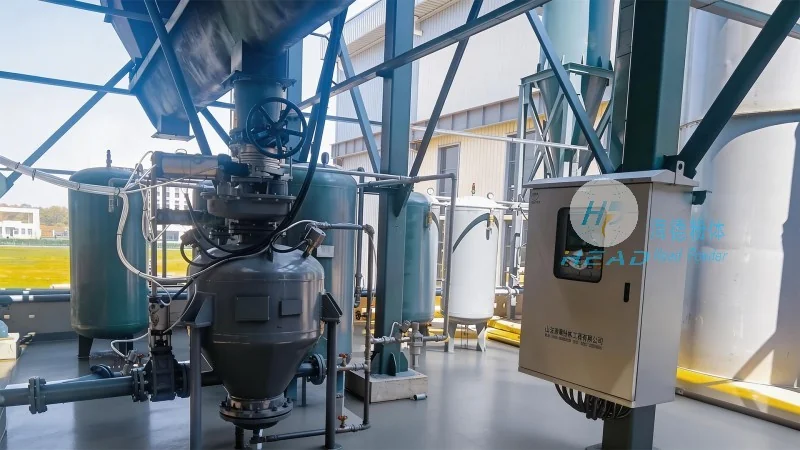
When selecting a transport method for lithium-ion battery positive electrode materials, several factors must be considered, including material properties (flowability, particle size), transport distance, required capacity, and environmental constraints. Screw conveyors are best for short distances and moderate flowability. Pneumatic systems excel in high-capacity and flexible layouts but demand more energy. Vibrating conveyors are ideal for low-flow, poor-flowability materials, while belt conveyors offer high throughput for long-distance transport. HeadPowder recommends evaluating these factors and testing different methods with sample materials to determine the most suitable solution for each application.
Conclusion
Choosing the right transport method for lithium-ion battery positive electrode materials is critical to ensuring product quality and operational efficiency. By understanding the advantages and disadvantages of each method, manufacturers can optimize their production processes and minimize costs. HeadPowder, with its expertise in material handling solutions, provides tailored transport systems that meet the specific needs of clients in the battery industry.

 Shandong Headpowder Engineering Co., Ltd.
 156-6277-7102(Quản lý Trương)
  0531-83386006
  Thành phố Tế Nam, Tỉnh Sơn Đông, Trung Quốc
Điện thoại
WeChatTư vấn
Lên đầu