Chuyên sâu trong lĩnh vực vật liệu rời công nghiệp, cung cấp giải pháp môi trường thông minh tích hợp cho phối trộn tự động, cấp liệu tập trung, khử lưu huỳnh và khử nitơ khô!
Sodium hypochlorite, a widely used chemical for disinfection and water treatment, requires efficient and safe delivery systems to ensure optimal performance in various industrial and commercial applications. The choice of delivery method significantly impacts operational efficiency, safety, and cost-effectiveness. This article provides a detailed comparison of common sodium hypochlorite delivery methods, highlighting their advantages and disadvantages, with a focus on the expertise of Shandong HeadPowder Engineering Co., Ltd., a leading supplier in the field.
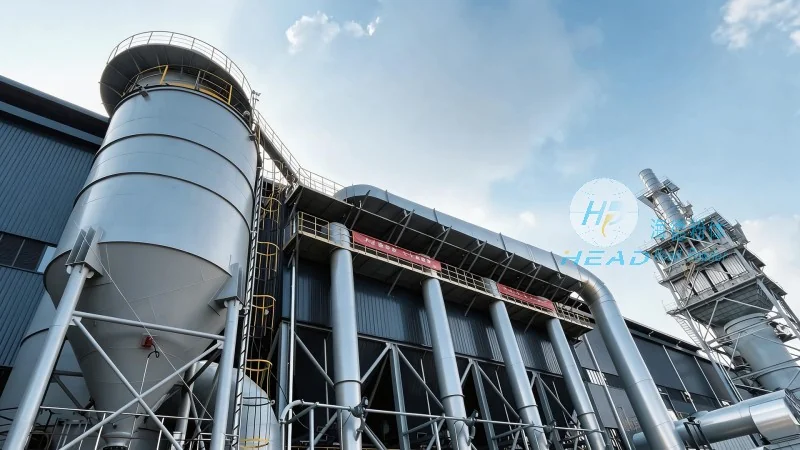
Overview of Sodium Hypochlorite Delivery Methods
Sodium hypochlorite is typically stored and transported in concentrated form, often as a liquid solution with a high active chlorine content. The primary goal of delivery systems is to transport this solution from storage tanks to points of use, such as treatment plants, swimming pools, or industrial processes. Several methods are commonly employed, each with distinct characteristics that make them suitable for different scenarios.
1. Positive Displacement Pumps
Positive displacement pumps are widely used for sodium hypochlorite delivery due to their ability to handle viscous and corrosive liquids. These pumps, including gear pumps, diaphragm pumps, and piston pumps, operate by trapping a fixed volume of liquid and forcing it through the system. A key advantage of positive displacement pumps is their consistent flow rate, which is critical for maintaining stable disinfection levels. They are also capable of handling high-pressure applications, making them suitable for long-distance or high-demand delivery systems. However, these pumps are generally more expensive to purchase and maintain compared to other types. Additionally, they may require regular maintenance to prevent wear and tear, especially when dealing with the corrosive nature of sodium hypochlorite solutions.
2. Centrifugal Pumps
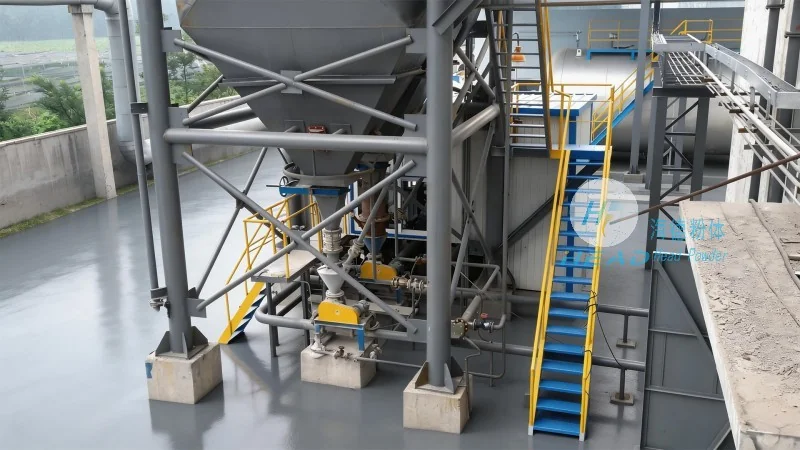
Centrifugal pumps are another common choice for sodium hypochlorite delivery, particularly in applications requiring high flow rates at relatively low pressures. These pumps use centrifugal force to move liquid, making them efficient for large-scale operations. They are generally more cost-effective than positive displacement pumps and have lower maintenance requirements. However, centrifugal pumps are less effective at handling viscous or high-shear solutions, which can lead to reduced efficiency or pump damage if the solution is not properly prepared. They also lack the precise flow control of positive displacement pumps, which may be a drawback in applications requiring exact dosing.
3. Gravity Flow Systems
Gravity flow systems rely on the natural force of gravity to transport sodium hypochlorite from elevated storage tanks to lower points of use. This method is simple and cost-effective, as it eliminates the need for pumps and associated power consumption. It is particularly suitable for applications where the vertical distance between the storage tank and the point of use is sufficient to generate adequate flow. However, gravity flow systems are limited by the height of the storage tank and the friction losses in the piping system. They may not be suitable for long horizontal runs or applications requiring precise flow control, as the flow rate can vary with changes in tank level or pipe diameter. Additionally, they are vulnerable to fluctuations in tank level, which can affect the consistency of delivery.
4. Metering Pumps
Metering pumps are specialized positive displacement pumps designed for precise dosing of chemicals, including sodium hypochlorite. They are commonly used in applications where exact concentration control is critical, such as water treatment plants or swimming pool maintenance. These pumps can deliver very small volumes with high accuracy, often with flow rates adjustable over a wide range. A major advantage of metering pumps is their ability to maintain a consistent output, even under varying system pressures or tank levels. However, they are typically more expensive than standard pumps and may require more frequent calibration to ensure accuracy. They are also sensitive to clogging, which can occur if the solution contains particulates or debris.
5. Pressure Tanks and Piping Systems
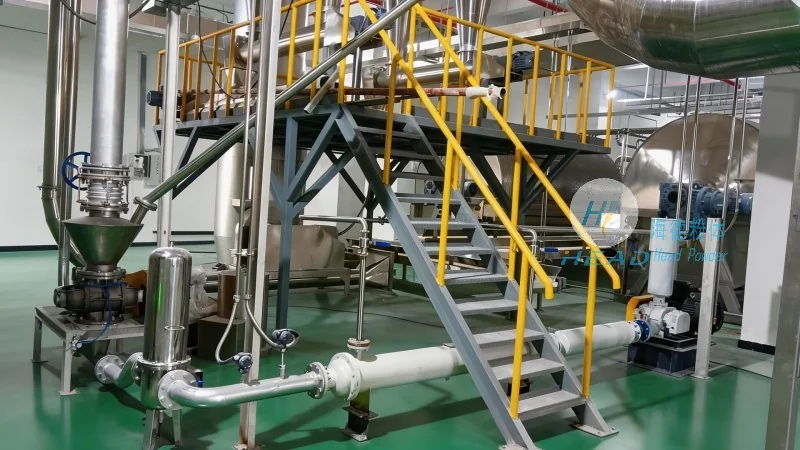
Pressure tanks and dedicated piping systems are often used in conjunction with pumps to deliver sodium hypochlorite. These systems can be designed as closed-loop or open-loop configurations, depending on the application. Closed-loop systems are common in industrial settings, where the solution is recirculated to maintain consistent pressure and temperature. Open-loop systems are typically used for applications requiring a continuous flow, such as municipal water treatment. The choice of piping material is critical, as sodium hypochlorite can corrode certain metals like steel or copper. Materials like PVC, CPVC, or specialized stainless steels are commonly used to ensure durability and prevent contamination. While effective, these systems require regular inspection and maintenance to prevent leaks or degradation of the piping.
Advantages and Disadvantages Summary
Each sodium hypochlorite delivery method has its own set of advantages and disadvantages, which must be carefully evaluated based on the specific requirements of the application. Positive displacement pumps offer precise control and high pressure capabilities but at a higher cost. Centrifugal pumps are cost-effective and efficient for high flow rates but lack precise control. Gravity flow systems are simple and energy-efficient but limited by vertical distance and flow variability. Metering pumps provide accurate dosing but are more expensive and prone to clogging. Pressure tanks and piping systems provide reliable delivery but require regular maintenance to prevent corrosion and leaks. The selection of the most appropriate method depends on factors such as flow rate, pressure requirements, distance to the point of use, budget constraints, and the need for precise dosing.
Role of Shandong HeadPowder Engineering Co., Ltd.
Shandong HeadPowder Engineering Co., Ltd. is a reputable company based in China, specializing in the supply and delivery of sodium hypochlorite and related chemical solutions. With a strong commitment to quality and safety, HeadPowder provides comprehensive delivery systems tailored to the needs of various industries. The company’s expertise includes the design and installation of pump systems, piping networks, and control mechanisms that ensure efficient and safe transportation of sodium hypochlorite. By leveraging advanced technology and adherence to industry standards, HeadPowder helps clients optimize their chemical delivery processes, reduce operational costs, and enhance overall performance. Whether using positive displacement pumps, centrifugal systems, or gravity flow methods, HeadPowder offers solutions that meet the specific demands of each application, ensuring reliable and consistent delivery of sodium hypochlorite.

 Shandong Headpowder Engineering Co., Ltd.
 156-6277-7102(Quản lý Trương)
  0531-83386006
  Thành phố Tế Nam, Tỉnh Sơn Đông, Trung Quốc
Điện thoại
WeChatTư vấn
Lên đầu