

Comparison of Common Sodium Stearate Conveying Methods: Advantages and Disadvantages
When it comes to the handling and transportation of sodium stearate, selecting the right conveying method is crucial for ensuring efficiency, safety, and cost-effectiveness in industrial applications. As a key component in various manufacturing processes, the proper selection of a conveying system for sodium stearate can significantly impact production line performance and operational outcomes. This article provides a detailed comparison of common sodium stearate conveying methods, highlighting their advantages and disadvantages to help industrial operators make informed decisions.
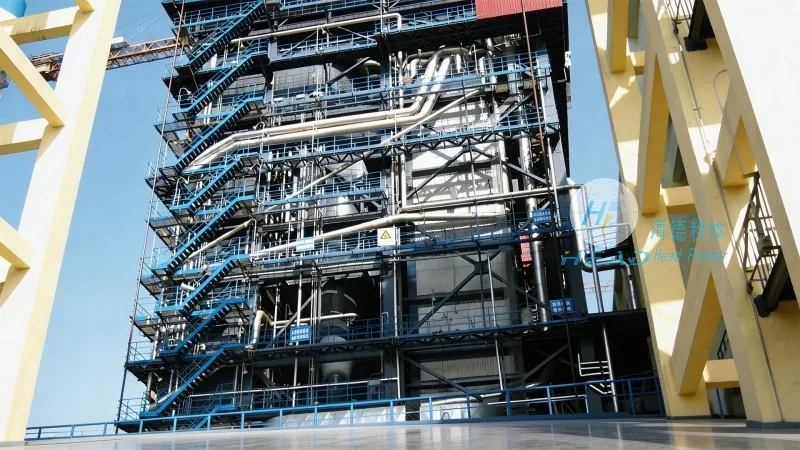
Overview of Sodium Stearate and Conveying Needs
Sodium stearate, a fatty acid salt, is widely used in the production of soaps, detergents, and other chemical products. Its physical properties, such as being a solid at room temperature and having a relatively low moisture content, influence the choice of conveying equipment. The primary goals of an effective conveying system include maintaining product integrity, minimizing material degradation, and ensuring smooth, continuous operation. Different industrial settings may require specific solutions based on factors like the scale of production, the type of equipment available, and the environmental conditions of the facility.
Common Conveying Methods for Sodium Stearate
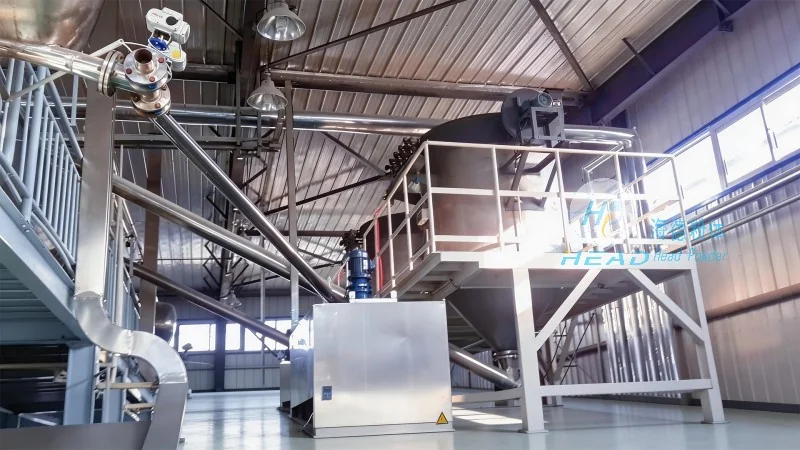
Several methods are commonly employed for transporting sodium stearate, each with its own set of characteristics and suitability for different applications. The most prevalent options include mechanical conveyors, pneumatic systems, and hydraulic solutions. Each method has distinct advantages and drawbacks that must be carefully evaluated against the specific requirements of the operation.
Pneumatic Conveying Systems
Pneumatic conveying, which uses air or other gases to transport material, is a popular choice for sodium stearate due to its ability to handle fine powders and minimize product contamination. This method is particularly effective for applications where dust control and product purity are critical. The system typically consists of a hopper, a blower, and a discharge point, with the material being carried by the air flow. One of the main advantages of pneumatic conveying is its ability to transport materials over long distances without the need for complex infrastructure. However, it may require higher energy consumption compared to other methods, and the risk of product degradation due to high air velocities or pressure fluctuations must be managed carefully.
Mechanical Conveyors (e.g., Screw Conveyors)
Mechanical conveyors, such as screw conveyors, are widely used in the handling of bulk materials like sodium stearate. These systems use rotating screws to move material along a trough, providing a reliable and cost-effective solution for horizontal or slightly inclined transport. Screw conveyors are particularly suitable for applications where the material is free-flowing and non-abrasive. The primary advantage of this method is its simplicity and low maintenance requirements. However, they may not be suitable for very fine powders or materials that are prone to caking, as blockages can occur. Additionally, the risk of product degradation due to friction and heat generation during the conveying process needs to be considered.
Pump-Based Conveying
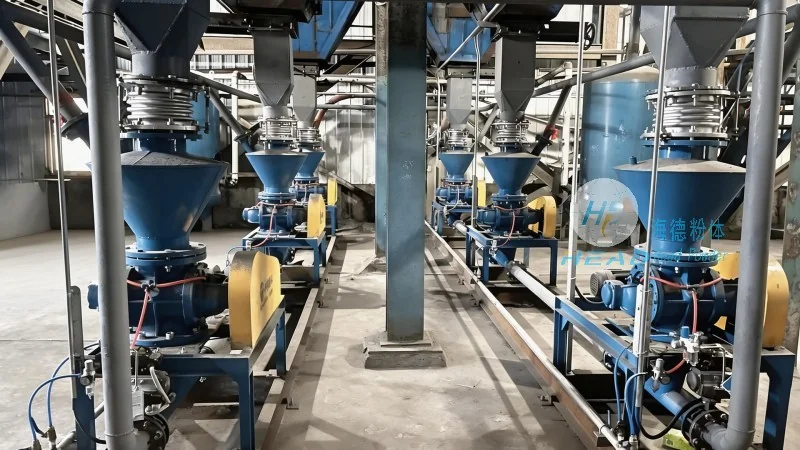
For applications requiring the transport of sodium stearate in a slurry or liquid form, pump-based systems are often employed. These systems use pumps to move the material through pipes, ensuring consistent flow rates and pressure control. The choice of pump type, such as centrifugal or positive displacement pumps, depends on the specific characteristics of the sodium stearate solution, including its viscosity and solid content. The main advantage of pump-based conveying is its ability to handle high volumes of material with minimal energy consumption. However, it may require more complex installation and maintenance, and the risk of pump wear due to abrasive particles in the material must be addressed.
Advantages and Disadvantages Summary
Each conveying method for sodium stearate has its own set of advantages and disadvantages that must be weighed against the operational needs of the facility. Pneumatic systems excel in dust control and product purity but may consume more energy. Mechanical conveyors offer simplicity and low maintenance but may struggle with fine powders or caking materials. Pump-based systems are efficient for slurry transport but require more complex maintenance. The optimal choice depends on factors such as the scale of production, the physical properties of the sodium stearate, and the specific requirements of the manufacturing process.