Chuyên sâu trong lĩnh vực vật liệu rời công nghiệp, cung cấp giải pháp môi trường thông minh tích hợp cho phối trộn tự động, cấp liệu tập trung, khử lưu huỳnh và khử nitơ khô!
For industrial applications involving the handling and transport of molybdenum trioxide, selecting the appropriate transportation method is crucial. The efficiency, safety, and cost-effectiveness of the process are heavily influenced by the chosen method. This article provides a detailed comparison of common molybdenum trioxide transportation methods, highlighting their advantages and disadvantages to assist in informed decision-making for industrial operations. As a specialist in industrial material handling, Shandong HeadPowder Engineering Co., Ltd. offers expertise in optimizing transportation systems for various materials, including molybdenum trioxide.
Overview of Molybdenum Trioxide Transportation
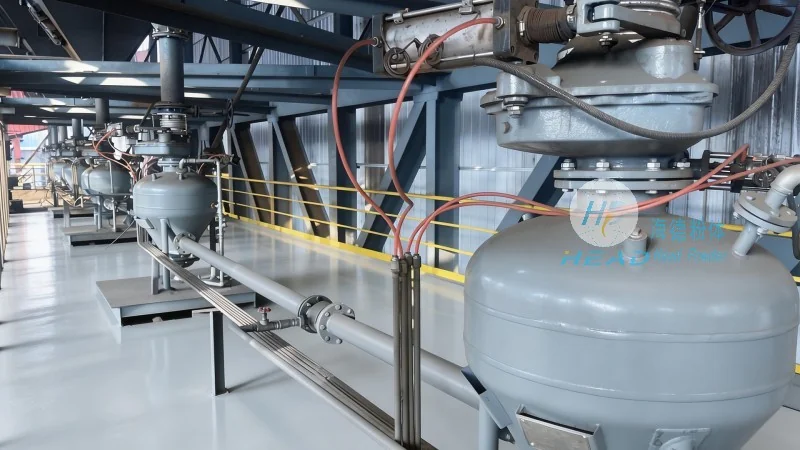
Molybdenum trioxide (MoO₃) is a critical industrial material used in various sectors, including electronics, chemical manufacturing, and metallurgy. Its handling requires careful consideration due to its chemical properties and potential hazards. The transportation of MoO₃ typically involves moving it from storage silos or production facilities to processing units or end-users. Several methods are commonly employed, each with distinct characteristics that affect operational performance. The choice of method depends on factors such as material volume, distance, and the specific requirements of downstream processes.
Pipeline Transportation
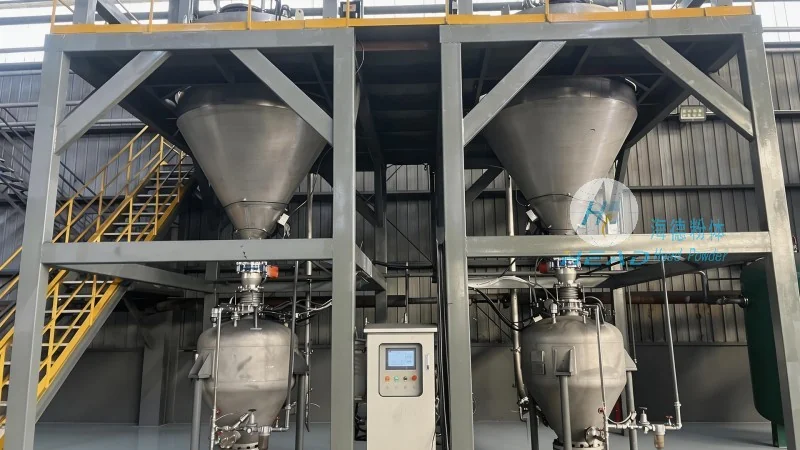
Pipeline transportation is a widely used method for moving molybdenum trioxide, especially in bulk quantities. This method involves conveying the material through a closed system of pipes under pressure or gravity. The primary advantage of pipeline transport is its ability to handle large volumes continuously, reducing labor costs and minimizing exposure to personnel. It also ensures a consistent flow rate, which is beneficial for downstream processes like chemical reactions or further processing. However, pipeline systems require significant initial investment for installation and maintenance. The infrastructure, including pipes, valves, and pumps, can be costly to set up and may need regular inspections to prevent leaks or blockages. Additionally, pipeline transport may face challenges with material buildup or clogging, particularly if the molybdenum trioxide has high moisture content or is prone to agglomeration, which can disrupt the flow and require additional cleaning or maintenance procedures.

Bin and Pump (Hopper-Packing) Transportation
Bin and pump systems, also known as hopper-packing or bin-packing systems, are another common approach for molybdenum trioxide transport. This method involves loading the material into a storage bin or hopper, which is then transferred to a pump or conveyor system for movement. The advantage of this method is its flexibility in handling varying material volumes and the ability to transport the material over longer distances without the need for continuous pumping. It also allows for easier integration with existing industrial infrastructure, as bins can be placed at different locations and connected to the processing units as needed. However, bin and pump systems may experience lower efficiency compared to pipeline transport, as they often involve multiple steps and potential bottlenecks. The loading and unloading processes can be time-consuming, and the equipment used, such as bins and pumps, requires regular maintenance to prevent wear and tear, which can increase operational costs over time. Furthermore, the method may not be as suitable for very fine powders or materials that are prone to dust generation, as the hopper design may not effectively handle such characteristics.
Airborne (Pneumatic) Transportation
Airborne or pneumatic transportation uses compressed air to move molybdenum trioxide through a pipeline system. This method is particularly suitable for fine powders and materials that are difficult to handle mechanically, such as those with high moisture content or those that tend to agglomerate. The primary advantage of pneumatic transport is its ability to keep the material in suspension using air flow, which helps prevent clogging and ensures a smooth flow through the pipeline. It also allows for precise control over the flow rate and direction of the material, enabling better integration with automated systems. However, pneumatic systems require higher energy consumption due to the need for compressed air, which increases operational costs, especially for large-scale transport. Additionally, they may be less efficient for transporting large volumes of material compared to other methods, as the air flow can cause pressure drops and reduce the overall throughput. Furthermore, the method may face challenges with material segregation or particle size variations, as different sized particles may travel at different speeds in the air stream.
Comparison Summary
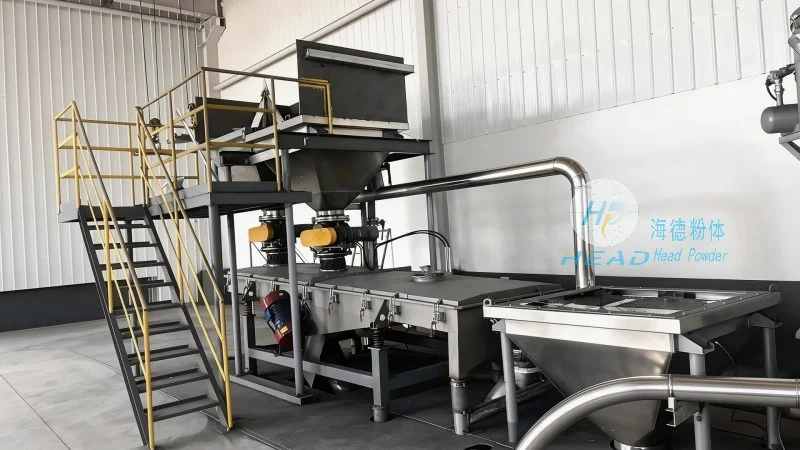
When evaluating molybdenum trioxide transportation methods, several factors must be considered, including the scale of operation, material properties, and budget constraints. Pipeline transportation excels in large-scale, continuous operations but requires high initial investment and may face issues with material buildup. Bin and pump systems offer flexibility and ease of integration but may have lower efficiency and higher maintenance costs. Pneumatic transport is ideal for fine powders and materials with moisture issues but incurs higher energy costs and may be less efficient for bulk transport. Ultimately, the choice of method depends on the specific requirements of the industrial application and the trade-offs between cost, efficiency, and operational flexibility. For example, a large-scale production facility with consistent material flow might opt for pipeline transport, while a smaller operation with varying demand might prefer bin and pump systems. The expertise of companies like Shandong HeadPowder Engineering Co., Ltd. can help in selecting the most suitable method by conducting thorough assessments of the material characteristics and operational needs.

 Shandong Headpowder Engineering Co., Ltd.
 156-6277-7102(Quản lý Trương)
  0531-83386006
  Thành phố Tế Nam, Tỉnh Sơn Đông, Trung Quốc
Điện thoại
WeChatTư vấn
Lên đầu