Chuyên sâu trong lĩnh vực vật liệu rời công nghiệp, cung cấp giải pháp môi trường thông minh tích hợp cho phối trộn tự động, cấp liệu tập trung, khử lưu huỳnh và khử nitơ khô!
When it comes to transporting cement and mineral powders in industrial settings, selecting the right conveying method is crucial for efficiency, cost-effectiveness, and operational safety. Different applications require different solutions, and understanding the pros and cons of each method helps in making an informed decision. This article provides a detailed comparison of common cement and mineral powder conveying methods, highlighting their advantages and disadvantages, and is presented by Shandong HeadPowder Engineering Co., Ltd., a leading provider of bulk material handling solutions.

Overview of Key Conveying Methods
There are several primary methods used for transporting cement and mineral powders, each with its own set of characteristics. The most common options include screw conveyors, pneumatic (air) conveyors, belt conveyors, and bucket elevators. Each method has been widely used in the industry for decades, but their suitability depends on factors such as material properties, distance, volume, and environmental considerations.
Screw Conveyors: The Traditional Choice for Horizontal and Slight Inclined Transport
Screw conveyors, also known as auger conveyors, are one of the most traditional and widely used methods for transporting bulk materials like cement and mineral powders. They consist of a rotating screw (auger) inside a U-shaped or tubular housing. The screw rotates, pushing the material forward along the conveyor. This method is particularly effective for horizontal or slight inclined transport over short to medium distances.
Advantages of screw conveyors include their simplicity, low cost, and ability to handle a wide range of materials without the need for additional equipment. They are also relatively easy to install and maintain. Screw conveyors are ideal for applications where the material is free-flowing and non-abrasive, and where the conveying distance is short.
However, screw conveyors have several limitations. They are not suitable for long-distance transport due to the high friction and energy consumption. The material can also degrade or be damaged if it is abrasive or has high moisture content, as the screw and housing can cause wear. Additionally, screw conveyors are prone to clogging, especially with sticky or cohesive materials, which can lead to operational interruptions and maintenance issues.
Pneumatic (Air) Conveyors: Efficient for Long-Distance and High-Volume Transport
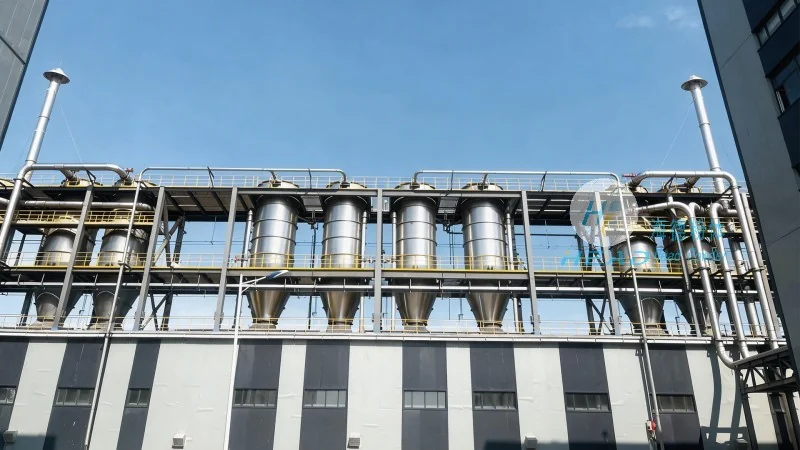
Pneumatic conveyors use air pressure to move materials through a pipeline system. They are available in two main types: pressure and vacuum. Pressure conveyors use compressed air to push the material forward, while vacuum conveyors use a vacuum to pull the material into the system. Pneumatic conveyors are particularly effective for long-distance transport and high-volume applications, as they can move materials over distances of several hundred meters without significant loss of material quality.
The primary advantage of pneumatic conveyors is their ability to transport materials over long distances with minimal energy consumption compared to other methods. They are also suitable for handling fine powders and can be integrated with other processing equipment. Pneumatic systems are often used in applications where the material needs to be transported from a storage silo to a processing plant or a distribution center.
Despite their efficiency, pneumatic conveyors have drawbacks. They require a significant amount of compressed air, which can increase operational costs. The system is also sensitive to material properties, as overly fine or abrasive powders can cause blockages or damage to the pipeline and components. Additionally, the initial investment for a pneumatic system is higher than for other methods, and maintenance can be more complex due to the need for air filtration and pressure regulation.
Belt Conveyors: Versatile for Heavy-Duty and Long-Distance Transport
Belt conveyors are another common method for transporting cement and mineral powders, especially in heavy-duty applications. They consist of a continuous belt that moves over rollers or idlers, carrying the material from one point to another. Belt conveyors are capable of handling large volumes of material and can transport it over long distances, making them suitable for both horizontal and inclined transport.
One of the main advantages of belt conveyors is their high capacity and ability to handle heavy loads. They are also relatively low maintenance compared to other systems, as the moving parts are minimal. Belt conveyors are ideal for applications where the material is coarse or has high bulk density, and where the conveying distance is long.
However, belt conveyors have limitations. They require a significant amount of space for installation, which can be a constraint in some industrial settings. The system is also susceptible to material spillage and wear on the belt and rollers, especially with abrasive materials. Additionally, belt conveyors are not suitable for fine powders, as they can cause dust and material loss during transport.
Bucket Elevators: Efficient for Vertical Transport

Bucket elevators are specifically designed for vertical transport of bulk materials, including cement and mineral powders. They consist of a vertical or slightly inclined conveyor with a series of buckets attached to a chain or belt. As the conveyor rotates, the buckets scoop up the material from a hopper and lift it to the desired height, where the material is discharged.
The primary advantage of bucket elevators is their efficiency in vertical transport, as they can move materials vertically over long distances with minimal energy consumption. They are also capable of handling a wide range of materials, including fine powders and abrasive materials. Bucket elevators are ideal for applications where the material needs to be lifted from a lower level to a higher level, such as in silo systems or processing plants.
However, bucket elevators have some drawbacks. They are limited to vertical or slightly inclined transport and cannot handle horizontal movement. The system is also prone to wear on the buckets and chain, especially with abrasive materials, which can lead to higher maintenance costs. Additionally, bucket elevators are not suitable for very fine powders, as they can cause material loss and clogging.
Choosing the Right Conveying Method: Factors to Consider
When selecting a conveying method for cement and mineral powders, several factors must be considered to ensure optimal performance and cost-effectiveness. The first factor is the material properties, including particle size, bulk density, moisture content, and abrasiveness. Fine powders and high-moisture materials may require a different method than coarse, dry materials. The second factor is the conveying distance and layout, as some methods are better suited for short distances while others are designed for long distances. The third factor is the required capacity and throughput, as different methods have varying capacities. The fourth factor is the environmental considerations, such as dust control and noise levels, as some methods may generate more dust or noise than others.
Conclusion
Choosing the right cement and mineral powder conveying method is a critical decision for industrial operations. Each method has its own advantages and disadvantages, and the best choice depends on the specific application and requirements. Shandong HeadPowder Engineering Co., Ltd. specializes in providing customized bulk material handling solutions, including the selection and installation of appropriate conveying systems, to meet the unique needs of our clients. By understanding the pros and cons of each method, businesses can make informed decisions that enhance efficiency, reduce costs, and ensure operational safety.

 Shandong Headpowder Engineering Co., Ltd.
 156-6277-7102(Quản lý Trương)
  0531-83386006
  Thành phố Tế Nam, Tỉnh Sơn Đông, Trung Quốc
Điện thoại
WeChatTư vấn
Lên đầu