

Comparison of Common Magnesium Oxide Powder Conveying Methods: Advantages and Disadvantages
When it comes to handling and transporting magnesium oxide powder, selecting the right conveying method is crucial for ensuring efficiency, safety, and cost-effectiveness in industrial operations. Magnesium oxide, also known as magnesia, is a widely used chemical compound in various industries, including construction, pharmaceuticals, and chemical manufacturing. Its fine powder form requires specialized equipment to move it from storage to processing areas without compromising quality or causing operational issues. This article provides a detailed comparison of common magnesium oxide powder conveying methods, highlighting their advantages and disadvantages to help industrial operators make informed decisions.

Overview of Magnesium Oxide Powder Conveying Methods
Magnesium oxide powder, with its fine particle size and potential for dust generation, demands reliable and efficient conveying solutions. The choice of method depends on factors such as the material's properties, the distance to be conveyed, the required flow rate, and the environmental considerations of the facility. Below, we explore several prevalent conveying methods used in the industry and evaluate their performance in handling magnesium oxide powder.
Screw Conveyors: A Traditional and Versatile Option
Screw conveyors, also known as auger conveyors, are one of the most common methods for transporting bulk materials, including magnesium oxide powder. These systems consist of a rotating helical screw blade inside a U-shaped or tubular housing. The screw rotates, pushing the material forward through the conveyor. For magnesium oxide powder, screw conveyors offer several advantages. They are relatively simple in design, making them easy to install and maintain. Additionally, they can handle a wide range of particle sizes and moisture levels, which is beneficial for handling varying grades of magnesium oxide. The enclosed design of screw conveyors helps contain dust, reducing the risk of airborne contamination and improving workplace safety. However, screw conveyors have limitations when dealing with very fine or cohesive powders like magnesium oxide. The risk of material bridging or clogging in the screw and housing can be significant, especially if the powder is prone to stickiness. This can lead to reduced efficiency and increased downtime for cleaning and maintenance. Moreover, the speed of material movement in screw conveyors is generally lower compared to other methods, which may not be suitable for high-volume applications.
Airslide Conveyors: Gentle and Low-Pressure Transport
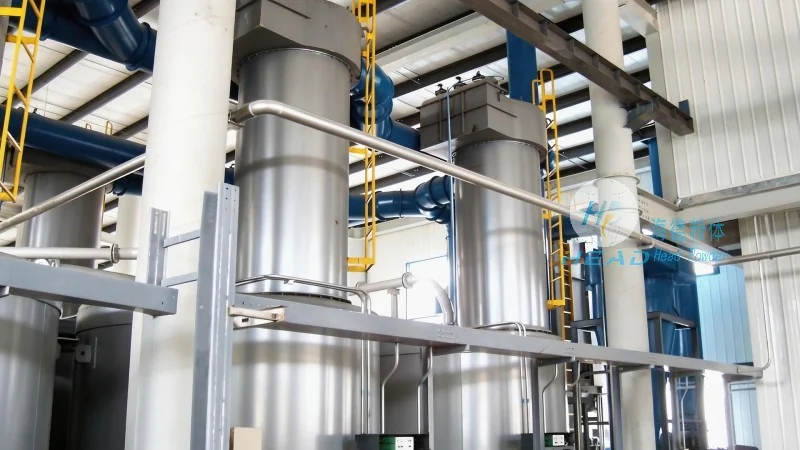
Airslide conveyors, also called pneumatic conveyor systems, use air to move magnesium oxide powder through a series of flexible or rigid tubes. This method is particularly suitable for fine powders that are prone to dust generation and require gentle handling. The airslide conveyor operates by creating a low-pressure air flow that lifts and transports the powder particles along the conveyor path. One of the key advantages of airslide conveyors is their ability to handle very fine or cohesive powders without causing excessive wear or damage. The low-pressure air flow minimizes the risk of particle degradation and ensures a smooth, continuous flow. This makes airslide conveyors ideal for applications where the material's quality must be preserved, such as in pharmaceutical or food processing industries. However, airslide conveyors have their drawbacks. The primary limitation is their lower conveying capacity compared to mechanical systems like screw or belt conveyors. They are generally more suitable for short to medium distances and lower flow rates. Additionally, the system requires a consistent air supply, and any fluctuations in air pressure can affect the conveying efficiency. Maintenance of the air filtration and blower systems is also necessary to ensure the system operates effectively and prevents dust accumulation in the facility.
Belt Conveyors: High-Capacity and Long-Distance Transport

Belt conveyors are widely used in bulk material handling for their high capacity and ability to transport materials over long distances. These systems consist of a continuous belt that moves over rollers or pulleys, carrying the magnesium oxide powder from one location to another. Belt conveyors offer several advantages for transporting magnesium oxide powder. They can handle large volumes of material with high efficiency, making them suitable for high-throughput industrial operations. The belt's design allows for smooth and continuous movement, reducing the risk of material spillage or degradation. Belt conveyors are also relatively easy to install and maintain, with standard components that are readily available. However, belt conveyors have specific challenges when handling fine powders like magnesium oxide. The fine particles can cause the belt to slip or create excessive friction, leading to increased wear on the belt and pulleys. This can result in higher maintenance costs and potential downtime for replacement. Additionally, the open design of belt conveyors increases the risk of dust exposure, which may require additional dust control measures, such as enclosures or local exhaust systems, to comply with safety regulations. The initial investment for belt conveyors is also higher compared to other methods, particularly for long-distance or high-capacity applications.
Comparison Summary: Choosing the Right Conveying Method
When selecting a conveying method for magnesium oxide powder, it is essential to consider the specific requirements of the application. Screw conveyors are a good choice for moderate volumes and shorter distances, offering simplicity and dust containment. Airslide conveyors are ideal for fine, cohesive powders that require gentle handling and low dust generation, though they have lower capacity. Belt conveyors excel in high-capacity and long-distance transport but may require additional measures to manage dust and wear. The choice ultimately depends on factors such as the material's properties, the distance to be conveyed, the required flow rate, and the available budget. By evaluating these factors and understanding the pros and cons of each method, industrial operators can select the most suitable conveying system to ensure efficient and safe handling of magnesium oxide powder.
Shandong HeadPowder Engineering Co., Ltd., a leading manufacturer in the field, specializes in providing tailored conveying solutions for various industrial applications. With a focus on quality and reliability, HeadPowder offers a range of equipment designed to meet the specific needs of magnesium oxide powder handling. Their expertise in material handling technology ensures that clients receive systems that are efficient, durable, and compliant with industry standards. Whether you need a screw conveyor, airslide system, or belt conveyor, HeadPowder provides comprehensive solutions backed by years of experience and customer support. For more information on their products and services, please visit their official website or contact their sales team directly.