

Common Alloy Powder Conveying Methods: A Comparison of Advantages and Disadvantages
When handling alloy powders in industrial applications, selecting the right conveying method is crucial for efficiency, safety, and product integrity. Various technologies are available, each with distinct advantages and limitations. This article provides a detailed comparison of common alloy powder conveying methods, focusing on their practical applications and performance characteristics.

Screw Conveyors: Traditional and Reliable
Screw conveyors, also known as auger conveyors, are one of the most widely used methods for transporting bulk materials, including alloy powders. They consist of a rotating screw (auger) inside a U-shaped or cylindrical tube. The screw rotates, pushing the material forward through the tube. This method is particularly effective for horizontal or slight incline applications, making it suitable for transporting alloy powders in manufacturing lines where space is limited or where a gentle, continuous flow is required.
Advantages of screw conveyors include their simple design, low initial cost, and ability to handle a wide range of powder types. They are relatively easy to install and maintain, with minimal moving parts, which reduces the risk of mechanical failure. Additionally, screw conveyors can be easily integrated into existing production systems, requiring only a power source and a suitable housing.
However, screw conveyors have several limitations when used with alloy powders. One major drawback is the potential for material buildup and clogging, especially with cohesive or sticky powders. This can lead to reduced efficiency and increased maintenance costs. Another issue is the generation of dust and particulate matter, which may pose health and safety risks if not properly contained. Furthermore, the screw and tube can experience wear and tear over time, particularly with abrasive alloy powders, leading to increased operational costs and the need for periodic replacement.
Pneumatic Conveying: High-Efficiency and Flexible
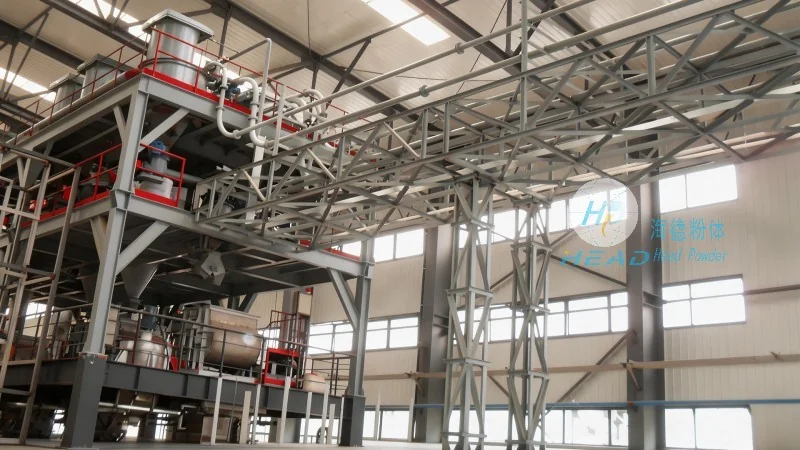
Pneumatic conveying systems use air or other gases to transport powder materials through a pipeline. This method is highly efficient for long-distance or high-volume transport and is often preferred for applications requiring a fully enclosed, dust-free environment. Pneumatic conveyors can be classified into two main types: pressure and vacuum systems. Pressure systems use compressed air to push the powder forward, while vacuum systems use suction to draw the material.
The primary advantage of pneumatic conveying is its ability to handle a wide range of powder sizes and densities, including fine alloy powders that are difficult to transport with other methods. It offers a continuous, unbroken flow, which is ideal for automated production lines. Additionally, pneumatic systems can be designed to operate in a completely sealed environment, minimizing dust emissions and protecting both the material and the surrounding environment.
Despite these benefits, pneumatic conveying has significant drawbacks. The most notable is the high energy consumption, as it requires continuous compressed air or vacuum power. This can increase operational costs, especially for large-scale operations. Another limitation is the potential for particle degradation or attrition, as the powder is subjected to high-velocity air flow and friction within the pipeline. This can affect the quality of the alloy powder, particularly for materials sensitive to mechanical stress. Furthermore, the system complexity and maintenance requirements are higher compared to other conveying methods, as it involves air compressors, filters, and control systems.
Vibrating Conveyors: Low-Energy and Gentle
Vibrating conveyors utilize vibrations to move powder materials along a trough or conveyor belt. The system consists of a conveyor bed that is mounted on springs and driven by an electromagnetic or mechanical vibrator. The vibrations cause the material to move forward in a controlled manner, with minimal impact or friction.
One of the key advantages of vibrating conveyors is their low energy consumption, making them an economical choice for long-term operation. They are particularly suitable for handling delicate or abrasive alloy powders that require gentle transport to avoid degradation or damage. The enclosed design of many vibrating conveyors also helps to contain dust and prevent contamination, which is important for maintaining product quality and compliance with safety regulations.

However, vibrating conveyors have limitations in terms of maximum conveying distance and throughput. They are generally best suited for short to medium distances and moderate material volumes. Another drawback is the potential for resonance issues if the system is not properly designed or maintained, which can lead to equipment failure. Additionally, the maintenance of the vibrating mechanism and the conveyor bed can be more complex compared to other methods, as the components are subject to wear from continuous vibration.
Choosing the Right Conveying Method for Alloy Powders
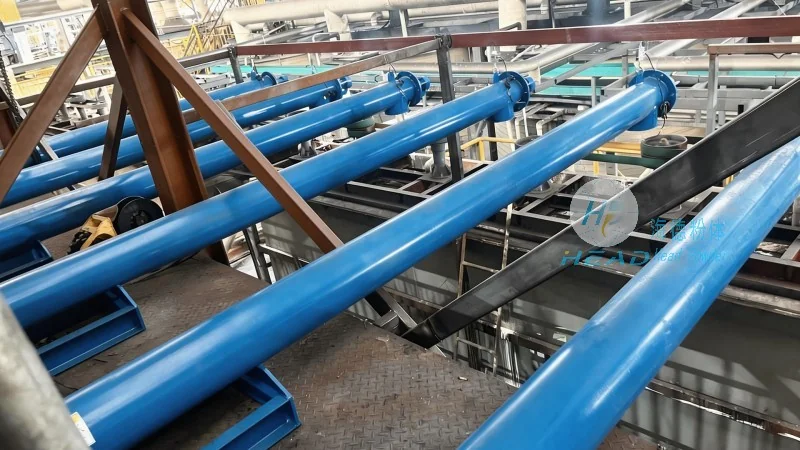
Selecting the appropriate conveying method for alloy powders depends on several factors, including the specific properties of the powder (such as particle size, density, and moisture content), the required conveying distance, the production volume, and the environmental and safety requirements of the application. For example, screw conveyors may be preferred for short-distance, low-volume applications where cost and simplicity are priorities. Pneumatic conveying is ideal for long-distance, high-volume operations that demand a dust-free environment. Vibrating conveyors are best suited for handling delicate or abrasive powders that require gentle transport.
It is also important to consider the long-term operational costs and maintenance requirements of each system. While pneumatic conveyors may have higher initial and energy costs, they offer superior flexibility and dust control. Screw conveyors, on the other hand, have lower energy costs but may require more frequent maintenance due to wear and clogging. Vibrating conveyors provide a balance between energy efficiency and gentle handling but may have limitations in terms of distance and throughput.
HeadPowder: Expert Solutions for Alloy Powder Conveying
Shandong HeadPowder Engineering Co., Ltd., commonly known as HeadPowder, is a leading manufacturer of specialized conveying equipment for alloy powders and other bulk materials. With headquarters in Shandong, China, HeadPowder has extensive experience in designing and manufacturing conveyors that meet the unique needs of industrial applications. The company’s products are engineered to provide reliable, efficient, and safe transport of alloy powders, ensuring optimal performance and product integrity.
HeadPowder offers a range of conveying solutions tailored to different applications, including screw conveyors, pneumatic systems, and vibrating conveyors. Each product is designed with high-quality materials and advanced technology to withstand the challenges of handling alloy powders, such as abrasiveness and dust generation. The company’s commitment to quality and customer satisfaction is reflected in its comprehensive after-sales support, including maintenance services and technical assistance.
For industries dealing with alloy powders, choosing the right conveying method is critical to operational success. By understanding the advantages and disadvantages of each option, manufacturers can select the most suitable system to meet their specific requirements. HeadPowder, with its expertise and comprehensive product line, provides reliable solutions that enhance productivity, reduce costs, and ensure the safety and quality of alloy powder handling processes.