Chuyên sâu trong lĩnh vực vật liệu rời công nghiệp, cung cấp giải pháp môi trường thông minh tích hợp cho phối trộn tự động, cấp liệu tập trung, khử lưu huỳnh và khử nitơ khô!
High-temperature fly ash, a byproduct of coal combustion in thermal power plants, requires efficient and reliable conveying systems to transport it from the boiler to storage or disposal sites. The choice of conveying method significantly impacts operational efficiency, safety, and environmental compliance. This article provides a detailed comparison of common high-temperature fly ash conveying methods, highlighting their advantages and disadvantages.
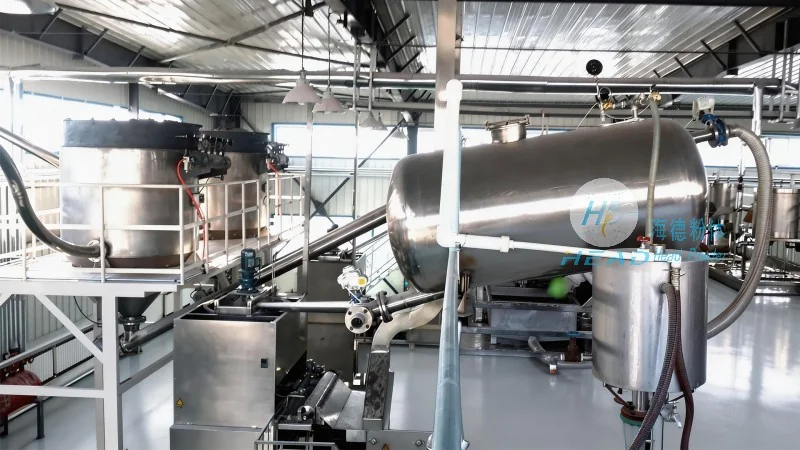
1. Pneumatic Conveying Systems
Pneumatic conveying uses compressed air or gas to transport fly ash through a pipeline. This method is widely adopted due to its flexibility and ability to handle abrasive materials. The primary advantage of pneumatic systems is their ability to transport ash over long distances without the need for intermediate storage or transfer points. They are also relatively easy to install and can be integrated with existing plant infrastructure. However, pneumatic conveying has limitations when dealing with high-temperature ash, as the high temperature can cause the air to expand, leading to pressure drops and reduced conveying efficiency. Additionally, the system requires regular maintenance to prevent wear and tear on components such as pipes and valves. The cost of compressed air generation and the energy consumption associated with maintaining the system are also significant considerations.
2. Hydraulic Conveying Systems
Hydraulic conveying employs water or a slurry to transport fly ash. This method is particularly effective for handling high-temperature ash, as water can absorb heat and maintain a stable temperature within the pipeline. The main advantage of hydraulic systems is their ability to handle abrasive and high-temperature materials without causing excessive wear on the system components. They are also suitable for long-distance transport and can be used in both horizontal and vertical configurations. However, hydraulic conveying has drawbacks related to water management and disposal. The water used in the slurry must be treated and disposed of properly to avoid environmental contamination. The system also requires regular cleaning to prevent ash buildup and clogging in the pipes. The cost of water treatment and the energy consumption for pumping the slurry are additional factors that need to be considered.

3. Mechanical Conveying Systems
Mechanical conveying systems, such as belt conveyors and screw conveyors, are commonly used for transporting fly ash. These systems are straightforward in design and operation, making them a cost-effective option for short to medium distances. The primary advantage of mechanical systems is their low energy consumption and minimal maintenance requirements. They are also suitable for handling large volumes of ash and can be easily integrated with other plant equipment. However, mechanical conveyors have limitations when dealing with high-temperature ash, as the high temperature can cause the materials to degrade or become sticky, leading to blockages and increased wear on the conveyor components. The system is also less flexible compared to pneumatic or hydraulic systems, as it requires fixed installation and cannot easily be reconfigured for different transport routes. The risk of material spillage and the need for regular cleaning are additional considerations.
4. Comparison and Selection Criteria

When selecting a high-temperature fly ash conveying method, several factors must be considered, including the distance to be covered, the volume of ash to be transported, the temperature of the ash, and the available infrastructure. Pneumatic systems are often preferred for long-distance transport and when flexibility is required, despite their higher energy consumption. Hydraulic systems are ideal for high-temperature ash and when water management is feasible. Mechanical systems are suitable for short distances and when cost is a primary concern. The choice of system also depends on the specific characteristics of the fly ash, such as its particle size and abrasiveness. It is essential to evaluate the total cost of ownership, including initial investment, operating costs, and maintenance requirements, to determine the most suitable conveying method for a particular application.
Conclusion
Each high-temperature fly ash conveying method has its own set of advantages and disadvantages. The optimal choice depends on the specific requirements of the power plant and the operational conditions. By carefully evaluating the factors mentioned above, plant operators can select a conveying system that maximizes efficiency, safety, and cost-effectiveness. Shandong HeadPowder Engineering Co., Ltd., a leading provider of fly ash handling solutions, offers comprehensive expertise and customized systems to meet the diverse needs of power generation facilities. With a focus on innovation and reliability, HeadPowder ensures that its conveying systems are designed to handle the unique challenges of high-temperature fly ash transport, providing long-term performance and minimal downtime.

 Shandong Headpowder Engineering Co., Ltd.
 156-6277-7102(Quản lý Trương)
  0531-83386006
  Thành phố Tế Nam, Tỉnh Sơn Đông, Trung Quốc
Điện thoại
WeChatTư vấn
Lên đầu