Chuyên sâu trong lĩnh vực vật liệu rời công nghiệp, cung cấp giải pháp môi trường thông minh tích hợp cho phối trộn tự động, cấp liệu tập trung, khử lưu huỳnh và khử nitơ khô!
When it comes to transporting silicate materials, selecting the right method is crucial for ensuring efficiency, safety, and cost-effectiveness in industrial operations. Silicates, which include compounds like silica, silicates of sodium, potassium, and calcium, are widely used in various industries such as construction, glass manufacturing, and chemical processing. The choice of transportation method depends on factors like material properties, flow characteristics, and the specific requirements of the application. This article provides a detailed comparison of common silicate transportation methods, highlighting their advantages and disadvantages to help industries make informed decisions.

1. Pneumatic Conveying Systems
Pneumatic conveying systems use air or other gases to transport dry powders, including silicates, through a pipeline. This method is particularly suitable for fine powders with low to medium density. The primary advantage of pneumatic conveying is its ability to transport materials over long distances without the need for complex machinery. It also allows for the integration of multiple processing steps, such as mixing and drying, within the conveying line. However, the system requires a significant amount of energy to generate the necessary air pressure, which can increase operational costs. Additionally, the system may be susceptible to blockages if the material is too cohesive or contains moisture, leading to downtime and maintenance issues.
2. Hydraulic Conveying (Slurry Pumps)

Hydraulic conveying, often referred to as slurry pumping, involves transporting silicate materials in a slurry form—mixing the powder with water or other liquids to create a fluid mixture. This method is ideal for handling high-density or abrasive materials that are difficult to convey dry. The main advantage of hydraulic conveying is its high capacity and ability to transport materials over long distances with minimal pressure loss. It also allows for the simultaneous transport of multiple materials or the addition of additives during the process. However, the system requires regular maintenance to prevent wear and tear from abrasive particles, and the disposal of wastewater can be an environmental concern. Furthermore, the initial setup and equipment costs are generally higher compared to pneumatic systems.
3. Mechanical Conveying (Belt and Screw Conveyors)
Mechanical conveying systems, including belt and screw conveyors, rely on mechanical components to move silicate materials. Belt conveyors use a continuous belt to transport materials horizontally or at a slight incline, while screw conveyors use a rotating screw to push materials through a tube. These systems are suitable for bulk materials with moderate to high flow rates and are relatively simple to install and operate. The advantages include low energy consumption for short to medium distances and the ability to handle a wide range of material sizes and shapes. However, mechanical conveyors may experience wear on the belt or screw due to abrasive silicate particles, requiring frequent replacement and maintenance. They are also less effective for transporting fine powders, as they can cause segregation or bridging issues.

4. Vacuum Conveying Systems
Vacuum conveying systems operate by creating a negative pressure to draw silicate materials into a collection container or pipeline. This method is commonly used for handling fine powders that are prone to dusting or require gentle handling. The primary advantage of vacuum conveying is its ability to transport materials in a closed system, reducing dust emissions and improving safety in the workplace. It also allows for the collection of materials from multiple sources and the integration with other processing equipment. However, the system has limitations in terms of the distance it can effectively transport materials, typically up to a few hundred meters. Additionally, the vacuum pump requires regular maintenance to ensure consistent performance, and the system may not be suitable for very abrasive or high-density materials.
5. Comparison and Selection Criteria
When choosing a silicate transportation method, several factors must be considered to ensure the best fit for the application. The first consideration is the material's physical properties, such as particle size, density, and moisture content. For example, pneumatic conveying is better suited for fine, dry powders, while hydraulic conveying is more effective for high-density slurries. The second factor is the distance and layout of the transportation system. Pneumatic and vacuum systems are ideal for long-distance transport, whereas mechanical conveyors are more suitable for short to medium distances. The third factor is the operational costs, including energy consumption, maintenance, and equipment expenses. Finally, safety and environmental considerations, such as dust control and waste management, should also be evaluated.
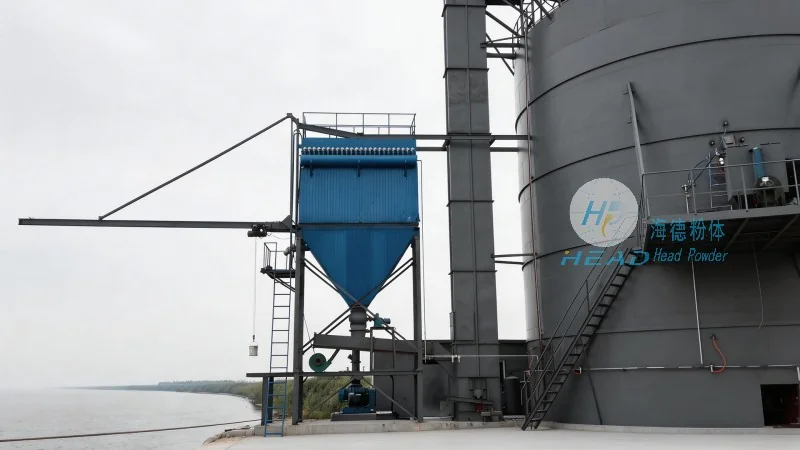
6. Case Study: Application in Glass Manufacturing
Shandong HeadPowder Engineering Co., Ltd., a leading provider of silicate processing solutions, has successfully implemented various transportation methods in glass manufacturing plants. For instance, a client in China used pneumatic conveying to transport silica sand from storage silos to the glass melting furnace. The system allowed for efficient, dust-free transport over a distance of 200 meters, reducing labor costs and improving product quality. Another client opted for hydraulic conveying to handle a high-density silicate slurry used in the production of fiberglass. The slurry pump system ensured consistent flow and minimal pressure loss, enhancing the overall production efficiency. These case studies demonstrate the importance of selecting the appropriate transportation method based on specific operational needs and material characteristics.
7. Conclusion
Each silicate transportation method has its own set of advantages and disadvantages, making the selection process critical for industrial success. Pneumatic conveying offers flexibility and long-distance transport but requires high energy input. Hydraulic conveying provides high capacity and ease of integration but involves higher maintenance and environmental costs. Mechanical conveyors are simple and energy-efficient for short distances but may suffer from wear and segregation issues. Vacuum conveying ensures dust control and gentle handling but has limitations in distance and material type. Ultimately, the choice of method should be based on a thorough analysis of material properties, operational requirements, and cost considerations. By understanding these factors, industries can optimize their silicate transportation processes, leading to improved efficiency, reduced downtime, and enhanced product quality. Shandong HeadPowder Engineering Co., Ltd. continues to provide tailored solutions to meet the diverse needs of its clients, ensuring reliable and effective silicate transportation in various industrial applications.

 Shandong Headpowder Engineering Co., Ltd.
 156-6277-7102(Quản lý Trương)
  0531-83386006
  Thành phố Tế Nam, Tỉnh Sơn Đông, Trung Quốc
Điện thoại
WeChatTư vấn
Lên đầu