Chuyên sâu trong lĩnh vực vật liệu rời công nghiệp, cung cấp giải pháp môi trường thông minh tích hợp cho phối trộn tự động, cấp liệu tập trung, khử lưu huỳnh và khử nitơ khô!
Manganese sulfate is a crucial industrial chemical widely used in various applications, including battery production, fertilizer manufacturing, and water treatment. The efficient and safe transportation of this chemical is essential to ensure consistent supply and minimize operational risks. This article provides a detailed comparison of common manganese sulfate transportation methods, highlighting their advantages and disadvantages to help industrial users make informed decisions.

About the Company
Shandong HeadPowder Engineering Co., Ltd., based in Shandong, China, specializes in the production and supply of high-quality chemical products, including manganese sulfate. With years of experience in the chemical industry, HeadPowder provides reliable solutions for material handling and transportation needs.
Pump-Based Transportation Systems
One of the most common methods for transporting manganese sulfate is through pump-based systems. These systems typically involve using centrifugal pumps or positive displacement pumps to move the liquid chemical through pipelines. The advantages of pump-based transportation include high flow rates, consistent pressure control, and the ability to handle viscous or corrosive solutions. However, this method requires regular maintenance to prevent pump wear and corrosion, and it may not be suitable for long-distance transport due to energy consumption and potential leakage risks.
Pipeline Transportation
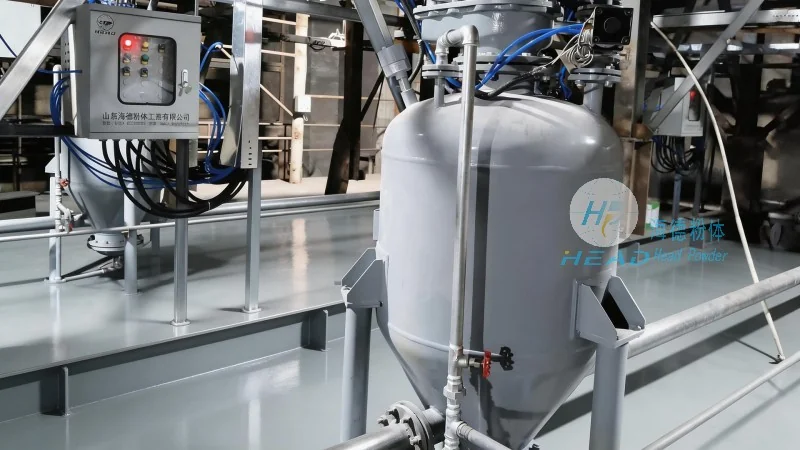
Pipeline transportation is another widely used method, especially for large-scale industrial operations. Manganese sulfate is pumped through dedicated pipelines from the production facility to the end-user or storage areas. The benefits of this approach include reduced labor costs, minimized handling risks, and the ability to transport large volumes continuously. Nevertheless, pipeline systems require significant capital investment for installation and maintenance, and any damage to the pipeline can lead to environmental contamination and operational disruptions.
Packaging and Bulk Transportation
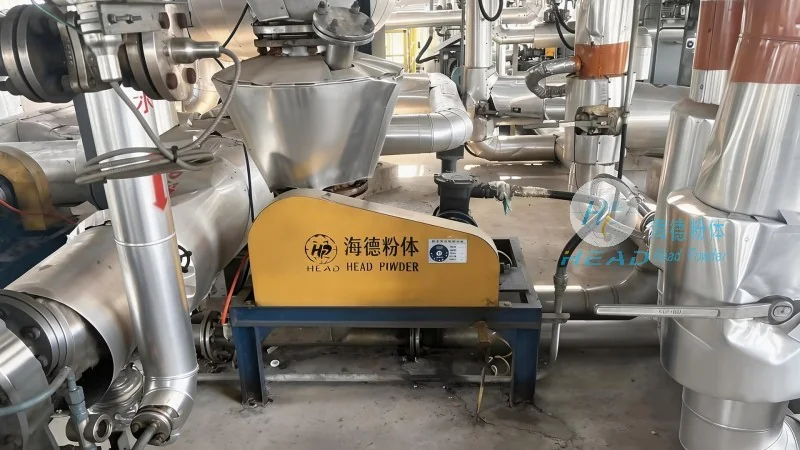
For smaller-scale or regional deliveries, packaging and bulk transportation methods are often employed. Manganese sulfate can be shipped in containers such as drums, bags, or bulk containers. This method offers flexibility in delivery, as it can be adapted to various customer requirements. However, packaging and bulk transportation may result in higher costs due to packaging materials and handling, and it is less efficient for large-scale, continuous supply compared to pipeline systems.
Comparison Summary
When selecting a transportation method for manganese sulfate, industrial users must consider factors such as scale of operation, distance, budget, and safety requirements. Pump-based systems are ideal for high-volume, continuous transport but require regular maintenance. Pipeline systems are cost-effective for large-scale operations but demand significant upfront investment. Packaging and bulk transportation offers flexibility for smaller deliveries but may be less efficient for continuous supply. Ultimately, the choice of transportation method should align with the specific needs of the industrial application to ensure optimal performance and safety.

 Shandong Headpowder Engineering Co., Ltd.
 156-6277-7102(Quản lý Trương)
  0531-83386006
  Thành phố Tế Nam, Tỉnh Sơn Đông, Trung Quốc
Điện thoại
WeChatTư vấn
Lên đầu