Chuyên sâu trong lĩnh vực vật liệu rời công nghiệp, cung cấp giải pháp môi trường thông minh tích hợp cho phối trộn tự động, cấp liệu tập trung, khử lưu huỳnh và khử nitơ khô!
When it comes to handling tungsten carbide, selecting the right conveying method is crucial for efficiency, material integrity, and operational costs. Tungsten carbide is a hard, brittle material that requires specialized equipment to transport safely and effectively. This article provides a detailed comparison of common tungsten carbide conveying methods, highlighting their advantages and disadvantages to help industrial operators make informed decisions.
Introduction to Tungsten Carbide Conveying

Tungsten carbide, a compound of tungsten and carbon, is widely used in industrial applications due to its exceptional hardness, wear resistance, and thermal stability. Its unique properties make it indispensable in manufacturing tools, wear parts, and cutting inserts. However, the material's brittleness and high density pose challenges during transportation. Proper conveying systems are essential to prevent material degradation, equipment damage, and safety hazards. The choice of conveying method depends on factors such as material characteristics, processing requirements, and operational environment.
1. Screw Conveyors for Tungsten Carbide
Screw conveyors, also known as auger conveyors, are one of the most common methods for transporting bulk materials, including tungsten carbide powders and small parts. These systems consist of a rotating helical screw inside a trough or tube, which moves material from one end to the other through gravity or mechanical force. For tungsten carbide, screw conveyors offer several advantages. They are relatively simple in design, low in maintenance, and can handle a wide range of particle sizes. The enclosed design helps contain dust and prevent material loss, which is critical for tungsten carbide due to its fine powder form. Additionally, screw conveyors can operate in both horizontal and inclined positions, providing flexibility in plant layouts.
However, screw conveyors have notable disadvantages when used with tungsten carbide. The high hardness of the material can cause excessive wear on the screw and trough liners, leading to increased maintenance costs and downtime. The friction between the material and the screw can generate heat, potentially damaging the brittle tungsten carbide particles. Moreover, screw conveyors are not suitable for handling very fine powders or large chunks, as they may cause clogging or uneven flow. For industrial applications requiring high throughput and minimal material degradation, screw conveyors may not be the optimal choice.
2. Vibrating Conveyors for Tungsten Carbide
Vibrating conveyors utilize mechanical vibrations to move materials along a trough. This method is particularly effective for handling abrasive and heavy materials like tungsten carbide. The conveyor consists of a trough supported by vibration motors or eccentrics, which generate a high-frequency, low-amplitude vibration. The vibration causes the material to move forward in a controlled manner, minimizing friction and wear. Vibrating conveyors are known for their ability to handle a wide range of particle sizes, from fine powders to large chunks, without clogging. They are also suitable for inclined or horizontal transport, making them versatile in various industrial settings.
The advantages of vibrating conveyors for tungsten carbide include reduced wear on equipment compared to screw conveyors, as the material is not in constant contact with the screw. The enclosed design prevents dust dispersion, which is essential for maintaining a safe working environment. Vibrating conveyors can also handle high volumes of material with consistent flow rates, improving production efficiency. Additionally, they are relatively easy to install and maintain, with fewer moving parts compared to other systems.

Despite these benefits, vibrating conveyors have limitations when used with tungsten carbide. The vibration can cause some material degradation, especially for very fine powders, as the particles may collide with each other or the trough walls. The system requires regular maintenance of the vibration motors and support structures to ensure consistent performance. Moreover, the noise generated by the vibrating mechanism may be a concern in some industrial environments. For applications where minimal material breakage is critical, alternative methods may be more suitable.
3. Pneumatic Conveying Systems for Tungsten Carbide
Pneumatic conveying systems use air or other gases to transport materials through a pipeline. This method is ideal for handling fine tungsten carbide powders and dust, as it can move material over long distances without the need for multiple transfer points. Pneumatic systems are available in two main types: pressure and vacuum. Pressure systems force air through the pipeline, pushing the material forward, while vacuum systems create a negative pressure to draw material into the line.
The primary advantage of pneumatic conveying for tungsten carbide is its ability to handle very fine powders and prevent material segregation. The enclosed pipeline prevents dust from escaping, maintaining a clean and safe working environment. Pneumatic systems can also transport material at high speeds, reducing overall conveying time and increasing throughput. Additionally, they are flexible in layout, allowing for horizontal, vertical, or inclined transport without the need for complex equipment.
However, pneumatic conveying has significant drawbacks when applied to tungsten carbide. The high pressure required to move the material can cause wear on the pipeline and fittings, especially with abrasive materials. The system is also prone to clogging if the powder is too fine or has high moisture content. Moreover, pneumatic conveying is less efficient for large chunks or bulk materials, as the material may settle in the pipeline and require periodic cleaning. The energy consumption of pneumatic systems is higher compared to other methods, leading to increased operational costs.
4. Belt Conveyors for Tungsten Carbide
Belt conveyors are widely used in material handling for various industries, including the tungsten carbide sector. These systems consist of a continuous belt that moves over rollers or idlers, transporting material from one point to another. Belt conveyors are suitable for handling both bulk materials and finished products, making them versatile for different stages of the tungsten carbide production process.
The advantages of belt conveyors for tungsten carbide include their ability to transport large volumes of material at high speeds, improving production efficiency. The system is relatively simple to operate and maintain, with fewer moving parts compared to other conveying methods. Belt conveyors can handle a wide range of particle sizes and shapes, from fine powders to large chunks, without causing significant wear. The enclosed design prevents dust dispersion, which is crucial for maintaining a safe working environment and complying with environmental regulations.
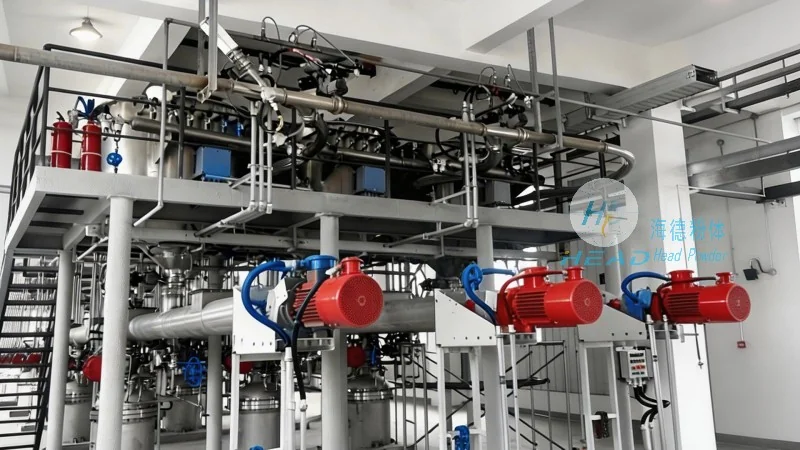
Nevertheless, belt conveyors have limitations when used with tungsten carbide. The high hardness of the material can cause excessive wear on the belt and rollers, leading to increased maintenance costs and downtime. The friction between the material and the belt can generate heat, potentially damaging the brittle tungsten carbide particles. Moreover, belt conveyors are not suitable for vertical transport, as the material may slip or fall off the belt. For applications requiring vertical movement or high precision, alternative methods may be more appropriate.
5. Comparison and Recommendations
When selecting a conveying method for tungsten carbide, it is essential to consider the specific requirements of the application. The choice should balance factors such as material characteristics, operational efficiency, maintenance costs, and safety. Here is a summary of the key advantages and disadvantages of the common methods:
Screw Conveyors: Simple design, low maintenance, flexible layout. Disadvantages: High wear on equipment, heat generation, unsuitable for fine powders.
Vibrating Conveyors: Reduced wear, enclosed design, versatile layout. Disadvantages: Material degradation from vibration, noise, higher maintenance.
Pneumatic Conveying: Handles fine powders, flexible layout, high speed. Disadvantages: High wear on pipeline, clogging risk, high energy consumption.
Belt Conveyors: High throughput, simple operation, enclosed design. Disadvantages: High wear on belt and rollers, heat generation, unsuitable for vertical transport.
For applications involving fine tungsten carbide powders and a need for minimal material degradation, vibrating conveyors or pneumatic systems are often preferred. Screw conveyors may be suitable for larger chunks or less abrasive materials, while belt conveyors are ideal for bulk handling and finished product transport. Ultimately, the best conveying method depends on the specific operational needs and budget constraints of the industrial facility.
Conclusion
Proper selection of a tungsten carbide conveying method is critical to ensure efficient, safe, and cost-effective material handling. Each method has its unique advantages and disadvantages, and the choice should be based on a thorough analysis of the material properties, processing requirements, and operational environment. By understanding the characteristics of each conveying system, industrial operators can make informed decisions that optimize performance and minimize risks. As a leading provider of tungsten carbide processing solutions, Shandong HeadPowder Engineering Co., Ltd. offers expertise and equipment tailored to meet the diverse needs of the industry, ensuring reliable and efficient material transport for its clients.

 Shandong Headpowder Engineering Co., Ltd.
 156-6277-7102(Quản lý Trương)
  0531-83386006
  Thành phố Tế Nam, Tỉnh Sơn Đông, Trung Quốc
Điện thoại
WeChatTư vấn
Lên đầu