

Comparison of Common Zinc Oxide Transportation Methods: Advantages and Disadvantages
When it comes to the transportation of zinc oxide, selecting the right method is crucial for ensuring product quality, efficiency, and safety. As a leading provider in the field, Shandong HeadPowder Engineering Co., Ltd. (hereinafter referred to as HeadPowder) has extensive experience in handling various zinc oxide transportation scenarios. This article aims to provide a comprehensive comparison of common zinc oxide transportation methods, highlighting their advantages and disadvantages to assist clients in making informed decisions.
Overview of Zinc Oxide Transportation Methods
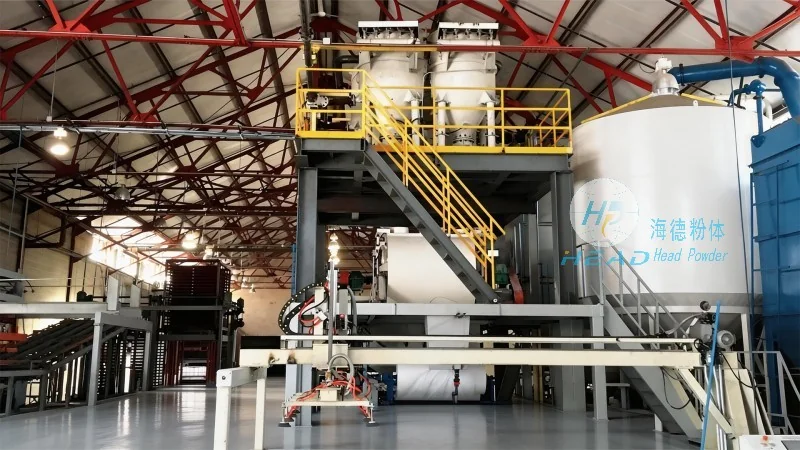
Zinc oxide is widely used in industries such as pharmaceuticals, rubber, and ceramics, making its reliable transportation essential. The primary methods for transporting zinc oxide include bulk shipping via trucks, railcars, and ships, as well as specialized handling techniques like pneumatic conveying and vacuum loading. Each method has its own set of characteristics that influence its suitability for different applications and operational environments.
1. Truck Transportation

Truck transportation is one of the most common methods for zinc oxide delivery, especially for short to medium distances. This method offers flexibility and can reach various locations, including remote areas or industrial sites. The advantages of truck transport include quick delivery times, the ability to handle varying load sizes, and the convenience of door-to-door service. However, it also has limitations, such as higher fuel costs, potential for traffic delays, and the need for proper loading and unloading equipment to prevent dust generation and material loss. Additionally, trucking may not be the most cost-effective option for large-scale, long-distance shipments.
2. Rail Transportation
Rail transportation is an efficient and cost-effective solution for transporting zinc oxide over long distances, particularly when dealing with bulk quantities. Trains can carry large volumes of material, reducing the number of trips required compared to trucks. The advantages of rail transport include lower fuel consumption per ton-mile, reduced traffic congestion, and the ability to handle heavy loads without the risk of road wear. However, rail transportation has its drawbacks, including longer transit times due to fixed schedules and limited access to certain destinations. Moreover, the infrastructure requirements, such as rail lines and loading facilities, may be a significant investment for some companies.
3. Ship Transportation

For international and intercontinental zinc oxide shipments, sea transport is often the most economical choice. Large cargo ships can carry massive volumes of material, making it ideal for global supply chains. The advantages of ship transport include the lowest cost per ton-mile for long distances, the ability to handle oversized or heavy loads, and the reduced risk of damage compared to other modes of transport. However, it also has significant disadvantages, such as longer transit times (often weeks or months), the need for specialized loading and unloading equipment, and the vulnerability to weather conditions and port delays. Additionally, shipping may require additional handling steps, such as transshipment at intermediate ports, which can increase the risk of contamination or loss.
4. Pneumatic Conveying
Pneumatic conveying systems use air pressure to transport zinc oxide through a network of pipes. This method is particularly suitable for handling fine powders and can be used for both short and long distances within a facility or between nearby locations. The advantages of pneumatic conveying include high efficiency, the ability to transport materials in a closed system to prevent dust contamination, and the flexibility to integrate with existing production lines. However, it has limitations, such as the need for high air pressure, potential for material degradation due to friction, and the risk of system blockages if the material is too abrasive or contains moisture. Proper maintenance and system design are critical to ensure reliable operation.

5. Vacuum Loading
Vacuum loading is a specialized method used to transfer zinc oxide from storage silos or containers into trucks or railcars. This technique creates a vacuum to draw the material through a hose, eliminating the need for manual shoveling or mechanical loading equipment. The advantages of vacuum loading include reduced labor costs, improved safety by minimizing dust exposure, and the ability to handle large volumes quickly. However, it has its drawbacks, including the requirement for specialized equipment and trained personnel, potential for material loss if the vacuum system is not properly sealed, and the limitation of handling only dry, free-flowing powders.
Conclusion and Recommendations
Choosing the appropriate zinc oxide transportation method depends on several factors, including the quantity of material, distance, budget, and operational requirements. Truck transportation is ideal for short distances and flexible delivery, while rail and ship transport are more suitable for bulk, long-distance shipments. Pneumatic conveying and vacuum loading are specialized methods that offer efficiency and safety advantages for specific applications. Shandong HeadPowder Engineering Co., Ltd. provides comprehensive solutions tailored to these needs, ensuring that clients can select the most effective transportation method for their zinc oxide products. By understanding the advantages and disadvantages of each method, businesses can optimize their supply chain, reduce costs, and maintain product quality throughout the transportation process.