Chuyên sâu trong lĩnh vực vật liệu rời công nghiệp, cung cấp giải pháp môi trường thông minh tích hợp cho phối trộn tự động, cấp liệu tập trung, khử lưu huỳnh và khử nitơ khô!
When it comes to handling corn in agricultural and industrial settings, selecting the right conveying method is crucial for efficiency, cost-effectiveness, and operational safety. Various technologies are available, each with its own set of advantages and disadvantages. This article provides a detailed comparison of common corn conveying methods, helping you make an informed decision for your specific needs. HeadPowder Engineering, a leading provider of grain handling solutions, offers expertise in selecting and implementing the most suitable corn conveying systems for your operations.
Overview of Corn Conveying Methods
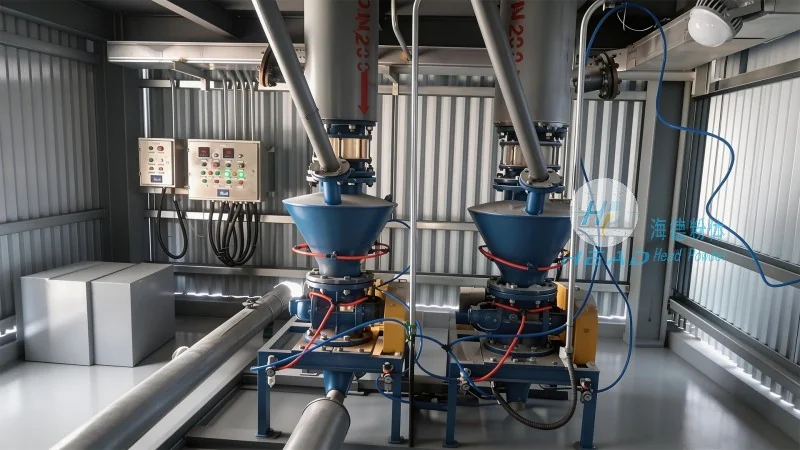
Before diving into the specifics, it's important to understand the primary types of corn conveying systems. These systems are designed to transport corn from one location to another, often within processing facilities, storage silos, or during harvesting operations. The choice of method depends on factors such as the volume of corn, the distance to be covered, the physical characteristics of the corn (e.g., moisture content, size, and shape), and the budget available for equipment and maintenance.
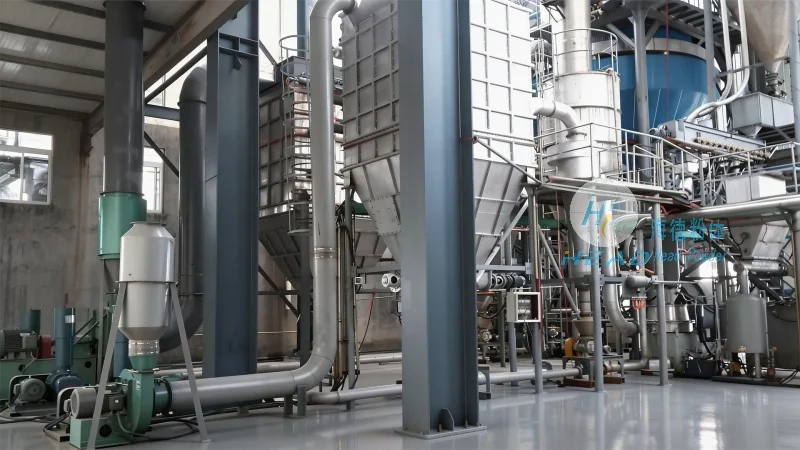
1. Bucket Elevator (Chain and Flight Conveyors)
Bucket elevators are among the most widely used corn conveying systems, particularly in grain handling and processing plants. These vertical or inclined conveyors use a continuous chain with attached buckets to lift and transport corn from a lower to a higher level. The primary advantage of bucket elevators is their high capacity and ability to handle large volumes of corn efficiently. They are also relatively simple in design, making them easy to install and maintain. However, they have some drawbacks. For instance, they can be noisy and may cause some corn damage due to the impact of buckets on the corn. Additionally, the equipment can be expensive to purchase and maintain, especially for large-scale operations.
2. Screw Conveyor (Auger Conveyor)

Screw conveyors, also known as auger conveyors, are another common option for corn transport. These systems consist of a rotating screw (auger) inside a cylindrical tube, which moves corn along the length of the conveyor. Screw conveyors are ideal for horizontal or slightly inclined transport, and they can handle both dry and moist corn. One of the key advantages is their simplicity and low maintenance requirements. They are also relatively inexpensive compared to other options. However, screw conveyors have limitations. They are not suitable for vertical lifting, and they can cause more wear and tear on the corn due to the friction between the screw and the corn. This may lead to increased breakage and loss of quality.
3. Pneumatic Conveying System
Pneumatic conveying systems use air pressure to transport corn through a pipeline. This method is often used for long-distance or high-rise transport, as it can move corn vertically and horizontally with ease. The main advantage of pneumatic systems is their ability to handle corn over long distances without the need for multiple transfer points. They also provide a relatively clean and dust-free environment, which is beneficial for food processing applications. However, pneumatic conveying has its disadvantages. The systems require high air pressure, which increases energy consumption and operational costs. Additionally, they can be prone to clogging if the corn is too wet or contains foreign materials. Maintenance of the air filtration and pipeline systems is also more complex compared to other methods.
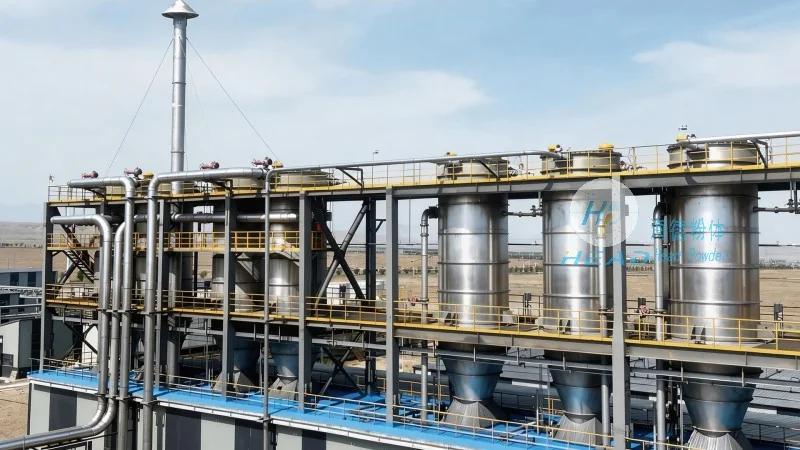
4. Belt Conveyor
Belt conveyors are versatile and widely used in various industries, including corn handling. These systems use a continuous belt that moves over rollers to transport corn. Belt conveyors are suitable for both horizontal and inclined transport and can handle large volumes of corn. They are also relatively easy to install and maintain. However, they have some limitations. Belt conveyors are not as efficient for vertical lifting as bucket elevators and may require additional equipment for elevation changes. They can also be affected by the corn's moisture content, as wet corn may cause the belt to slip or stretch over time. Regular tensioning and replacement of the belt are necessary to ensure smooth operation.

 Shandong Headpowder Engineering Co., Ltd.
 156-6277-7102(Quản lý Trương)
  0531-83386006
  Thành phố Tế Nam, Tỉnh Sơn Đông, Trung Quốc
Điện thoại
WeChatTư vấn
Lên đầu