

Comparison of Common Soybean Meal Conveying Methods: Advantages and Disadvantages
When it comes to transporting soybean meal, selecting the right conveying method is crucial for efficiency, cost-effectiveness, and operational safety. Various options are available, each with its own set of advantages and disadvantages. This article provides a detailed comparison of common soybean meal conveying methods, helping you make an informed decision for your industrial needs.
Overview of Soybean Meal Conveying Methods
Soybean meal, a byproduct of soybean oil extraction, is widely used in animal feed, food production, and industrial applications. Efficient and reliable transportation of this material is essential to maintain production flow and minimize downtime. The choice of conveying method depends on factors such as material characteristics, plant layout, budget, and required throughput. Common methods include mechanical conveyors, pneumatic systems, and hydraulic solutions. Each method has specific applications and performance characteristics that influence its suitability for different scenarios.
1. Belt Conveyor (Belt Conveyor System)
A belt conveyor is a continuous system that uses a moving belt to transport soybean meal from one point to another. This method is widely used in bulk material handling due to its simplicity and high capacity. The belt conveyor consists of a long belt supported by rollers, with the material placed on the belt and carried along its path. Advantages of belt conveyors include high throughput, low maintenance costs, and the ability to handle large volumes of material. They are also suitable for long-distance transport and can be integrated with other equipment like elevators or feeders. However, belt conveyors have some limitations. They require a relatively flat or gently sloping surface, which may not be feasible in all plant layouts. Additionally, they can be prone to material spillage and require regular cleaning to prevent buildup and contamination. Belt conveyors are particularly effective for horizontal or slightly inclined transport over short to medium distances.
2. Screw Conveyor (Auger Conveyor)
A screw conveyor, also known as an auger conveyor, uses a rotating screw to move soybean meal through a tube or trough. This method is ideal for vertical or inclined transport and is commonly used in feed mills and processing plants. The screw, which is typically made of stainless steel or other corrosion-resistant materials, rotates and pushes the material forward. Screw conveyors offer several benefits, including compact design, low power consumption, and the ability to handle a wide range of materials, including those with high moisture content. They are also relatively easy to install and maintain. However, screw conveyors have some drawbacks. They are not suitable for very fine or powdery materials, as they can cause excessive friction and wear. Additionally, they may experience blockages if the material is too dense or contains large particles. Screw conveyors are best suited for moderate to high-capacity applications where the material is relatively dry and free-flowing.
3. Pneumatic Conveying System (Air-Driven Conveyor)
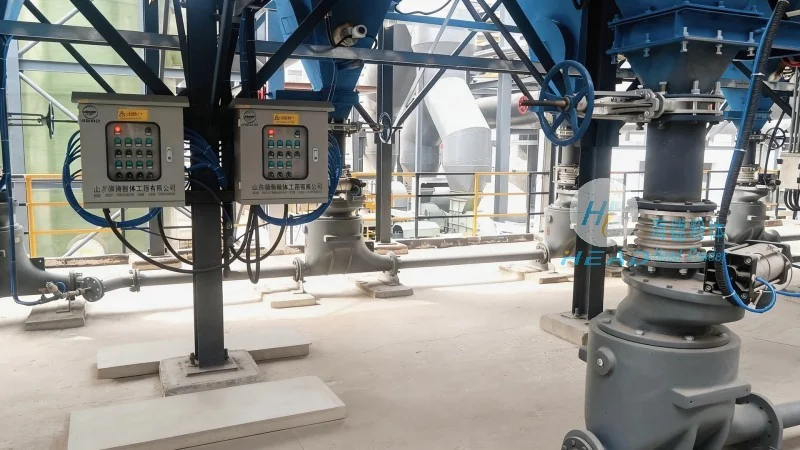
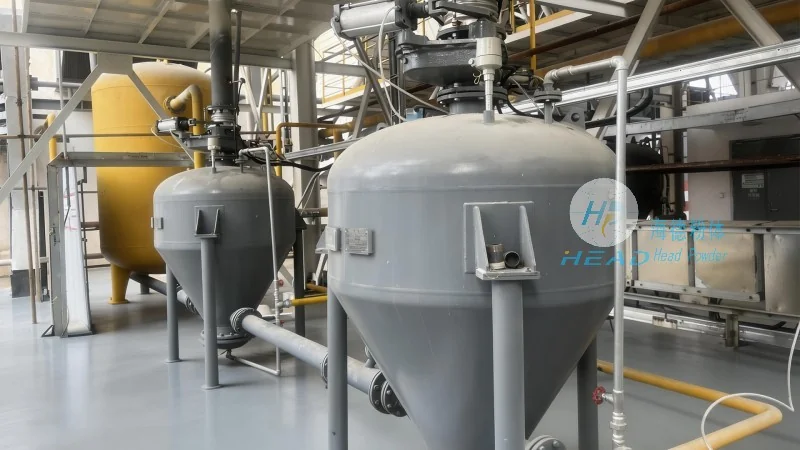
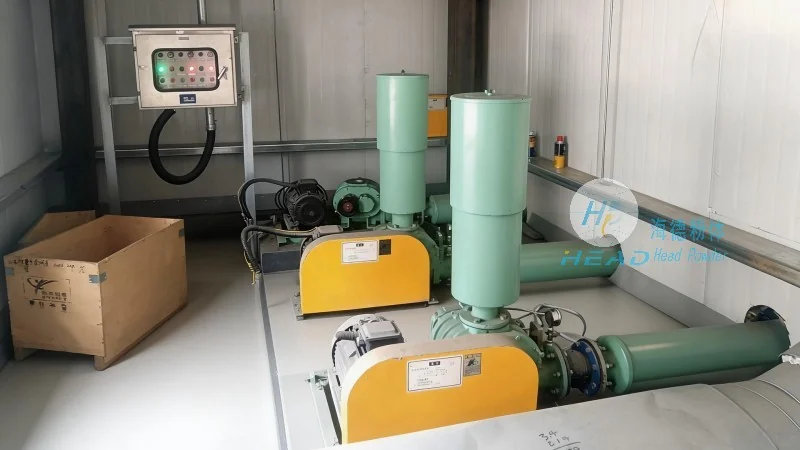
Pneumatic conveying systems use air or other gases to transport soybean meal in a pipeline. This method is highly flexible and can be used for both horizontal and vertical transport over long distances. The system consists of a hopper, a blower, and a pipeline network. The material is loaded into the hopper and then drawn into the pipeline by the air flow, which carries it to the destination. Pneumatic conveying offers several advantages, including the ability to transport material through multiple points, minimal spillage, and the option to integrate with other processing equipment. It is also suitable for handling fine powders and can be used in environments where dust control is critical. However, pneumatic systems have some limitations. They require higher energy consumption compared to mechanical conveyors, as the blower must generate sufficient air pressure to move the material. Additionally, they may be less efficient for very heavy or dense materials, as the air flow may not be sufficient to maintain consistent transport. Pneumatic conveying is particularly effective for applications requiring dust-free transport or when the material needs to be distributed to multiple locations.
4. Bucket Elevator (Vertical Conveyor)
A bucket elevator is a vertical conveyor system that uses a series of buckets attached to a belt or chain to lift and transport soybean meal from a lower to a higher level. This method is commonly used in feed mills and processing plants where vertical transport is necessary. The buckets are filled with material at the bottom and then travel up the conveyor, emptying at the top. Bucket elevators offer high vertical lift capabilities and can handle large volumes of material. They are also relatively compact and can be installed in tight spaces. However, bucket elevators have some disadvantages. They require regular maintenance to ensure the buckets and drive system are in good working condition. Additionally, they can be prone to material spillage at the loading and unloading points, which may lead to contamination. Bucket elevators are best suited for applications requiring vertical transport over significant heights, such as feeding silos or storage bins.
5. Hydraulic Conveyor (Hydraulic Lift System)
A hydraulic conveyor uses hydraulic power to lift and transport soybean meal. This method is typically used for vertical or inclined transport and is often employed in applications where mechanical or pneumatic systems are not feasible. The system consists of a hydraulic cylinder, a pump, and a control valve. The hydraulic cylinder lifts the material through a trough or pipeline, and the pump provides the necessary force to move it. Hydraulic conveyors offer advantages such as smooth operation, low noise levels, and the ability to handle heavy loads. They are also relatively easy to control and can be adjusted to accommodate varying material volumes. However, hydraulic systems have some limitations. They require regular maintenance of hydraulic components, such as pumps and cylinders, to prevent leaks and ensure proper operation. Additionally, they may be more expensive to install and maintain compared to other conveyor types. Hydraulic conveyors are particularly effective for applications requiring precise control over material movement, such as in automated feed systems.
Factors to Consider When Choosing a Conveying Method
When selecting a soybean meal conveying method, several factors must be considered to ensure optimal performance and cost-effectiveness. The first factor is the material characteristics, including particle size, moisture content, and bulk density. For example, fine powders may be better suited for pneumatic or screw conveyors, while larger particles may require belt or bucket elevators. The second factor is the plant layout and available space. If the plant has limited horizontal or vertical space, a compact system like a screw conveyor or hydraulic lift may be more appropriate. The third factor is the required throughput and distance of transport. High-throughput applications over long distances may benefit from belt conveyors or pneumatic systems, while low-throughput applications over short distances may use screw or bucket elevators. The fourth factor is the budget and maintenance requirements. Mechanical systems like belt or screw conveyors may have lower initial costs and maintenance expenses compared to pneumatic or hydraulic systems. Finally, the environmental and safety considerations, such as dust control and material containment, should also be evaluated. For example, pneumatic systems can help minimize dust exposure, while enclosed conveyors can prevent material spillage and contamination.
Conclusion
Selecting the right soybean meal conveying method is a critical decision that impacts the efficiency and profitability of your operation. By understanding the advantages and disadvantages of each method, you can choose the most suitable option for your specific needs. Whether you opt for a belt conveyor, screw conveyor, pneumatic system, bucket elevator, or hydraulic conveyor, it is essential to consider factors such as material characteristics, plant layout, throughput, budget, and safety. Shandong HeadPowder Engineering Co., Ltd., a leading provider of bulk material handling solutions, offers a range of conveying systems tailored to meet the diverse needs of industrial applications. With our expertise and commitment to quality, we can help you select and implement the most effective conveying method for your soybean meal processing operations. Contact us today to learn more about our products and services.