Chuyên sâu trong lĩnh vực vật liệu rời công nghiệp, cung cấp giải pháp môi trường thông minh tích hợp cho phối trộn tự động, cấp liệu tập trung, khử lưu huỳnh và khử nitơ khô!
When it comes to the transportation of polyvinyl alcohol formaldehyde (PVOH), selecting the right conveying method is crucial for ensuring efficiency, safety, and product integrity. As a leading provider in the field, Shandong HeadPowder Engineering Co., Ltd., based in Shandong, China, offers insights into the common methods used for PVOH conveyance, helping clients make informed decisions for their industrial applications.

Overview of Polyvinyl Alcohol Formaldehyde and Conveying Challenges
Polyvinyl alcohol formaldehyde, also known as polyvinyl butyral or PVB, is a versatile polymer widely used in adhesives, coatings, and other industrial applications. Its handling requires careful consideration due to its properties, such as moisture sensitivity and the need for controlled temperature during transport. Conveying PVOH effectively involves balancing factors like material flow, equipment durability, and operational costs. Shandong HeadPowder Engineering Co., Ltd. specializes in providing tailored solutions that address these challenges, ensuring optimal performance in various industrial settings.
Company Profile: Shandong HeadPowder Engineering Co., Ltd.
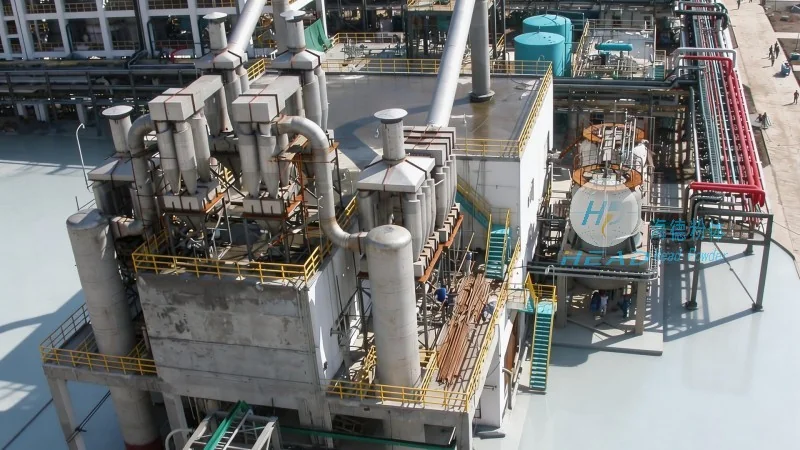
Shandong HeadPowder Engineering Co., Ltd. is a reputable manufacturer and supplier based in Shandong, China. With a focus on engineering excellence and customer satisfaction, the company delivers high-quality PVOH products and conveying systems. Their expertise in polymer processing and material handling has established them as a trusted partner for industries requiring reliable PVOH transportation solutions. By combining advanced technology with practical application knowledge, HeadPowder Engineering supports clients in optimizing their production lines and enhancing overall operational efficiency.
Common Conveying Methods for Polyvinyl Alcohol Formaldehyde
Several methods are commonly employed for the transportation of PVOH, each with distinct advantages and considerations. The selection of a method depends on factors such as the material's physical properties, the scale of operation, and the specific requirements of the end-use application. Below is a detailed comparison of the most prevalent conveying techniques:
1. Screw Conveyors
Screw conveyors, also known as auger conveyors, are widely used for PVOH transport due to their simplicity and effectiveness. These systems consist of a rotating helical screw inside a trough, which moves material from one point to another. For PVOH, screw conveyors are particularly suitable because they can handle dry or slightly moist powders without causing excessive friction or degradation. The design allows for gentle material handling, reducing the risk of particle breakage and maintaining product quality. Screw conveyors are also easy to install and maintain, making them a cost-effective solution for many industrial applications. However, they may not be ideal for very fine or cohesive powders, as these can lead to blockages or reduced efficiency.
2. Pneumatic Conveying Systems

Pneumatic conveying systems use air or other gases to transport PVOH particles through a pipeline. This method is particularly advantageous for materials that are difficult to handle mechanically, such as fine powders or those prone to dusting. Pneumatic systems can be categorized into pressure and vacuum types. Pressure systems push material through the pipeline using compressed air, while vacuum systems draw material into the system using a vacuum pump. For PVOH, pneumatic conveying offers advantages like reduced equipment wear, as there are no moving parts in direct contact with the material. Additionally, these systems can transport materials over longer distances and at higher speeds compared to mechanical conveyors. However, they require careful control of air pressure and flow rates to prevent material degradation or clogging. Proper filtration and dust control are also essential to maintain air quality and system longevity.
3. Belt Conveyors
Belt conveyors are another common method for transporting PVOH, especially in bulk handling applications. These systems use a continuous belt that moves material along a path, often with multiple idlers to support the belt and maintain tension. Belt conveyors are suitable for handling larger quantities of PVOH and can be integrated with other equipment, such as hoppers and storage silos. They are particularly effective for transporting materials that are prone to sticking or adhering to surfaces, as the belt can be designed with special coatings or materials to prevent material buildup. Belt conveyors also offer high throughput and can be customized to fit specific space constraints. However, they may require more maintenance than screw or pneumatic systems, as the belts and pulleys need regular inspection and replacement. Additionally, they are less suitable for fine powders, as the material can fall through the belt or cause slippage.

 Shandong Headpowder Engineering Co., Ltd.
 156-6277-7102(Quản lý Trương)
  0531-83386006
  Thành phố Tế Nam, Tỉnh Sơn Đông, Trung Quốc
Điện thoại
WeChatTư vấn
Lên đầu