Chuyên sâu trong lĩnh vực vật liệu rời công nghiệp, cung cấp giải pháp môi trường thông minh tích hợp cho phối trộn tự động, cấp liệu tập trung, khử lưu huỳnh và khử nitơ khô!
Desulfurization sodium bicarbonate, also known as sodium bicarbonate for flue gas desulfurization, is a critical chemical in industrial processes aimed at reducing sulfur dioxide emissions. The efficient transport of this chemical is essential for maintaining the performance and reliability of desulfurization systems. This article provides a detailed comparison of common transport methods used for desulfurization sodium bicarbonate, focusing on their applications, advantages, and considerations.
Overview of Desulfurization Sodium Bicarbonate Transport
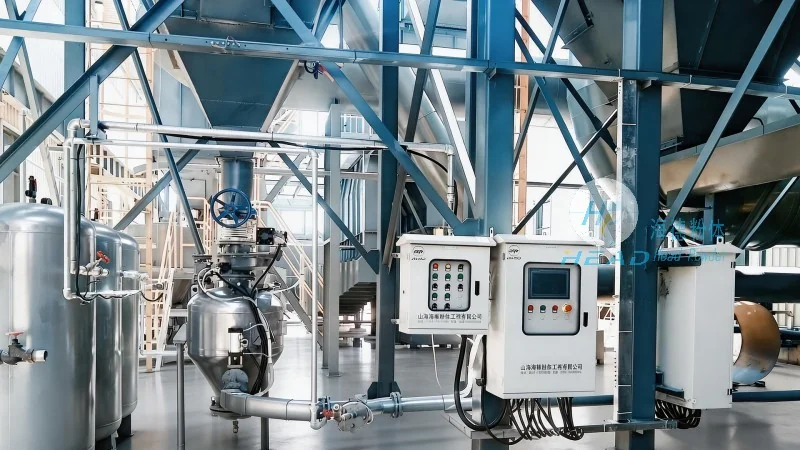
Desulfurization sodium bicarbonate is typically transported from storage facilities to the desulfurization system via various methods. The choice of transport method depends on factors such as the scale of the operation, the distance between storage and the system, the required flow rate, and the physical properties of the sodium bicarbonate solution. Common transport methods include pump systems, gravity-fed pipelines, and pressure-fed systems. Each method has its own set of advantages and potential drawbacks, which are discussed below.
Pump Systems for Desulfurization Sodium Bicarbonate Transport
Pump systems are widely used for the transport of desulfurization sodium bicarbonate due to their ability to handle varying flow rates and pressures. Centrifugal pumps and positive displacement pumps are the most common types employed in industrial applications. Centrifugal pumps are suitable for large volumes and moderate pressures, making them ideal for transporting sodium bicarbonate solutions over longer distances. Positive displacement pumps, such as gear pumps or piston pumps, are preferred when precise flow control is required, especially in systems where the solution needs to be delivered at a consistent rate to the desulfurization reactor. The choice between these pump types often depends on the viscosity of the sodium bicarbonate solution and the system's pressure requirements.

Gravity-Fed Pipeline Transport
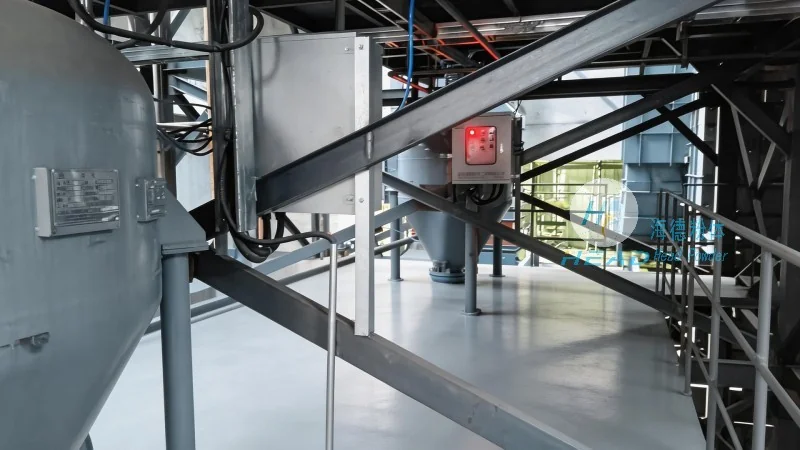
Gravity-fed pipeline transport is a cost-effective method for moving desulfurization sodium bicarbonate when the storage tank is located at a higher elevation than the desulfurization system. In this setup, the chemical flows through pipelines under the influence of gravity, eliminating the need for mechanical pumps. This method is particularly advantageous in plants where the vertical distance between the storage and the system is sufficient to generate the necessary head pressure. Gravity-fed systems are simple to install and maintain, with minimal energy consumption, as they rely on the natural force of gravity. However, their application is limited to scenarios where the elevation difference is adequate, and the flow rate is not too high. If the vertical distance is insufficient or the required flow rate is high, additional pumping may be necessary to supplement the gravity flow.
Pressure-Fed Transport Systems
Pressure-fed transport systems utilize compressed air or nitrogen to push the desulfurization sodium bicarbonate through pipelines. This method is commonly used in systems where the chemical needs to be transported over long distances or through complex piping networks. The pressure-fed system typically includes a storage tank, a pressure vessel, and a pipeline network. The sodium bicarbonate is stored under pressure in the tank, and the pressure is maintained by a compressor or nitrogen gas. The chemical is then forced through the pipeline to the desulfurization system. This method ensures a consistent flow rate and can handle high pressures, making it suitable for large-scale industrial applications. However, pressure-fed systems require regular maintenance of the pressure vessels and compressors to ensure safe and efficient operation.
Key Considerations for Selecting a Transport Method

When selecting a transport method for desulfurization sodium bicarbonate, several factors must be considered to ensure optimal performance and cost-effectiveness. The first consideration is the flow rate and pressure requirements of the desulfurization system. The transport method must be capable of delivering the required volume of sodium bicarbonate at the appropriate pressure to maintain the system's efficiency. Second, the physical properties of the sodium bicarbonate solution, such as its viscosity and density, play a crucial role in determining the suitability of a transport method. For example, high-viscosity solutions may require positive displacement pumps to ensure proper flow. Third, the distance and elevation between the storage and the desulfurization system influence the choice of method. Gravity-fed systems are ideal for short vertical distances, while pump systems are necessary for longer horizontal distances or when elevation is insufficient. Finally, the cost of installation, operation, and maintenance must be evaluated. Pump systems may have higher initial costs but lower long-term operating costs compared to gravity-fed systems, which have lower initial costs but may require additional pumping for certain conditions.
Conclusion
In conclusion, the transport of desulfurization sodium bicarbonate is a critical aspect of flue gas desulfurization systems, and the choice of transport method significantly impacts the system's performance and efficiency. Pump systems offer flexibility and control, while gravity-fed and pressure-fed systems provide cost-effective alternatives under specific conditions. By carefully evaluating the flow rate, pressure requirements, physical properties of the solution, and the layout of the plant, industrial operators can select the most suitable transport method for their desulfurization sodium bicarbonate system. Proper selection and maintenance of the transport system ensure reliable operation and contribute to the overall effectiveness of the flue gas desulfurization process.

 Shandong Headpowder Engineering Co., Ltd.
 156-6277-7102(Quản lý Trương)
  0531-83386006
  Thành phố Tế Nam, Tỉnh Sơn Đông, Trung Quốc
Điện thoại
WeChatTư vấn
Lên đầu