Chuyên sâu trong lĩnh vực vật liệu rời công nghiệp, cung cấp giải pháp môi trường thông minh tích hợp cho phối trộn tự động, cấp liệu tập trung, khử lưu huỳnh và khử nitơ khô!
When it comes to handling and transporting urea granules in industrial settings, selecting the right conveying method is crucial for efficiency, cost-effectiveness, and operational safety. This article provides a detailed comparison of the most common urea granule conveying methods, helping businesses make informed decisions based on their specific needs and operational requirements.
Overview of Urea Granule Conveying
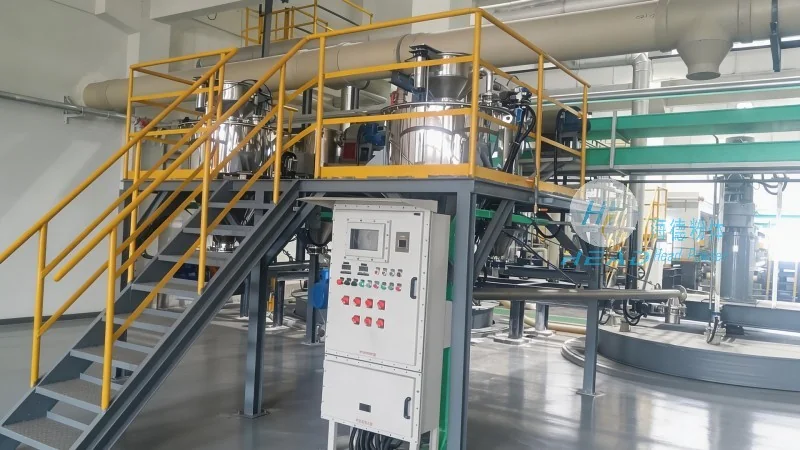
Urea granules are widely used in agriculture and industry as a nitrogen fertilizer and chemical feedstock. Their handling requires specialized equipment due to their size, density, and potential for dust generation. Conveying systems must be designed to minimize product degradation, prevent clogging, and ensure consistent flow. The choice of conveying method depends on factors such as material volume, distance, vertical or horizontal transport requirements, and environmental considerations.
1. Screw Conveyors (Auger Conveyors)

Screw conveyors are one of the most traditional and widely used methods for transporting urea granules. These systems consist of a rotating helical screw inside a U-shaped or tubular housing. As the screw rotates, it pushes the granules forward, making them suitable for both horizontal and slight incline transport. Screw conveyors are particularly effective for short to medium distances and can handle a wide range of bulk materials, including urea granules. They are relatively low-cost, easy to install, and can be integrated with other processing equipment. However, they may experience clogging if the urea granules are too fine or have high moisture content, and they are less efficient for long vertical lifts.
2. Pneumatic Conveying Systems
Pneumatic conveying systems use air or other gases to transport urea granules through a pipeline. These systems can be categorized into pressure and vacuum types. Pressure systems push the material with compressed air, while vacuum systems draw it using a vacuum pump. Pneumatic conveying offers several advantages, including the ability to transport materials over long distances (both horizontal and vertical), minimal product degradation, and the integration of dust collection systems. However, they require higher energy input compared to mechanical systems and may be less suitable for very fine or cohesive urea granules that tend to settle or clog the pipeline. Proper system design, including adequate air velocity and pipeline sizing, is critical to ensure smooth operation.
3. Belt Conveyors
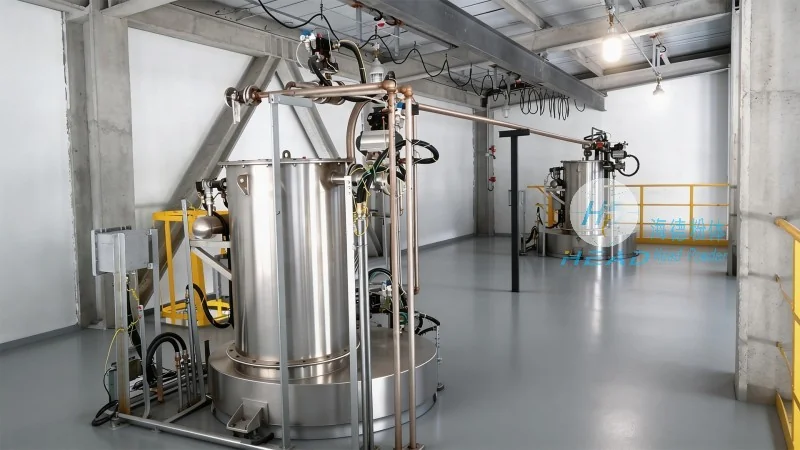
Belt conveyors are another common method for transporting urea granules, especially in large-scale operations. These systems consist of a continuous belt that moves over rollers or pulleys, carrying the granules from one point to another. Belt conveyors are highly efficient for long horizontal distances and can handle high volumes of material. They are durable, low-maintenance, and can be equipped with various accessories such as feeders, elevators, and transfer points. However, they require significant space and may not be suitable for vertical transport or tight spaces. Additionally, belt conveyors need regular maintenance to prevent belt wear and slippage, and they may generate more dust compared to enclosed systems.
4. Bucket Elevators
Bucket elevators are specialized vertical or inclined conveyors that use a series of buckets attached to a chain or belt to lift urea granules. The buckets scoop up the material at the bottom and discharge it at the top, making them ideal for vertical transport or steep inclines. Bucket elevators are highly efficient for vertical lifts and can handle large volumes of material with minimal space requirements. They are particularly suitable for urea granules that need to be elevated to higher levels for storage or processing. However, they are more complex and expensive to install compared to other systems, and they require regular maintenance to ensure the buckets and drive mechanisms operate smoothly. Proper bucket design and spacing are crucial to prevent material spillage and ensure consistent flow.
5. Chain Conveyors

Chain conveyors use a series of connected links or chains to transport urea granules. These systems can be designed as flat or troughed conveyors and are suitable for both horizontal and inclined transport. Chain conveyors are robust and can handle heavy loads, making them ideal for industrial applications where durability is a priority. They are often used in combination with other equipment, such as feeders or sorters, to enhance material handling efficiency. However, they may be less efficient for very fine or cohesive urea granules that can stick to the chain or cause wear. Proper chain tensioning and lubrication are essential to maintain smooth operation and prevent breakdowns.
Factors to Consider When Choosing a Conveying Method
When selecting a urea granule conveying method, several factors must be considered to ensure optimal performance and cost-effectiveness. These include the distance and direction of transport (horizontal, vertical, or both), the volume of material to be handled, the physical properties of the urea granules (size, density, moisture content, and cohesive tendency), the available space and layout of the facility, and the budget constraints. Additionally, environmental regulations and safety considerations, such as dust control and noise reduction, should be taken into account. For example, if the urea granules are prone to dust generation, a closed system like a pneumatic conveyor or a covered belt conveyor may be preferred. If the facility has limited vertical space, a bucket elevator or a vertical screw conveyor might be more suitable.
Conclusion
Choosing the right urea granule conveying method is a critical decision for industrial operations, as it directly impacts productivity, safety, and operational costs. Each method has its strengths and limitations, and the best choice depends on the specific requirements of the application. By carefully evaluating factors such as distance, material properties, and operational constraints, businesses can select a conveying system that maximizes efficiency and minimizes downtime. For more information on specialized urea granule conveying solutions, contact Shandong HeadPowder Engineering Co., Ltd., a leading provider of bulk material handling equipment with years of experience in the industry.

 Shandong Headpowder Engineering Co., Ltd.
 156-6277-7102(Quản lý Trương)
  0531-83386006
  Thành phố Tế Nam, Tỉnh Sơn Đông, Trung Quốc
Điện thoại
WeChatTư vấn
Lên đầu