Chuyên sâu trong lĩnh vực vật liệu rời công nghiệp, cung cấp giải pháp môi trường thông minh tích hợp cho phối trộn tự động, cấp liệu tập trung, khử lưu huỳnh và khử nitơ khô!
Drug particle delivery is a critical aspect of pharmaceutical manufacturing, influencing the efficacy, stability, and patient compliance of medications. The choice of delivery method significantly impacts the final product's properties, such as particle size, shape, and surface characteristics. This article provides a detailed comparison of common drug particle delivery methods, focusing on their principles, applications, and advantages.
Introduction to Drug Particle Delivery Methods
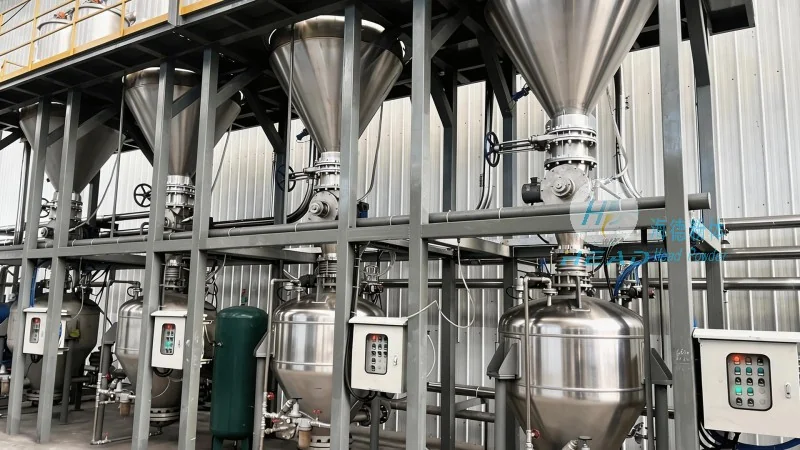
Drug particle delivery methods are diverse and tailored to specific pharmaceutical needs. Each technique offers unique benefits and is selected based on factors like drug solubility, stability, and the desired final product characteristics. The following sections explore several widely used methods, highlighting their operational principles and typical applications.
1. Spray Drying
Spray drying is a widely adopted technique for producing dry powder particles from liquid solutions or slurries. In this process, the feed material is atomized into a fine mist and sprayed into a hot drying chamber. The droplets rapidly evaporate, forming solid particles that are collected as a dry powder. This method is particularly effective for heat-sensitive materials and is commonly used in the production of instant powders and inhalation formulations. The resulting particles typically exhibit a narrow size distribution and a porous structure, enhancing their flowability and dissolution rate.
2. Fluidized Bed Granulation
Fluidized bed granulation, also known as top-spray or bottom-spray granulation, involves the formation of granules by spraying a liquid binder onto a bed of dry powder particles that are suspended in a fluidized state. The fluidizing air maintains the particles in a suspended condition, allowing the binder to coat and agglomerate them into larger granules. This technique is versatile and can be used for both wet and dry granulation processes. It is widely used in the production of tablets and capsules, where uniform granules are essential for consistent drug release. The method allows for real-time control of granule size and density, ensuring product quality.
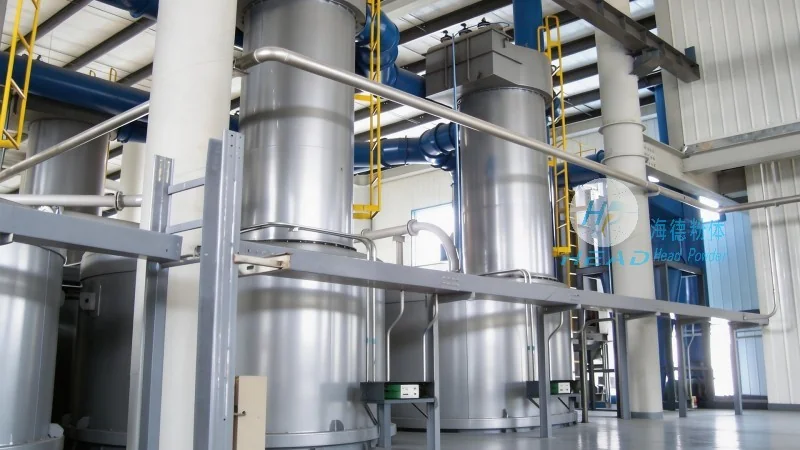
3. Extrusion and Spheronization
Extrusion and spheronization is a two-step process used to produce spherical granules or pellets. The first step involves forcing a moist powder mixture through an extrusion die, forming cylindrical or ribbon-like strands. These strands are then cut into small pieces and spheronized in a rotating drum, where they are rolled into spherical shapes. This method is advantageous for creating uniform, free-flowing particles with improved compressibility. It is commonly employed in the production of granules for direct compression tablets and oral dosage forms. The resulting particles exhibit excellent flow properties and can be easily processed into final dosage forms.
4. High-Shear Mixing Granulation
High-shear mixing granulation utilizes a high-shear mixer to combine dry powders and a liquid binder, forming granules through intensive mixing and shear forces. The process involves adding the liquid binder gradually to the powder bed while the mixer agitates at high speeds, promoting uniform wetting and granule formation. This technique is suitable for a wide range of materials and is often used for the production of granules with high drug loadings. The resulting granules are typically dense and have good compressibility, making them ideal for tablet manufacturing. The method allows for precise control over granule size and moisture content, ensuring consistent product performance.
5. Spray Coating (for Tablet Coating)
Spray coating is a specialized technique used to apply a thin film coating to tablets or granules. The coating material, typically a polymer solution, is atomized and sprayed onto the surface of the dosage form while it is rotated or tumbled in a coating chamber. This process is commonly used to improve tablet appearance, mask unpleasant tastes, or provide enteric protection. The coating also helps in controlling the release of the drug by creating a barrier that is broken down under specific conditions. The method ensures uniform coating thickness and surface smoothness, enhancing the product's aesthetic and functional properties.
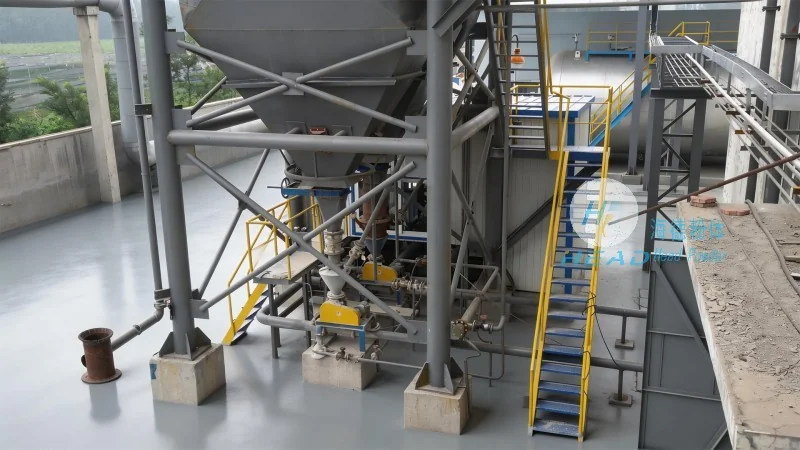
Company Profile: Shandong HeadPowder Engineering Co., Ltd.
Shandong HeadPowder Engineering Co., Ltd., operating under the brand name headpowder, specializes in advanced pharmaceutical particle processing technologies. With a focus on innovation and quality, the company provides comprehensive solutions for drug particle delivery, including equipment, services, and technical support. Headpowder's expertise in spray drying, granulation, and coating technologies enables pharmaceutical manufacturers to optimize their production processes and enhance product performance. The company's facilities are located in Shandong, China, where it leverages local resources and expertise to deliver high-quality solutions to global markets.
Conclusion
The selection of a drug particle delivery method is a critical decision in pharmaceutical development, as it directly impacts the final product's efficacy and patient outcomes. Each method offers unique advantages and is suited to specific applications. By understanding the principles and characteristics of these techniques, pharmaceutical manufacturers can choose the most appropriate method to meet their product requirements. Headpowder, with its expertise in particle processing, continues to support the pharmaceutical industry in developing advanced delivery systems that improve drug performance and patient compliance.

 Shandong Headpowder Engineering Co., Ltd.
 156-6277-7102(Quản lý Trương)
  0531-83386006
  Thành phố Tế Nam, Tỉnh Sơn Đông, Trung Quốc
Điện thoại
WeChatTư vấn
Lên đầu