Chuyên sâu trong lĩnh vực vật liệu rời công nghiệp, cung cấp giải pháp môi trường thông minh tích hợp cho phối trộn tự động, cấp liệu tập trung, khử lưu huỳnh và khử nitơ khô!
Polysilicon, a critical material in the semiconductor industry, requires efficient and reliable conveying systems to ensure smooth production processes. The choice of conveying method significantly impacts operational efficiency, material integrity, and overall production costs. This article provides a detailed comparison of common polysilicon conveying methods, highlighting their applications, advantages, and limitations. The information is presented by Shandong HeadPowder Engineering Co., Ltd., a leading provider of specialized engineering solutions for the chemical and material processing industries.
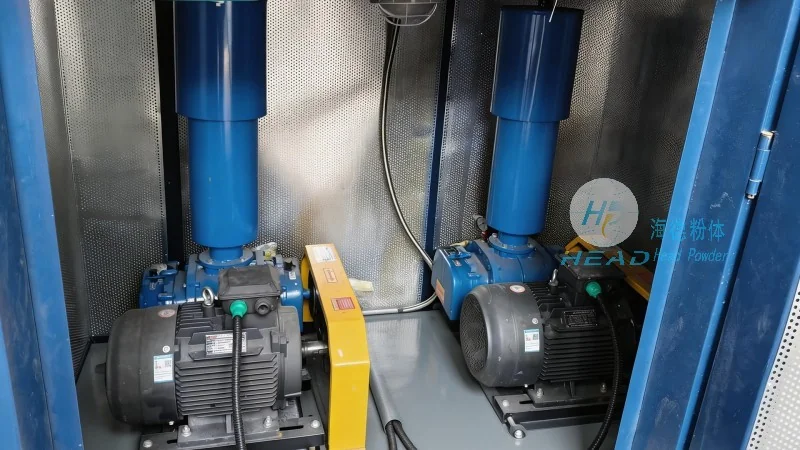
1. Screw Conveyors: The Traditional Choice for Polysilicon Handling
Screw conveyors, also known as auger conveyors, are among the most widely used equipment for polysilicon transport. These systems consist of a rotating helical screw within a U-shaped or tubular housing. As the screw rotates, it pushes the material forward, making screw conveyors ideal for horizontal or slightly inclined transport. HeadPowder, with its expertise in material handling engineering, offers customized screw conveyor solutions tailored to the specific needs of polysilicon processing facilities. The primary advantages of screw conveyors include their compact design, low maintenance requirements, and ability to handle a wide range of particle sizes. However, they may experience wear and tear on the screw and housing, especially when conveying abrasive materials like polysilicon. Additionally, screw conveyors are less suitable for vertical lifting due to the risk of material degradation or blockages.
2. Pneumatic Conveying Systems: High-Pressure and Low-Pressure Options
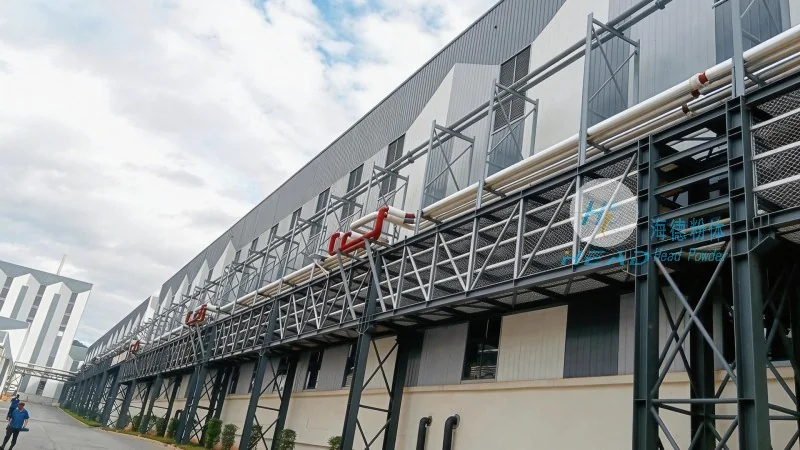
Pneumatic conveying systems utilize air or other gases to transport polysilicon particles through a pipeline network. These systems are categorized into high-pressure and low-pressure types, each with distinct characteristics. High-pressure pneumatic conveyors use compressed air to accelerate the material, while low-pressure systems rely on vacuum to draw the material through the pipeline. HeadPowder specializes in designing and manufacturing pneumatic conveying systems that ensure minimal product degradation and efficient transport over long distances. The key benefits of pneumatic conveying include its ability to handle fine powders without the need for mechanical contact, reducing the risk of contamination or particle breakage. However, these systems require robust air filtration and pressure control mechanisms to maintain material quality. Moreover, the initial investment and energy consumption can be higher compared to other conveying methods.
3. Belt Conveyors: Ideal for Bulk Polysilicon Transport

Belt conveyors are commonly employed for bulk polysilicon transport, particularly in open-air or large-scale processing facilities. These systems consist of a continuous belt that moves over rollers or pulleys, transporting the material horizontally or at a slight incline. HeadPowder provides customized belt conveyor solutions that can accommodate high volumes of polysilicon, ensuring consistent and reliable transport. The main advantages of belt conveyors include their high capacity, low operating costs, and ability to handle large quantities of material. They are also relatively simple to install and maintain. However, belt conveyors are less effective for vertical lifting and may require additional equipment, such as elevators or bucket elevators, for vertical transport. Furthermore, the risk of material spillage or belt damage due to overloading or misalignment must be managed carefully.
4. Comparison and Selection Criteria
When selecting a polysilicon conveying method, several factors must be considered, including material properties, production scale, operational environment, and cost. Screw conveyors are suitable for moderate volumes and horizontal transport, while pneumatic systems excel in fine powder handling and long-distance transport. Belt conveyors are ideal for bulk material transport in large facilities. HeadPowder’s engineering team evaluates these factors to recommend the most appropriate conveying solution for each client. By leveraging their expertise in material handling and process optimization, HeadPowder ensures that the chosen system maximizes efficiency, minimizes downtime, and maintains the quality of the polysilicon product.
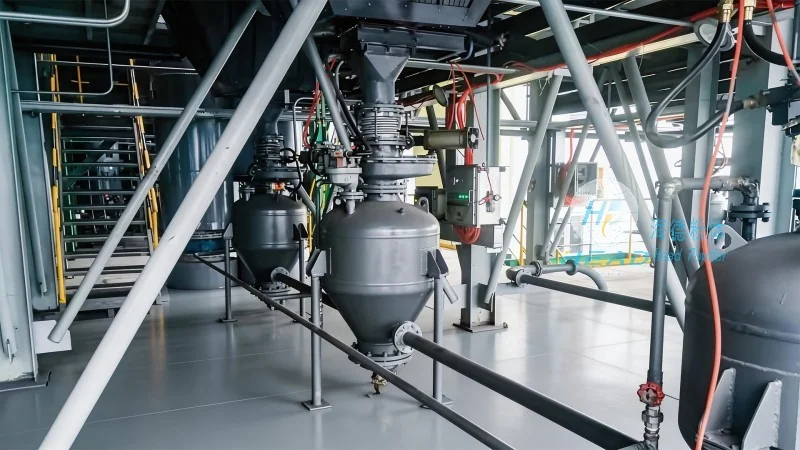
Conclusion: Partnering with HeadPowder for Optimal Polysilicon Conveying Solutions
Efficient polysilicon conveying is essential for maintaining productivity and quality in semiconductor manufacturing. The comparison of screw conveyors, pneumatic systems, and belt conveyors highlights the importance of selecting the right equipment based on specific operational needs. Shandong HeadPowder Engineering Co., Ltd. offers comprehensive engineering solutions, including customized conveying systems, to meet the diverse requirements of polysilicon processing facilities. With a focus on innovation, reliability, and customer satisfaction, HeadPowder is committed to delivering high-quality conveying solutions that enhance the performance of polysilicon production lines. By choosing HeadPowder, clients can ensure that their conveying systems are optimized for efficiency, durability, and cost-effectiveness, ultimately contributing to the success of their semiconductor operations.

 Shandong Headpowder Engineering Co., Ltd.
 156-6277-7102(Quản lý Trương)
  0531-83386006
  Thành phố Tế Nam, Tỉnh Sơn Đông, Trung Quốc
Điện thoại
WeChatTư vấn
Lên đầu