

Comparison of Common Cellulose Conveying Methods
Cellulose, a key component in numerous industrial processes, demands efficient and reliable conveying systems to ensure seamless material handling. The selection of a conveying method directly impacts operational efficiency, cost, and product quality. This article offers a detailed comparison of common cellulose conveying methods, outlining the benefits and drawbacks of each approach. The insights are provided by Shandong HeadPowder Engineering Co., Ltd., a leading material handling solutions provider headquartered in China.
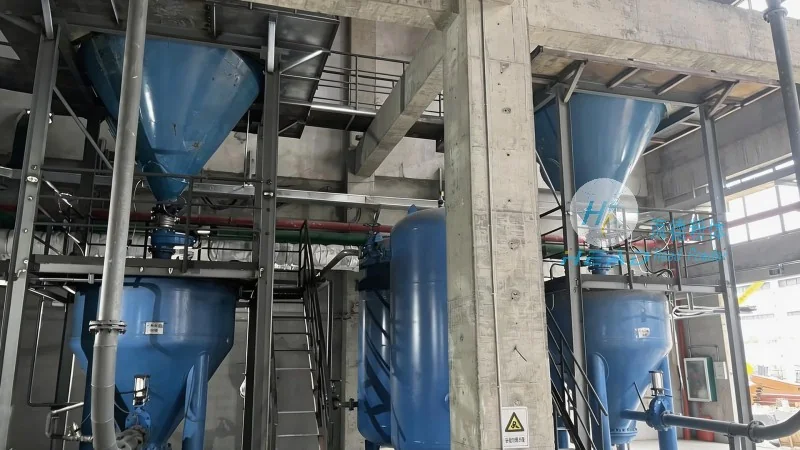
Introduction to Cellulose Conveying
Cellulose, derived from plant fibers, is widely utilized in industries such as paper, textiles, and food processing. Its bulk and fibrous characteristics require specialized equipment for effective transport. Conveying systems must accommodate the material's abrasive nature, varying moisture levels, and potential for clogging. Understanding the different conveying methods is essential for choosing the most suitable solution for specific applications.
1. Screw Conveyors (Auger Conveyors)
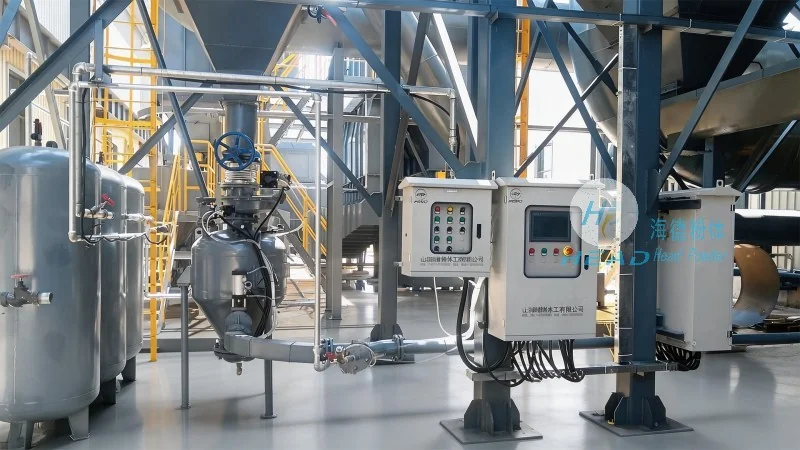
Screw conveyors, or auger conveyors, are among the most prevalent methods for transporting cellulose. These systems feature a rotating helical screw within a trough, which propels material forward through the channel. The design enables both vertical and horizontal transport, making them versatile for diverse applications. Shandong HeadPowder Engineering Co., Ltd. manufactures screw conveyors tailored to handle cellulose, ensuring durability and efficient performance. The screw's speed and pitch can be adjusted to control flow rate, optimizing material movement. However, screw conveyors may experience clogging with high moisture content or fine particles, necessitating regular maintenance and potential modifications to prevent blockages.
2. Pneumatic Conveying Systems
Pneumatic conveying systems utilize air or other gases to transport cellulose particles through a pipeline. This method is particularly effective for handling fine or dusty cellulose, as it minimizes dust exposure and reduces contamination risk. The system typically includes a hopper, a blower, and a pipeline network. Shandong HeadPowder Engineering Co., Ltd. offers advanced pneumatic conveying solutions that ensure consistent material flow and low maintenance costs. Pneumatic systems are ideal for long-distance transport and can handle materials with varying sizes and shapes. However, they may be less efficient for heavy or bulky cellulose, as the required air pressure increases operational costs and energy consumption.
3. Belt Conveyors
Belt conveyors employ a continuous belt to transport cellulose over a series of rollers or pulleys. This method is widely used in bulk material handling due to its high capacity and ability to cover long distances. The design allows for horizontal and slight incline transport, making it suitable for various industrial settings. Shandong HeadPowder Engineering Co., Ltd. provides robust belt conveyor systems designed to handle the abrasive nature of cellulose, ensuring long service life and minimal downtime. Belt conveyors are cost-effective for large-scale operations and can be integrated with other equipment for automated material handling. However, they may require more space and regular maintenance of the belt and rollers to prevent wear and tear.
4. Bucket Elevators
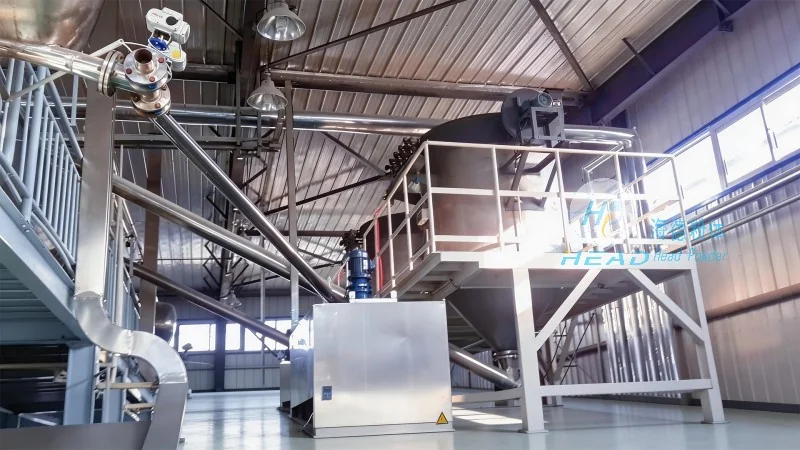
Bucket elevators are vertical conveying systems that use a chain or belt with attached buckets to lift and transport cellulose vertically. This method is highly efficient for vertical transport and can handle large volumes of material. Shandong HeadPowder Engineering Co., Ltd. manufactures bucket elevators with durable buckets and robust drive systems, ensuring reliable operation in demanding environments. Bucket elevators are ideal for applications requiring vertical transport, such as in feed mills or paper production facilities. However, they may have limitations in handling very fine or lightweight cellulose, as the buckets may not effectively grip the material, leading to spillage or uneven flow.
5. Vibrating Conveyors

Vibrating conveyors use vibrations to move cellulose along a trough. The system consists of a conveyor bed that is vibrated at specific frequencies, causing the material to move forward. This method is effective for handling sticky or cohesive cellulose, as the vibrations prevent clogging and ensure smooth flow. Shandong HeadPowder Engineering Co., Ltd. offers vibrating conveyors with adjustable vibration patterns, allowing for customization based on material properties. Vibrating conveyors are low-maintenance and can handle a wide range of cellulose types, including those with high moisture content. However, they may be less efficient for high-capacity applications and require proper alignment to avoid material spillage.
Conclusion and Recommendations
The choice of cellulose conveying method depends on factors like material properties, required transport distance, and operational budget. Shandong HeadPowder Engineering Co., Ltd. provides comprehensive material handling solutions tailored to meet specific industry needs. By evaluating the advantages and limitations of each method, businesses can select the most efficient and cost-effective conveying system for their cellulose handling requirements. Regular maintenance and proper system design are essential to ensure optimal performance and longevity of the conveying equipment.