Chuyên sâu trong lĩnh vực vật liệu rời công nghiệp, cung cấp giải pháp môi trường thông minh tích hợp cho phối trộn tự động, cấp liệu tập trung, khử lưu huỳnh và khử nitơ khô!
When handling corn cob material in industrial settings, selecting the right conveying method is crucial for efficiency, cost-effectiveness, and operational safety. Corn cob, a byproduct of corn processing, is often used in animal feed, fuel, and other industrial applications. The choice of conveying system impacts the overall productivity and reliability of the processing line. This article provides a detailed comparison of common corn cob conveying methods, focusing on their mechanisms, advantages, and typical applications.
HeadPowder Engineering: Your Partner in Corn Cob Handling Solutions
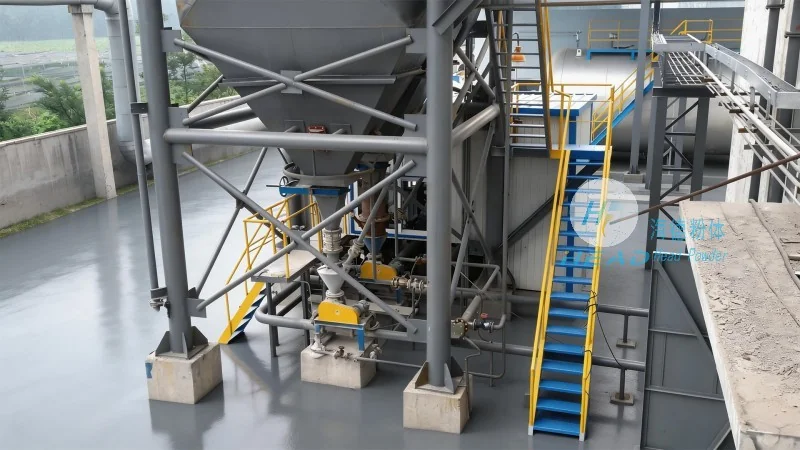
Shandong HeadPowder Engineering Co., Ltd., a leading manufacturer in the field, specializes in designing and supplying advanced conveying equipment tailored to the unique needs of corn cob processing. With decades of experience in the industry, HeadPowder offers a range of solutions that enhance material handling efficiency while ensuring durability and low maintenance costs. The company’s products are engineered to meet the specific challenges of corn cob, such as its fibrous texture and varying moisture content.

Gravity Conveying Systems
Gravity conveying systems utilize the natural slope of the material to move corn cob from one point to another. This method is simple and cost-effective, requiring minimal energy input. The system typically consists of a sloped chute or conveyor belt that allows the corn cob to slide down due to gravity. The primary advantage of gravity conveying is its low operational cost, as it does not rely on motors or other power sources. However, its effectiveness is limited by the angle of the slope and the material’s density. For applications where the distance between the feed and discharge points is short and the material flow is consistent, gravity conveying is an excellent choice. HeadPowder offers gravity chutes designed with smooth, non-stick surfaces to prevent material buildup and ensure consistent flow rates.
Mechanical Conveying Systems
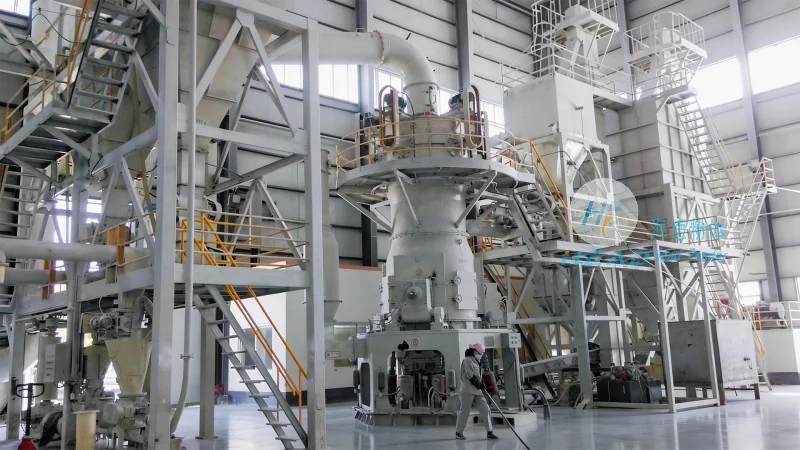
Mechanical conveying systems use mechanical power to move corn cob, offering greater control and flexibility compared to gravity systems. The most common types include belt conveyors, screw conveyors, and bucket elevators. Belt conveyors are widely used for horizontal and inclined transport, capable of handling large volumes of corn cob. They are particularly effective when the material needs to be transported over long distances or at high speeds. Screw conveyors, also known as augers, are ideal for vertical or inclined transport, as they can lift the material while moving it horizontally. These systems are compact and can be installed in tight spaces, making them suitable for confined processing areas. Bucket elevators are used for vertical transport, where the material is lifted in buckets attached to a rotating chain or belt. They are highly efficient for moving corn cob from lower to higher levels, but require more maintenance than other mechanical systems. HeadPowder’s mechanical conveying equipment is built with robust materials and advanced drive systems to ensure reliable performance in demanding corn cob handling applications.
Pneumatic Conveying Systems

Pneumatic conveying systems use air pressure to transport corn cob through a pipeline. This method is suitable for applications requiring dust control and enclosed material handling. The system consists of a hopper, a blower, and a pipeline network. The corn cob is fed into the hopper and then drawn into the pipeline by the air flow. Pneumatic conveying offers the advantage of transporting material in a closed system, which helps maintain hygiene and prevents dust contamination. It is also flexible, as the pipeline can be routed around obstacles and adjusted to fit different layouts. However, pneumatic systems require more energy than mechanical systems and may be less efficient for long-distance transport. HeadPowder provides pneumatic conveying solutions with high-efficiency blowers and durable pipeline materials, ensuring reliable and low-dust operation for corn cob processing.
Choosing the Right Conveying Method for Your Corn Cob Handling Needs
Selecting the appropriate corn cob conveying method depends on several factors, including the processing capacity, the distance between feed and discharge points, the material’s properties, and the available space. Gravity systems are ideal for short distances and low-volume applications, while mechanical systems offer greater control and are suitable for larger operations. Pneumatic systems are preferred when dust control and enclosed handling are critical. Shandong HeadPowder Engineering Co., Ltd. provides comprehensive consulting services to help clients evaluate their specific requirements and select the most suitable conveying solution. The company’s team of experts can design customized systems that optimize performance, reduce operational costs, and enhance safety. By partnering with HeadPowder, businesses can improve their corn cob handling efficiency and ensure long-term operational reliability.

 Shandong Headpowder Engineering Co., Ltd.
 156-6277-7102(Quản lý Trương)
  0531-83386006
  Thành phố Tế Nam, Tỉnh Sơn Đông, Trung Quốc
Điện thoại
WeChatTư vấn
Lên đầu