Chuyên sâu trong lĩnh vực vật liệu rời công nghiệp, cung cấp giải pháp môi trường thông minh tích hợp cho phối trộn tự động, cấp liệu tập trung, khử lưu huỳnh và khử nitơ khô!
When it comes to transporting bead sand in industrial applications, selecting the right conveying method is crucial for efficiency, cost-effectiveness, and operational reliability. Bead sand, often used in refractory and abrasive applications, requires specialized handling due to its granular nature and potential for dust generation. This article provides a detailed comparison of common bead sand conveying methods, focusing on the key aspects that influence the choice of system for various industrial settings. The information is provided by Shandong HeadPowder Engineering Co., Ltd., a leading manufacturer specializing in bead sand products and conveying solutions.
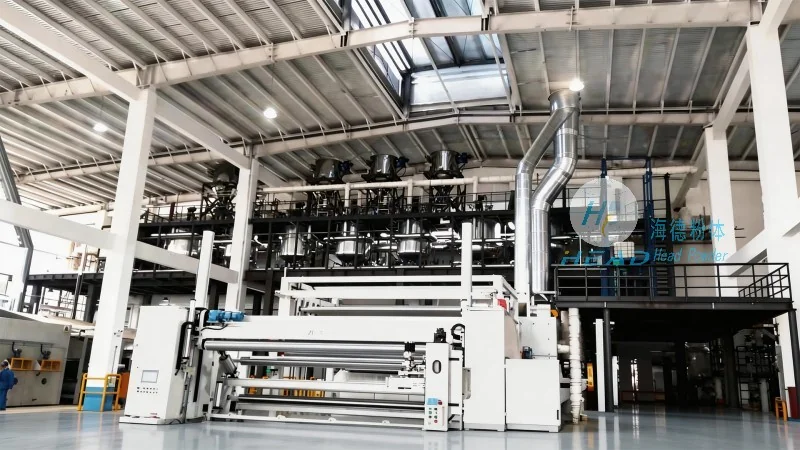
Introduction to Bead Sand Conveying Methods
Bead sand, also known as fused alumina or zirconia beads, is a critical material in industries such as refractory manufacturing, grinding media production, and surface treatment. The effective transportation of bead sand from storage to processing equipment is essential to maintain production continuity and ensure product quality. Conveying systems for bead sand must address challenges like material abrasiveness, dust control, and the need for gentle handling to prevent bead breakage or degradation. Several methods are commonly employed, each with distinct advantages and limitations.
Mechanical Conveying Systems
Mechanical conveying systems utilize mechanical components such as belts, screws, and buckets to move bead sand. These systems are often preferred for short to medium distances and moderate material flow rates. One common type is the belt conveyor, which uses a continuous belt to transport bead sand horizontally or at a slight incline. Belt conveyors are straightforward to install and maintain, making them suitable for applications where space is limited or where the conveying distance is relatively short. However, they may not be ideal for handling fine or abrasive bead sand, as the belt can wear quickly and generate dust. Another mechanical option is the screw conveyor, which uses a rotating screw to push bead sand through a tube. Screw conveyors are effective for vertical or inclined transport and can handle a wide range of materials, including bead sand. They are particularly useful in applications where dust containment is a priority, as the enclosed design minimizes particle loss. However, screw conveyors can experience high wear on the screw and housing due to the abrasive nature of bead sand, requiring regular maintenance and replacement of components.
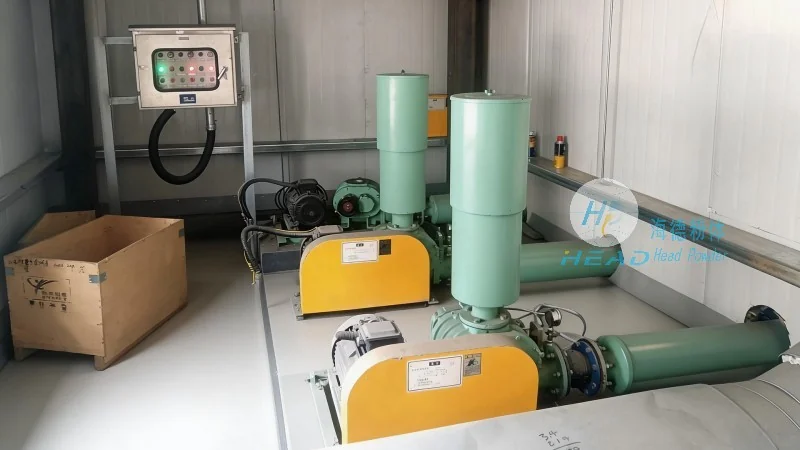
Pneumatic Conveying Systems
Pneumatic conveying systems use air or other gases to transport bead sand through a pipeline. These systems are highly flexible and can handle both short and long distances, making them suitable for complex layouts in industrial facilities. There are two main types of pneumatic conveyors: pressure and vacuum. Pressure conveyors use compressed air to push bead sand through the system, while vacuum conveyors use a vacuum to pull the material. Pressure systems are generally more efficient for long-distance transport and high material loads, as they can maintain a consistent flow rate. Vacuum systems, on the other hand, are better suited for short distances or when the material needs to be collected from multiple points. Pneumatic conveying offers advantages such as low maintenance costs and the ability to transport bead sand in a closed system, reducing dust exposure for operators. However, they require significant energy input to operate the air compressors or vacuum pumps, which can increase operational costs. Additionally, the abrasive nature of bead sand can cause wear on the pipeline and valves, necessitating the use of high-quality materials like stainless steel or special coatings to extend the system's lifespan.
Hydraulic Conveying Systems
Hydraulic conveying systems use water or other liquids to transport bead sand through a pipeline. These systems are typically used for long-distance transport over challenging terrains, such as hills or uneven ground. The bead sand is suspended in the liquid and carried through the pipeline by the flow of the hydraulic medium. Hydraulic conveyors are highly effective for handling large volumes of material and can transport bead sand over distances of several kilometers. They are particularly useful in applications where mechanical or pneumatic systems are not feasible due to the distance or terrain. However, hydraulic systems require a significant amount of water and energy to operate, making them less cost-effective for short-distance or low-volume applications. The use of water also introduces the need for additional equipment to treat and recycle the liquid, adding to the overall operational complexity and cost. Furthermore, the abrasive nature of bead sand can cause significant wear on the pipeline and pumping components, necessitating the use of specialized materials and regular maintenance.

Comparative Analysis of Conveying Methods
When comparing mechanical, pneumatic, and hydraulic conveying systems for bead sand, several factors must be considered. The primary considerations include conveying distance, material flow rate, required dust control, and operational cost. Mechanical systems are generally the most cost-effective for short distances and moderate flow rates, with lower energy consumption compared to pneumatic or hydraulic systems. However, they may not be suitable for handling fine or abrasive bead sand due to wear and dust generation. Pneumatic systems offer flexibility and enclosed transport, making them ideal for applications where dust control is critical and the conveying distance is moderate to long. They are more energy-intensive than mechanical systems but less so than hydraulic systems. Hydraulic systems are best suited for long-distance transport over challenging terrain and large material volumes, but they are the most expensive option in terms of initial investment and operational costs. The choice of system also depends on the specific characteristics of the bead sand, such as particle size, density, and abrasiveness. For example, if the bead sand is very fine and abrasive, a pneumatic system with a high-quality pipeline and valve design may be necessary to prevent material degradation and system wear. Conversely, if the bead sand is coarse and less abrasive, a mechanical system like a belt conveyor may suffice.
Conclusion
Selecting the appropriate bead sand conveying method is a critical decision for industrial operations, as it directly impacts productivity, safety, and cost. Mechanical, pneumatic, and hydraulic systems each offer unique advantages and limitations that must be evaluated based on the specific requirements of the application. By considering factors such as conveying distance, material flow rate, dust control needs, and operational budget, industrial facilities can choose the most suitable system to ensure efficient and reliable bead sand transport. As technology advances, new materials and designs are being developed to improve the performance and longevity of conveying systems, further enhancing their suitability for bead sand applications. Ultimately, the goal is to select a system that balances efficiency, cost-effectiveness, and operational reliability to support the continuous and high-quality production of bead sand products.

 Shandong Headpowder Engineering Co., Ltd.
 156-6277-7102(Quản lý Trương)
  0531-83386006
  Thành phố Tế Nam, Tỉnh Sơn Đông, Trung Quốc
Điện thoại
WeChatTư vấn
Lên đầu