Chuyên sâu trong lĩnh vực vật liệu rời công nghiệp, cung cấp giải pháp môi trường thông minh tích hợp cho phối trộn tự động, cấp liệu tập trung, khử lưu huỳnh và khử nitơ khô!
When it comes to handling fine polishing powders in industrial applications, selecting the right conveying method is crucial for efficiency, cost-effectiveness, and product integrity. Shandong HeadPowder Engineering Co., Ltd., a leading provider in the field, offers insights into the most common methods used for transporting these delicate materials. This article provides a detailed comparison of the primary fine polishing powder conveying techniques, helping industry professionals make informed decisions based on their specific operational needs.
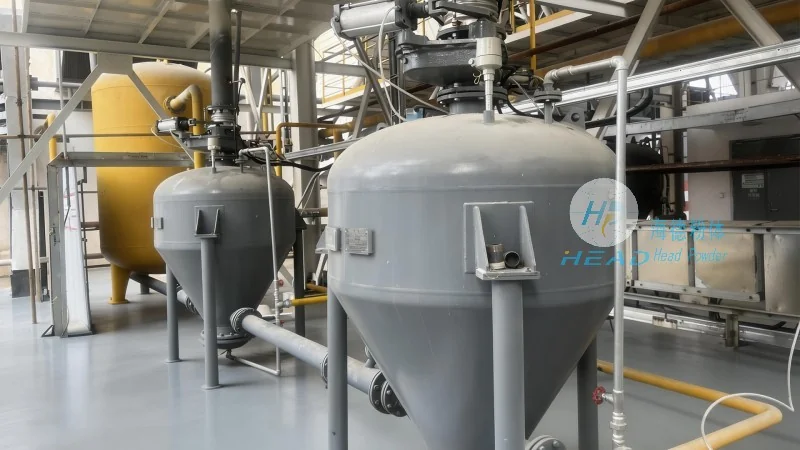
1. Air-Pressure Conveying (Pneumatic Conveying)
Air-pressure conveying, or pneumatic conveying, is one of the most widely used methods for fine polishing powder transport. This technique utilizes compressed air to move powders through a pipeline system. The process involves creating a pressure differential between the source and destination, which propels the powder particles forward. For fine polishing powders, which are often lightweight and prone to dust, this method offers several advantages. It allows for a continuous, enclosed system that minimizes dust dispersion and ensures a clean working environment. Additionally, pneumatic conveying can handle materials with varying particle sizes and moisture content, making it versatile for different applications. However, it may require higher energy consumption compared to other methods, and the system design must be carefully engineered to prevent material buildup or blockages in the pipes. Shandong HeadPowder Engineering Co., Ltd. specializes in designing and manufacturing pneumatic conveying systems tailored to the unique characteristics of fine polishing powders, ensuring optimal performance and reliability.
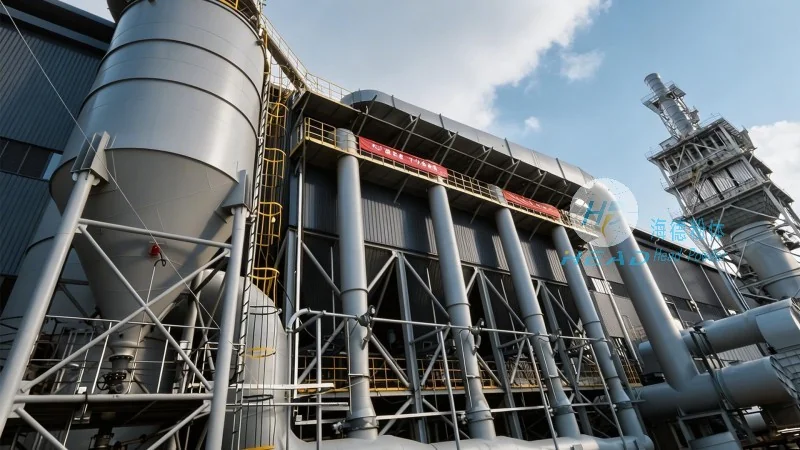
2. Screw Conveying (Auger Conveying)
Screw conveying, also known as auger conveying, is another common method for transporting fine polishing powders. This system uses a rotating screw or auger inside a cylindrical tube to move materials forward. The screw’s helical design creates a continuous flow, pushing the powder from the inlet to the outlet. Screw conveyors are particularly effective for handling dry, free-flowing powders and can operate in both horizontal and inclined configurations. They are relatively simple in design, making them cost-effective and easy to maintain. However, they may not be suitable for very fine or cohesive powders, as the screw can cause particle degradation or clogging. The speed and pitch of the screw can be adjusted to control the conveying rate and prevent material sticking. Shandong HeadPowder Engineering Co., Ltd. offers customized screw conveyor solutions that address the challenges of fine polishing powders, ensuring smooth material movement and preventing wear on the screw surface.
3. Vibrating Conveying

Vibrating conveying is a method that uses mechanical vibrations to move fine polishing powders along a trough or conveyor belt. The system consists of a conveyor bed that is subjected to periodic vibrations, which causes the powder to move forward due to the kinetic energy transferred. This technique is ideal for handling powders with high moisture content or those that tend to stick to surfaces, as the vibrations help break up agglomerates and prevent clogging. Vibrating conveyors are also suitable for transporting materials with varying bulk densities and can operate in both horizontal and inclined modes. They are generally low-cost and require minimal maintenance, making them a popular choice for many industrial applications. However, the design must consider the frequency and amplitude of the vibrations to avoid excessive wear on the conveyor components. Shandong HeadPowder Engineering Co., Ltd. has expertise in designing vibrating conveyors that effectively handle the unique properties of fine polishing powders, ensuring consistent and reliable transport.
4. Hydraulic Conveying
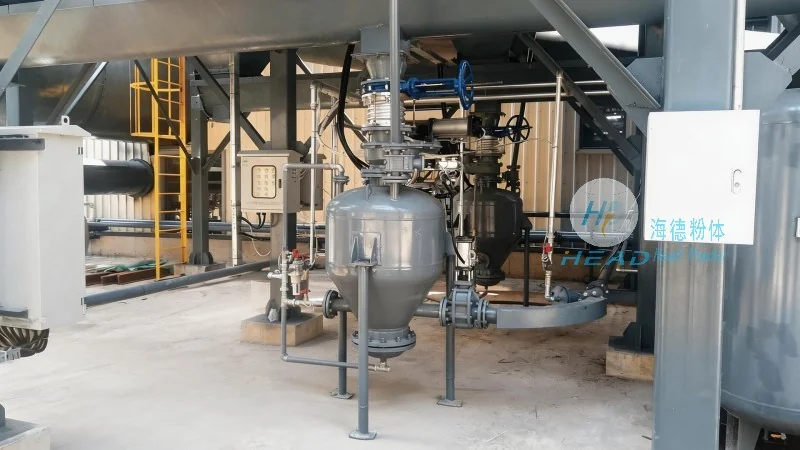
Hydraulic conveying, or slurry transport, involves mixing fine polishing powders with a liquid to form a slurry, which is then pumped through a pipeline. This method is particularly useful for transporting powders that are difficult to handle dry, such as those with high moisture content or fine particle sizes. The slurry is pumped using a centrifugal pump, and the liquid helps to keep the particles suspended and prevent clogging. Hydraulic conveying can handle large volumes of material efficiently and is suitable for long-distance transport. However, it requires additional equipment for slurry preparation and separation, which increases operational complexity and cost. The system also needs to be designed to prevent corrosion and scaling, as the liquid and powder mixture can be abrasive. Shandong HeadPowder Engineering Co., Ltd. provides hydraulic conveying solutions that address the challenges of fine polishing powders, ensuring effective transport while minimizing maintenance and operational issues.
5. Comparison and Selection Criteria
When choosing a conveying method for fine polishing powders, several factors must be considered. The first is the material properties: particle size, moisture content, and bulk density. Fine polishing powders are typically very fine, which affects how they behave in different systems. For example, very fine powders may require air-pressure or hydraulic conveying to prevent clogging. The second factor is the distance and layout of the transport route. Short distances may be suitable for screw or vibrating conveyors, while long distances may benefit from pneumatic or hydraulic systems. Energy consumption is another critical consideration, as some methods are more power-intensive than others. Finally, the desired level of dust control and environmental impact should be evaluated. Air-pressure and enclosed systems offer better dust control, which is essential for maintaining a safe and clean workplace. Shandong HeadPowder Engineering Co., Ltd. recommends conducting a thorough analysis of these factors to select the most appropriate conveying method, ensuring optimal performance and cost-effectiveness for the specific application.

 Shandong Headpowder Engineering Co., Ltd.
 156-6277-7102(Quản lý Trương)
  0531-83386006
  Thành phố Tế Nam, Tỉnh Sơn Đông, Trung Quốc
Điện thoại
WeChatTư vấn
Lên đầu