Chuyên sâu trong lĩnh vực vật liệu rời công nghiệp, cung cấp giải pháp môi trường thông minh tích hợp cho phối trộn tự động, cấp liệu tập trung, khử lưu huỳnh và khử nitơ khô!
When it comes to transporting soda ash, also known as sodium carbonate, there are several common methods used in the industry. These methods vary based on factors such as distance, volume, and the specific requirements of the end-user. Understanding the different options available helps businesses make informed decisions to ensure efficient and cost-effective delivery of this essential chemical. As a leading provider in the field, Shandong HeadPowder Engineering Co., Ltd., based in Shandong, China, offers expertise in optimizing transportation solutions for soda ash, ensuring clients receive reliable and tailored services.
1. Pipeline Transportation

Pipeline transportation is a highly efficient method for moving large volumes of soda ash over long distances. This method involves pumping the material through a network of pipes, which can be underground or above ground. The primary advantage of pipeline transport is its ability to operate continuously without the need for frequent loading and unloading. It is particularly suitable for industrial plants that require a steady supply of soda ash for production processes. The system can be designed to handle various concentrations and temperatures, ensuring the material remains in a stable state during transit. This method is often preferred for long-distance bulk transport, reducing the need for intermediate storage and handling.

2. Tank Truck Transportation
For shorter distances or when flexibility is required, tank trucks are a popular choice for soda ash transportation. These specialized vehicles are equipped with insulated tanks that can maintain the temperature and prevent caking or clumping of the material. The trucks are designed to handle the physical properties of soda ash, ensuring safe and secure transport. This method allows for direct delivery to the customer's site, which is beneficial for smaller-scale operations or when the material needs to be delivered to multiple locations. Tank trucks can be loaded from storage facilities or directly from production plants, providing a versatile solution for various logistical needs. The use of tank trucks also supports just-in-time delivery, reducing inventory costs for the receiving facility.
3. Containerized Transportation
Containerized transportation, often using standard or specialized containers, is another option for moving soda ash. This method is particularly useful for international shipping or when the material needs to be transported to locations with limited infrastructure for bulk handling. Containers can be sealed and secured to prevent contamination or spillage, ensuring the product remains in optimal condition throughout the journey. The use of containers allows for easy transfer between different modes of transport, such as trucks, ships, and trains, providing flexibility in the supply chain. This method is suitable for both bulk and smaller quantities, making it adaptable to different business needs. Containerized transport also supports the integration of logistics with other industries, enabling seamless supply chain management.
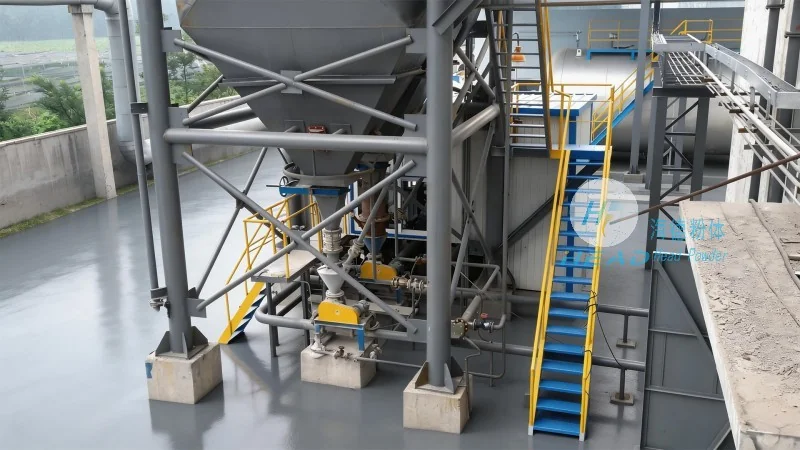
4. Bulk Bag (FIBC) Transportation
Bulk bag or flexible intermediate bulk container (FIBC) transportation is a common method for handling soda ash in bulk quantities. These bags are made of durable materials and are designed to be filled, transported, and emptied efficiently. The use of bulk bags allows for easy loading and unloading, reducing the need for specialized equipment and labor. This method is particularly advantageous for smaller shipments or when the material needs to be delivered to sites without loading facilities. Bulk bags can be stacked and stored, optimizing space in warehouses and storage areas. They also provide protection against moisture and other environmental factors, maintaining the quality of the soda ash. This method is widely used in the chemical industry for its cost-effectiveness and ease of handling.
5. Comparison and Selection Criteria
When selecting the most appropriate soda ash transportation method, several factors must be considered. The distance between the source and the destination is a key determinant, as longer distances may favor pipeline or containerized transport. The volume of the shipment also plays a role, with bulk methods like pipelines and tank trucks being more economical for large quantities. The nature of the end-use, such as whether the soda ash is used in manufacturing or for industrial processes, can influence the choice of transport. For example, continuous production lines may benefit from pipeline delivery to ensure a steady supply. Additionally, the availability of infrastructure, such as pipelines or loading facilities, can impact the feasibility of certain methods. Companies must evaluate cost, efficiency, and reliability when making their decision to ensure the best fit for their operational needs.

 Shandong Headpowder Engineering Co., Ltd.
 156-6277-7102(Quản lý Trương)
  0531-83386006
  Thành phố Tế Nam, Tỉnh Sơn Đông, Trung Quốc
Điện thoại
WeChatTư vấn
Lên đầu