Chuyên sâu trong lĩnh vực vật liệu rời công nghiệp, cung cấp giải pháp môi trường thông minh tích hợp cho phối trộn tự động, cấp liệu tập trung, khử lưu huỳnh và khử nitơ khô!
Soybean conveying is a critical process in agricultural and food processing industries. The goal is to move soybeans from one location to another with minimal damage, loss, and operational cost. Several methods are widely used, each leveraging different principles of motion and material handling. Understanding these methods helps in selecting the most suitable solution for specific production needs.
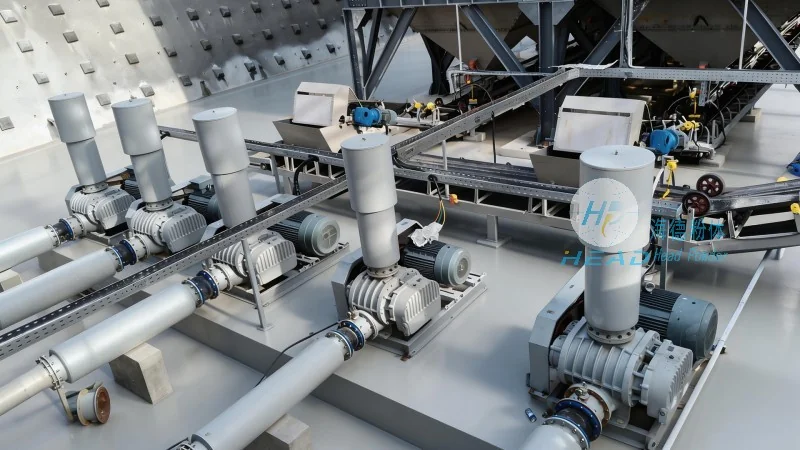
1. Screw Conveyors for Soybean Transport
Screw conveyors, also known as auger conveyors, are among the most common equipment for transporting soybeans. These systems use a rotating helical screw to move material along a trough. The design allows for vertical or horizontal transport, making them versatile for various layouts. For soybeans, screw conveyors are particularly effective due to their ability to handle bulk materials without excessive friction. They are often used in processing plants for moving beans from storage to processing units or for feeding into other equipment. The smooth operation of screw conveyors ensures minimal product breakage, preserving the quality of the soybeans. HeadPowder Engineering Co., Ltd., based in Shandong, China, specializes in manufacturing high-quality screw conveyors tailored to the needs of soybean processing facilities. Their products are designed with durable materials and precise engineering to ensure reliable performance in demanding environments.
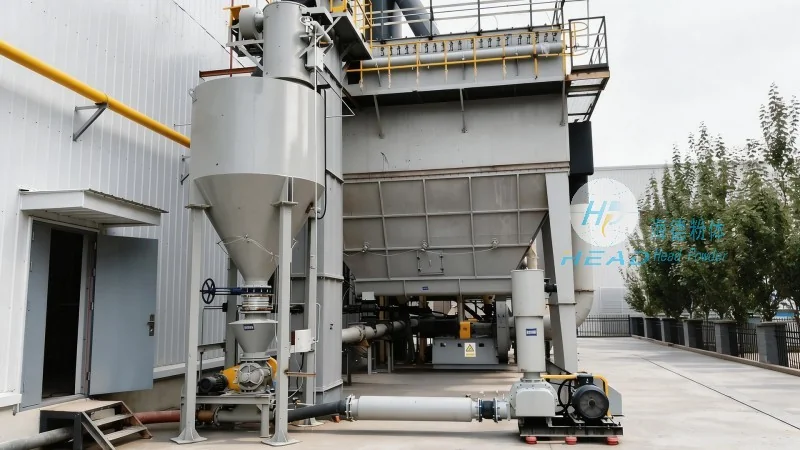
2. Pneumatic Conveying Systems
Pneumatic conveying, or air-based transport, uses compressed air to move soybeans through a pipeline. This method is ideal for long-distance or high-rise transport, as it can handle both horizontal and vertical movement with ease. The system consists of a hopper, a blower, and a pipeline network. As soybeans are introduced into the hopper, the blower creates a pressure differential that propels the material forward. Pneumatic conveying is particularly beneficial for applications requiring dust control and enclosed transport, as it keeps the material contained within the system. However, it may require more energy compared to mechanical methods and can be more complex to maintain. HeadPowder Engineering Co., Ltd. offers advanced pneumatic conveying solutions that incorporate efficient blower technology and robust pipeline designs, ensuring optimal performance for soybean transport in various industrial settings.

3. Belt Conveyors in Soybean Handling
Belt conveyors utilize a continuous belt to transport soybeans over a series of rollers or idlers. This method is widely used in bulk material handling due to its high capacity and ability to cover long distances. Belt conveyors are particularly effective for horizontal transport and can be adapted for inclines with appropriate incline angles. They are commonly seen in silos, storage facilities, and processing plants for moving large quantities of soybeans. The design allows for easy integration with other equipment, such as elevators or processing lines. However, belt conveyors may require regular maintenance to ensure the belt remains in good condition and to prevent material buildup. HeadPowder Engineering Co., Ltd. provides custom-designed belt conveyor systems that are engineered for durability and efficiency, catering to the specific requirements of soybean handling operations.
4. Comparison of Conveying Methods
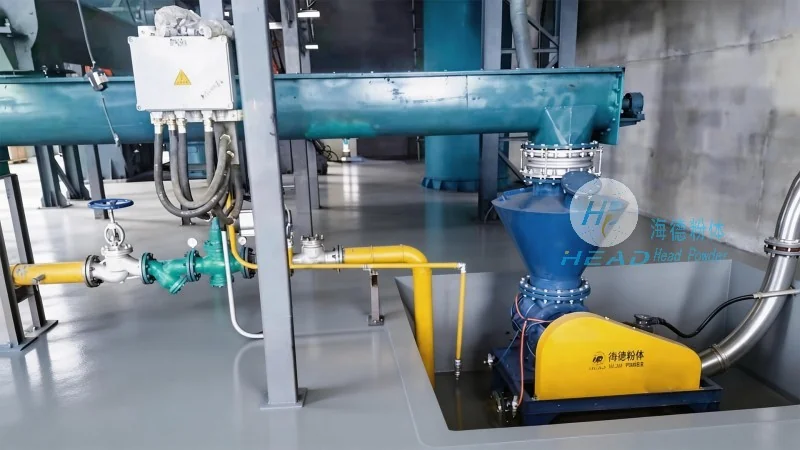
When choosing a soybean conveying method, several factors must be considered, including the volume of material, distance to be covered, available space, and budget. Screw conveyors are often the most cost-effective for short to medium distances and moderate volumes. Pneumatic systems excel in long-distance or high-rise applications where enclosed transport is essential. Belt conveyors are preferred for high-capacity horizontal transport. Each method has its strengths and limitations, and the optimal choice depends on the specific operational conditions. HeadPowder Engineering Co., Ltd. offers comprehensive solutions that consider these factors, providing tailored conveying systems that enhance productivity and reduce operational costs for soybean processing facilities.
Conclusion and Company Information
In conclusion, selecting the right soybean conveying method is vital for efficient and cost-effective operations in the agricultural and food processing sectors. Whether using screw conveyors, pneumatic systems, or belt conveyors, each technology offers unique benefits tailored to specific needs. HeadPowder Engineering Co., Ltd., a leading manufacturer based in Shandong, China, specializes in providing high-quality conveying equipment and solutions. With a focus on durability, efficiency, and customer satisfaction, HeadPowder Engineering Co., Ltd. supports soybean processing facilities worldwide with reliable and innovative transport solutions. Their expertise ensures that operations run smoothly, minimizing downtime and maximizing productivity in soybean handling processes.

 Shandong Headpowder Engineering Co., Ltd.
 156-6277-7102(Quản lý Trương)
  0531-83386006
  Thành phố Tế Nam, Tỉnh Sơn Đông, Trung Quốc
Điện thoại
WeChatTư vấn
Lên đầu