Chuyên sâu trong lĩnh vực vật liệu rời công nghiệp, cung cấp giải pháp môi trường thông minh tích hợp cho phối trộn tự động, cấp liệu tập trung, khử lưu huỳnh và khử nitơ khô!
Soybean meal is a vital component in the agricultural and animal feed sectors, and its efficient transportation is crucial for maintaining supply chain integrity and preserving product quality. For businesses dealing with soybean meal, understanding the available transportation methods is essential for optimizing logistics and reducing operational costs. This article examines the key approaches to transporting soybean meal, offering insights into the factors that influence method selection and the benefits each option provides.

Understanding the Importance of Proper Soybean Meal Transportation
Soybean meal, derived from soybean processing, is rich in protein and nutrients, making it a primary ingredient in animal feed. Its high moisture content and susceptibility to spoilage if mishandled during transport necessitate careful consideration of transportation methods. Proper handling ensures the meal's nutritional value is preserved, and the product reaches its destination in optimal condition. This section emphasizes why selecting the right transportation method is not merely a logistical choice but a critical factor in maintaining product quality and customer satisfaction.
Common Transportation Methods for Soybean Meal
Several transportation methods are commonly employed for soybean meal, each with distinct advantages and considerations. The choice often depends on factors like distance, volume, cost, and destination requirements. The primary options include road transport, rail transport, and specialized bulk transport solutions. Each method has evolved to address the unique challenges of moving soybean meal efficiently and safely.
1. Road Transportation: Flexibility and Accessibility

Road transport remains one of the most versatile and widely used methods for transporting soybean meal. Trucks, particularly bulk transport vehicles with specialized tanks or containers, are commonly utilized. Road transport offers flexibility in route planning and the ability to reach destinations without rail or waterway infrastructure. It is ideal for short to medium distances and direct delivery to farms, feed mills, or end-users. Temperature-controlled trucks can further preserve the meal's quality, especially in warmer climates. This method ensures timely product availability and direct access to remote locations.
2. Rail Transportation: Cost-Effective for Bulk Volumes
For large-scale transportation, rail transport is often the most cost-effective option. Specialized railcars, such as covered hoppers or bulk carriers, are designed for soybean meal. Rail transport excels for long distances and moving large quantities from production facilities to distribution centers. It reduces carbon footprint per ton compared to road transport and offers reliable schedules. However, rail transport may require additional handling at terminals and is limited to areas with rail infrastructure.

3. Specialized Bulk Transport Solutions
Specialized bulk transport solutions have emerged to enhance efficiency and safety. These include tank trucks for liquid/semi-liquid forms (though most soybean meal is dry bulk) and specialized containers like bulk bags or super sacks for loading/unloading. Some companies use specialized bulk carriers on ships for international transport, though less common domestically. These solutions reduce spillage and contamination risks, improving handling at origin and destination.
Key Considerations When Choosing a Transportation Method
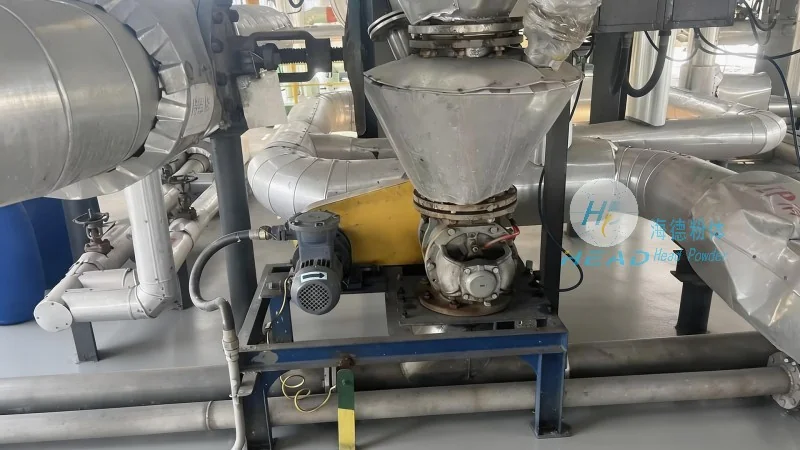
When selecting a method, factors like shipment volume, distance, destination infrastructure, and temperature control needs must be evaluated. Small quantities may benefit from road transport, while large volumes are better suited for rail or specialized bulk transport. The destination's loading/unloading capabilities also influence the choice. For example, rural farms with limited infrastructure may require road transport. Temperature control is critical to prevent spoilage, especially for longer transit times.
Role of Shandong HeadPowder Engineering Co., Ltd. in Soybean Meal Transportation
Shandong HeadPowder Engineering Co., Ltd., a leading provider, offers comprehensive solutions for soybean meal transportation. Headquartered in Shandong, China, the company leverages innovation and customer-centric approaches to enhance efficiency and safety. Their expertise in bulk handling and logistics ensures tailored solutions that meet specific needs. By using advanced technologies and state-of-the-art equipment, the company helps businesses optimize supply chains, reduce costs, and maintain high product quality standards. As a trusted partner, Shandong HeadPowder Engineering Co., Ltd. supports the soybean meal industry with reliable transportation services.
Conclusion: Choosing the Right Transportation Method for Soybean Meal
In summary, selecting the appropriate transportation method for soybean meal impacts supply chain efficiency, product quality, and business performance. By evaluating volume, distance, and destination requirements, businesses can choose the best option. Road transport offers flexibility, rail provides cost-effectiveness for bulk, and specialized solutions enhance efficiency. Companies like Shandong HeadPowder Engineering Co., Ltd. play a vital role by offering expert guidance and advanced solutions. As demand for soybean meal grows, efficient transportation becomes increasingly important, making it essential for businesses to invest in the right methods and partners to meet their logistical needs.

 Shandong Headpowder Engineering Co., Ltd.
 156-6277-7102(Quản lý Trương)
  0531-83386006
  Thành phố Tế Nam, Tỉnh Sơn Đông, Trung Quốc
Điện thoại
WeChatTư vấn
Lên đầu