

[Corn Conveying Methods: Options and Approaches]
When it comes to efficiently transporting corn, various methods are available to suit different operational needs and environments. Understanding the options for corn conveying is crucial for optimizing agricultural and industrial processes. This article explores the primary methods used for corn transportation, highlighting their applications, advantages, and considerations. Shandong HeadPowder Engineering Co., Ltd., a leading provider of corn handling solutions, specializes in designing and manufacturing a range of conveying systems tailored to meet diverse corn transportation needs.

Overview of Corn Conveying Systems
Corn conveying systems are designed to move corn from one location to another within farms, processing facilities, or storage areas. These systems can range from simple manual methods to complex automated solutions, depending on the scale of operation and the volume of corn being handled. The choice of conveying method often depends on factors such as the distance to be covered, the quantity of corn, the physical characteristics of the corn (e.g., moisture content, size), and the available infrastructure.
Common Corn Conveying Methods
Several established techniques are widely used for corn transportation. Each method has its own set of benefits and limitations, making it suitable for specific scenarios. The primary methods include mechanical conveyors, bucket elevators, screw conveyors, and pneumatic (air) conveyors. Let's delve into each of these approaches in detail.
Mechanical Conveyors
Mechanical conveyors are among the most common and versatile systems for corn transportation. These systems utilize mechanical components to move corn along a path. A key example is the belt conveyor, which consists of a continuous belt looped over pulleys. Corn is placed on the belt, and the belt's movement transports it to the desired location. Belt conveyors are particularly effective for horizontal or slightly inclined transport over moderate distances. They are widely used in grain handling facilities and can handle large volumes of corn with minimal maintenance.

Bucket Elevators
Bucket elevators are vertical or inclined conveyors that use a series of buckets attached to a belt or chain to lift and transport corn. As the buckets move along the conveyor, they scoop up corn from a hopper at the bottom and carry it upward to a discharge point at the top. This method is highly efficient for vertical lifting and can transport corn over significant vertical distances, making it ideal for elevating corn from storage bins to processing areas or for moving corn between different levels of a facility. Bucket elevators are robust and can handle a wide range of corn types and sizes.
Screw Conveyors
Screw conveyors, also known as auger conveyors, use a rotating screw (auger) to push corn along a trough. The screw is typically made of metal and is enclosed in a U-shaped or rectangular tube. As the screw rotates, it moves the corn forward, and the trough guides the material. Screw conveyors are well-suited for horizontal or slightly inclined transport and are effective for moving corn through tight spaces or over short distances. They are commonly used in processing plants for feeding corn into equipment or for transferring corn between processing stages. The design of screw conveyors allows for precise control over the flow rate, making them suitable for applications requiring consistent delivery of corn.
Pneumatic (Air) Conveyors
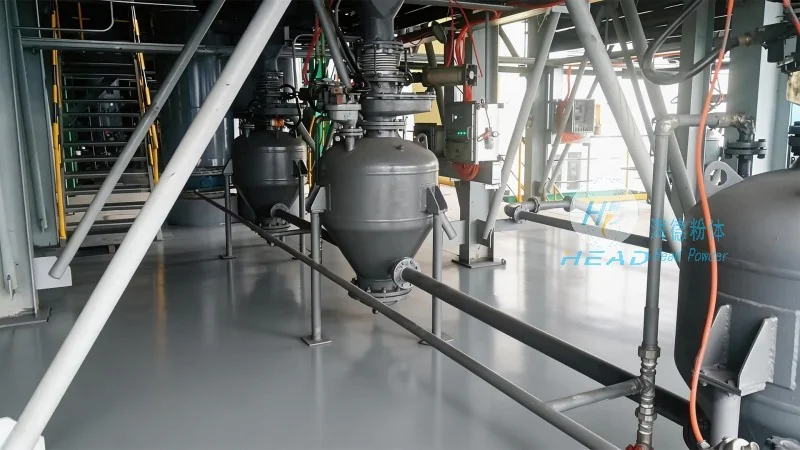
Pneumatic conveyors, or air conveyors, use air pressure to transport corn through a pipeline system. Corn is lifted and moved by a stream of air, which can be either positive pressure (blowing air into the pipe) or negative pressure (sucking air out of the pipe). This method is particularly useful for transporting corn over long distances or through complex layouts, as it can navigate bends and changes in elevation with ease. Pneumatic conveyors are often used in combination with other systems, such as bucket elevators or screw conveyors, to create a comprehensive corn handling solution. They are effective for moving corn in a dust-free environment and can handle fine or powdery corn components, though they may require more energy compared to mechanical conveyors.
Choosing the Right Corn Conveying Method
Selecting the appropriate corn conveying method involves evaluating several factors. The first consideration is the distance and elevation changes involved. For short horizontal distances, a belt conveyor or screw conveyor may suffice. For vertical lifting, a bucket elevator is often the best choice. For long-distance or complex transport, a pneumatic conveyor may be more suitable. Additionally, the volume of corn to be handled and the physical characteristics of the corn (e.g., moisture content, size) will influence the choice. For example, wet corn may require a conveyor system with better drainage or a design that minimizes material buildup. The available space and budget are also critical factors. Mechanical conveyors are generally more cost-effective for short distances, while pneumatic systems may be more expensive but offer greater flexibility.
Conclusion
In conclusion, the choice of corn conveying method depends on a variety of factors, including the operational requirements, the physical characteristics of the corn, and the available resources. By understanding the options and their respective advantages, businesses can select the most efficient and effective system for their corn handling needs. Whether using mechanical, bucket, screw, or pneumatic conveyors, each method plays a vital role in ensuring smooth and reliable corn transportation. As agricultural and industrial processes continue to evolve, the development of advanced conveying systems will further enhance the efficiency and sustainability of corn handling operations.