Chuyên sâu trong lĩnh vực vật liệu rời công nghiệp, cung cấp giải pháp môi trường thông minh tích hợp cho phối trộn tự động, cấp liệu tập trung, khử lưu huỳnh và khử nitơ khô!
Desulfurization sodium bicarbonate, also known as sodium bicarbonate used in flue gas desulfurization processes, is a critical chemical in modern industrial applications. The efficient and safe transport of this material is essential to ensure consistent supply to various industrial facilities. This article explores the common methods used for transporting desulfurization sodium bicarbonate, highlighting the key considerations and advantages of each approach. The information is provided by Shandong HeadPowder Engineering Co., Ltd., a leading supplier specializing in industrial chemical solutions.
Overview of Common Transport Methods for Desulfurization Sodium Bicarbonate

The choice of transport method for desulfurization sodium bicarbonate depends on several factors, including the scale of production, the distance to the destination, the required delivery speed, and the specific needs of the end-user. Commonly employed methods include pipeline transportation, tank truck delivery, and packaging-based transport. Each method offers distinct benefits and is suitable for different operational scenarios.
Pipeline Transportation
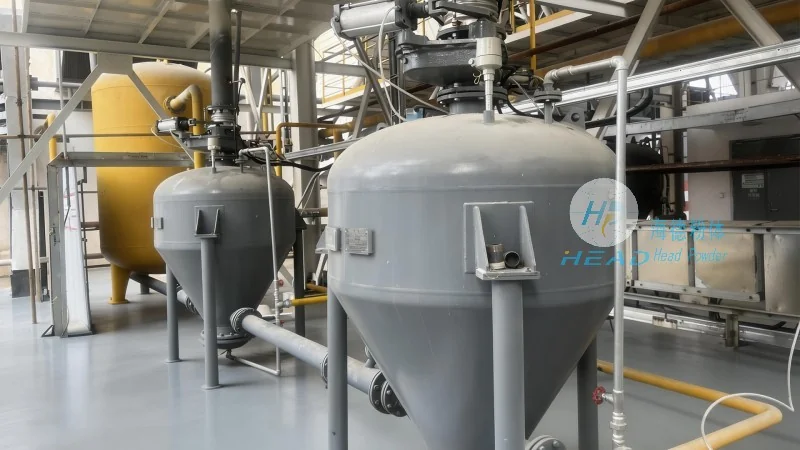
Pipeline transportation is a widely used method for the continuous and large-scale movement of desulfurization sodium bicarbonate. This approach involves the use of specialized pipelines designed to handle the chemical's properties, such as its reactivity and potential for corrosion. The system typically includes pumps, valves, and monitoring equipment to maintain consistent flow and pressure, ensuring that the material reaches its destination without loss or degradation.
One of the primary advantages of pipeline transport is its ability to provide a continuous supply, which is crucial for industrial processes that require a steady feed of desulfurization sodium bicarbonate. This method minimizes handling and reduces the risk of contamination or spillage, as the material is contained within a sealed system. Additionally, it can be integrated with existing industrial infrastructure, making it a cost-effective solution for large-scale operations.
Tank Truck Transportation
Tank truck transportation offers flexibility and speed for the delivery of desulfurization sodium bicarbonate to locations that are not directly connected to a pipeline network. Tank trucks are equipped with insulated and corrosion-resistant tanks, often made from stainless steel or other materials that can withstand the chemical's properties. These vehicles are designed to transport liquids or slurry-like materials, making them suitable for the transport of desulfurization sodium bicarbonate in its aqueous form.
One of the key benefits of tank truck delivery is its ability to reach remote or off-site locations, where pipeline infrastructure may not be feasible. This method allows for on-demand delivery, which is particularly useful for smaller-scale operations or when a rapid response is required. The trucks are equipped with safety features, such as pressure relief valves and leak detection systems, to ensure the safe handling of the material during transit.
Packaging Transportation
Packaging transportation involves the use of various containers, such as bags, drums, or containers, to transport desulfurization sodium bicarbonate in smaller quantities. This method is commonly used for distribution to end-users or for smaller industrial applications where bulk transport is not necessary. The packaging materials are typically made from materials that are resistant to the chemical's effects, such as polyethylene or other corrosion-resistant polymers.
For bulk packaging, large bags or super sacks are often used, which can hold significant quantities of desulfurization sodium bicarbonate while maintaining structural integrity. These bags are designed for easy handling and loading, often using forklifts or specialized equipment. Smaller containers, such as metal drums or plastic buckets, are used for smaller batches or for applications that require more precise control over the amount of material being transported.
Factors Influencing Transport Method Selection

The selection of an appropriate transport method for desulfurization sodium bicarbonate is influenced by a range of factors. The volume of material to be transported is a primary consideration; large volumes favor pipeline or tank truck transport, while smaller volumes may be better suited to packaging methods. The distance between the production site and the destination also plays a role, as longer distances may make pipeline transport less practical and more expensive.
The speed of delivery is another critical factor. For time-sensitive applications, such as emergency supply needs or rapid production ramp-ups, tank truck delivery may be preferred due to its faster response time compared to pipeline systems. Cost is also a significant consideration, as different transport methods have varying operational and capital costs. Companies must evaluate these factors to determine the most cost-effective and efficient method for their specific needs.
Conclusion
Desulfurization sodium bicarbonate is a vital component in many industrial processes, and its transport requires careful consideration to ensure safety, efficiency, and cost-effectiveness. Pipeline transportation offers continuous and large-scale delivery, while tank truck delivery provides flexibility and speed for on-demand supply. Packaging methods are ideal for smaller quantities and end-user distribution. By understanding the specific requirements of their operations, industrial facilities can select the most appropriate transport method for desulfurization sodium bicarbonate, ensuring reliable and consistent supply.

 Shandong Headpowder Engineering Co., Ltd.
 156-6277-7102(Quản lý Trương)
  0531-83386006
  Thành phố Tế Nam, Tỉnh Sơn Đông, Trung Quốc
Điện thoại
WeChatTư vấn
Lên đầu