Chuyên sâu trong lĩnh vực vật liệu rời công nghiệp, cung cấp giải pháp môi trường thông minh tích hợp cho phối trộn tự động, cấp liệu tập trung, khử lưu huỳnh và khử nitơ khô!
When it comes to the efficient and reliable transport of methylcellulose, understanding the common methods employed in industrial applications is crucial. Methylcellulose, a non-ionic polymer widely used in various industries such as pharmaceuticals, food, and construction, requires careful handling to maintain its properties and ensure consistent performance. The following discussion outlines several common approaches to transporting methylcellulose, highlighting the key considerations and equipment used in each method.
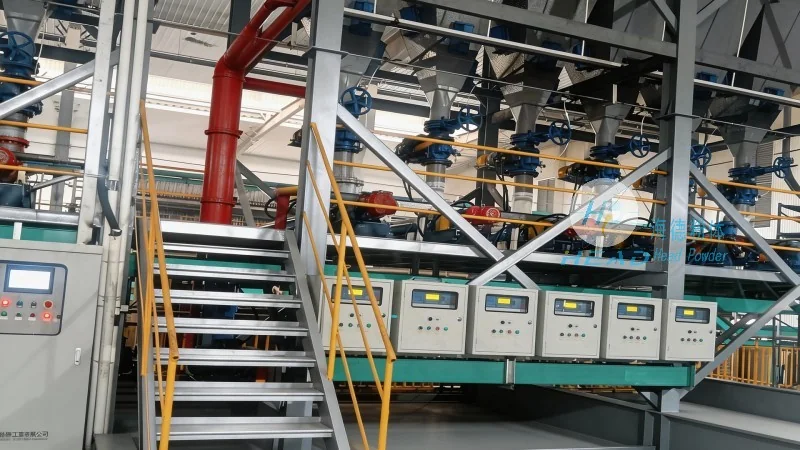
1. Pumping Systems for Methylcellulose Transport
Pumping is one of the most common methods for moving methylcellulose through pipelines or processing lines. The choice of pump depends on the viscosity of the methylcellulose solution and the system requirements. For low to medium viscosity solutions, centrifugal pumps are often used due to their efficiency and ability to handle large volumes. However, for higher viscosity or more viscous formulations, positive displacement pumps like gear pumps or peristaltic pumps may be more suitable. These pumps provide consistent flow rates and pressure, ensuring stable transport without causing shear degradation of the polymer. In industrial settings, pumps are typically integrated with flow meters and pressure sensors to monitor and control the transport process, enhancing operational efficiency and product quality.
2. Piping and Conveying Systems

Piping systems are fundamental to the transport of methylcellulose, with the design of the pipeline playing a critical role in maintaining the integrity of the material. Stainless steel or food-grade plastic pipes are commonly used to prevent contamination and ensure durability. The pipe diameter and material are selected based on the flow rate, viscosity, and temperature of the methylcellulose solution. For instance, larger diameter pipes are used for high-volume applications, while smaller diameters are suitable for low-volume or precise dosing. Additionally, the use of smooth, internal surfaces in the pipes minimizes friction and reduces the risk of material buildup or clogging. In some cases, pipelines may incorporate mixing elements or static mixers to ensure uniform distribution of the methylcellulose throughout the system, which is particularly important when dealing with concentrated solutions or blends.
3. Metering and Dosing Equipment
Accurate metering and dosing of methylcellulose are essential in many applications, such as in pharmaceutical manufacturing or food processing, where precise control over the dosage is critical. Various types of metering pumps are employed for this purpose, including piston, diaphragm, and rotary pumps. These devices allow for precise control of the flow rate and volume of methylcellulose, ensuring consistent addition to the process stream. The selection of the metering pump is influenced by factors like the viscosity of the solution, the required flow rate, and the need for variable or fixed dosing. In addition to pumps, gravimetric or volumetric dosing systems may be used, especially in high-precision applications. These systems provide real-time measurement of the mass or volume of the methylcellulose being added, enabling tight control over the formulation and preventing over or under-dosing.
4. Storage and Transfer Solutions
Proper storage and transfer of methylcellulose are vital to maintaining its quality and preventing degradation. Storage tanks are typically made of stainless steel or other corrosion-resistant materials to protect the material from contamination and chemical reactions. The tanks are equipped with agitators to keep the methylcellulose in a homogeneous state, preventing sedimentation or separation of components. When transferring methylcellulose from storage to processing equipment, it is common to use transfer pumps or vacuum systems to move the material through the pipeline. The transfer process is often monitored to ensure that the material remains in a stable condition, with temperature and pressure controls in place to prevent changes that could affect its properties. In some cases, the use of heat exchangers may be necessary to maintain the temperature of the methylcellulose at an optimal level for transport and processing.
5. Integration with Process Control Systems
Modern industrial transport systems for methylcellulose often integrate with process control systems to enhance automation and efficiency. These systems may include sensors for monitoring flow rates, pressure, temperature, and viscosity, as well as controllers that adjust the operation of pumps or valves based on real-time data. The integration of these systems allows for closed-loop control, ensuring that the transport process remains stable and within specified parameters. This level of automation not only improves operational efficiency but also reduces the risk of human error and ensures consistent product quality. In addition, data logging and reporting features are often included, providing valuable insights into the performance of the transport system and facilitating maintenance and troubleshooting.
6. Considerations for Handling Different Viscosities
The viscosity of methylcellulose can vary significantly depending on the concentration and grade used. Therefore, the transport method must be adapted to the specific viscosity of the material. For low-viscosity solutions, standard pumping and piping systems are sufficient. However, for high-viscosity or gel-like formulations, specialized equipment such as high-shear mixers or pump-assisted systems may be required. The choice of equipment is critical to prevent damage to the polymer structure, which could lead to changes in its rheological properties. In addition, the temperature of the methylcellulose solution must be considered, as temperature changes can affect viscosity and thus the transport characteristics. Proper temperature control during transport is essential to maintain the desired properties of the material and ensure its effectiveness in the final application.
7. Maintenance and Troubleshooting of Transport Systems
Maintenance of the transport systems is essential to ensure long-term reliability and performance. Regular cleaning and inspection of pumps, pipes, and other components are necessary to prevent clogging or degradation of the methylcellulose. The use of compatible cleaning agents and materials is important to avoid damaging the equipment or the polymer. In addition, monitoring the performance of the system over time can help identify potential issues before they become major problems. When troubleshooting issues such as clogging or reduced flow, it is important to check the condition of the equipment, the viscosity of the material, and the system pressure. By addressing these factors promptly, the transport system can be restored to optimal performance, minimizing downtime and ensuring consistent product quality.

8. Case Study: Application in Pharmaceutical Manufacturing
Shandong HeadPowder Engineering Co., Ltd., a leading manufacturer in the field, provides advanced transport solutions for methylcellulose in pharmaceutical applications. The company specializes in customizing pumping and metering systems to meet the stringent requirements of the pharmaceutical industry. For example, in a recent project, the company supplied a peristaltic pump system integrated with a gravimetric dosing unit to ensure precise addition of methylcellulose to a drug formulation. The system was designed to handle high-viscosity solutions and was equipped with temperature control to maintain the material's stability. The result was a consistent and reliable transport process that met the regulatory requirements for pharmaceutical manufacturing. This case study highlights the importance of specialized equipment and careful system design in ensuring the successful transport of methylcellulose in critical applications.
9. Conclusion
In conclusion, the transport of methylcellulose involves a range of methods and equipment designed to maintain the material's properties and ensure efficient processing. From pumping systems and piping to metering and storage solutions, each component plays a vital role in the overall transport process. The choice of method depends on factors such as viscosity, flow rate, and application requirements. By understanding these factors and selecting the appropriate equipment, industrial processes can achieve reliable and consistent transport of methylcellulose, ensuring the quality and performance of the final product. Shandong HeadPowder Engineering Co., Ltd. continues to innovate in this field, providing advanced solutions that meet the evolving needs of industries relying on methylcellulose.

 Shandong Headpowder Engineering Co., Ltd.
 156-6277-7102(Quản lý Trương)
  0531-83386006
  Thành phố Tế Nam, Tỉnh Sơn Đông, Trung Quốc
Điện thoại
WeChatTư vấn
Lên đầu