Chuyên sâu trong lĩnh vực vật liệu rời công nghiệp, cung cấp giải pháp môi trường thông minh tích hợp cho phối trộn tự động, cấp liệu tập trung, khử lưu huỳnh và khử nitơ khô!
When it comes to the transportation of tailings slurry, selecting the right method is crucial for ensuring efficiency, safety, and cost-effectiveness in mining operations. Tailings, which are the fine-grained waste materials left over after mineral processing, often require specialized handling due to their high density and abrasive nature. The choice of transportation method depends on various factors including the distance to be covered, the volume of slurry, the terrain, and the environmental regulations in the area. Here, we explore some of the most common methods used for tailings slurry transportation, highlighting their advantages and typical applications.

1. Pipeline Transportation
Pipeline transportation is one of the most widely used methods for moving tailings slurry over long distances. This method involves pumping the slurry through a network of pipes, which can be made from materials such as steel, concrete, or high-density polyethylene (HDPE) depending on the specific requirements. The primary advantage of pipeline systems is their ability to transport large volumes of slurry continuously and with minimal environmental impact. They are particularly suitable for projects where the tailings need to be deposited in a designated area far from the mine site. The system typically includes a pumping station at the source, which uses high-pressure pumps to move the slurry through the pipeline. The pipeline may also include valves, regulators, and monitoring equipment to control the flow and pressure. One of the key considerations for pipeline transportation is the design of the pipeline to prevent clogging and corrosion. The use of abrasion-resistant materials and regular maintenance is essential to ensure the longevity of the system. Additionally, the pipeline layout must be carefully planned to account for changes in elevation and terrain, often requiring pumping stations or gravity sections to maintain the flow.
2. Pumping Systems
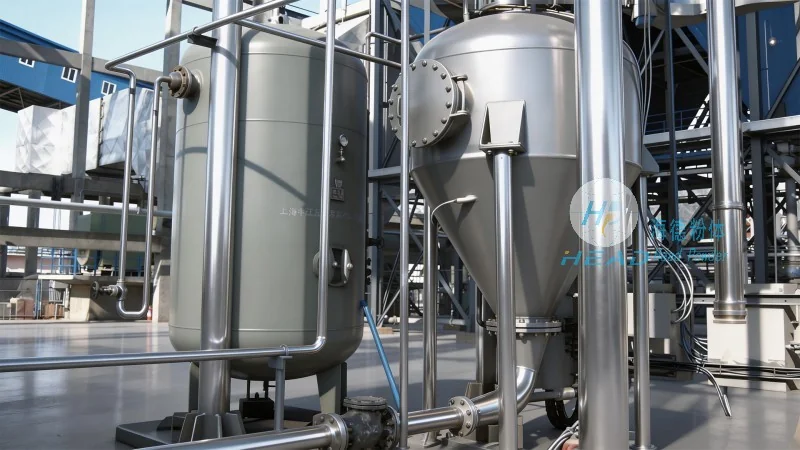
Pumping systems are integral to most tailings slurry transportation methods, especially when dealing with long distances or challenging terrain. These systems can be categorized into several types, including centrifugal pumps, positive displacement pumps, and diaphragm pumps. Centrifugal pumps are commonly used for their ability to handle large volumes of slurry at relatively high flow rates. They are suitable for applications where the slurry is not too viscous or abrasive. Positive displacement pumps, on the other hand, are better suited for high-pressure applications and can handle more viscous or abrasive slurries. These pumps work by moving a fixed volume of slurry with each stroke, ensuring a consistent flow rate even under varying pressure conditions. Diaphragm pumps are often used for smaller-scale operations or when the slurry contains solids that could damage other pump types. They are flexible and can handle a wide range of slurry consistencies. The choice of pump type depends on factors such as the slurry's density, viscosity, and the presence of abrasive particles. Proper maintenance of the pumping system is critical to prevent breakdowns and ensure reliable operation. Regular checks on pump performance, seals, and wear parts are essential to minimize downtime and extend the lifespan of the equipment.
3. Gravity Flow Systems
Gravity flow systems utilize the natural force of gravity to transport tailings slurry from the mine site to the deposition area. This method is often used when the terrain is relatively flat or when the distance is short enough that the slurry can flow downhill without excessive pressure. The system typically consists of a series of pipelines laid along the slope, with the top end at the mine and the bottom end at the tailings pond. The slurry is allowed to flow through the pipeline due to the difference in elevation, reducing the need for pumping and thus lowering operational costs. However, gravity flow systems have limitations, as they require a suitable topography and cannot be used for long distances or steep inclines. The design of the pipeline must be carefully engineered to maintain a consistent flow rate and prevent clogging. The use of slope and pipe diameter is crucial in determining the flow velocity, which must be sufficient to keep the slurry in suspension and prevent sedimentation. In some cases, gravity flow systems may be combined with pumping stations to assist in the flow, especially when the terrain is not ideal. This hybrid approach can provide a balance between cost and efficiency, making it suitable for various mining operations.

4. Truck and Rail Transportation
For shorter distances or in areas where pipeline infrastructure is not feasible, truck and rail transportation are alternative methods for moving tailings slurry. Trucks are commonly used for transporting smaller volumes of slurry to nearby deposition sites. The slurry is typically loaded into specialized trucks equipped with high-capacity tanks and pumping systems. These trucks can navigate rough terrain and deliver the slurry directly to the tailings pond. However, truck transportation is generally less efficient than pipeline systems for large-scale operations due to higher operational costs and environmental concerns. Rail transportation, on the other hand, is used for longer distances and larger volumes. Tailings are loaded into railcars, which are then transported to the deposition area. This method is particularly useful when the mine site and the tailings pond are separated by a significant distance and road access is limited. The use of railcars allows for the transportation of large quantities of slurry in a single trip, reducing the number of trips required and improving efficiency. Both truck and rail transportation methods require careful planning to ensure safety and compliance with environmental regulations. The loading and unloading processes must be designed to minimize spills and prevent contamination of the surrounding environment.
5. Hybrid Systems
In many cases, a combination of the above methods is used to create a hybrid system that optimizes the transportation of tailings slurry. For example, a pipeline system may be used for the main part of the journey, with pumping stations at intervals to maintain the flow, and gravity sections where the terrain allows. Alternatively, a pumping system may be used in conjunction with truck or rail transportation for the final delivery to the tailings pond. Hybrid systems allow for greater flexibility and can adapt to changing conditions on site. They are particularly useful in complex mining operations where the terrain varies significantly or where the distance to the deposition area is long. The design of a hybrid system requires careful consideration of the cost-benefit analysis, as each component contributes to the overall efficiency and effectiveness of the transportation process. By integrating different methods, mining companies can achieve a balance between operational efficiency and environmental responsibility, ensuring that tailings are handled in a sustainable manner.

 Shandong Headpowder Engineering Co., Ltd.
 156-6277-7102(Quản lý Trương)
  0531-83386006
  Thành phố Tế Nam, Tỉnh Sơn Đông, Trung Quốc
Điện thoại
WeChatTư vấn
Lên đầu