

Common Methods for Sodium Sulphate Conveyance
When handling anhydrous sodium sulphate, selecting the appropriate conveyance method is crucial for ensuring efficiency, safety, and cost-effectiveness in industrial operations. The choice of conveyance system depends on factors such as the material's properties, the scale of the operation, and the specific requirements of the processing plant. Shandong HeadPowder Engineering Co., Ltd., a leading manufacturer based in Shandong, China, specializes in providing tailored solutions for sodium sulphate conveyance, leveraging years of experience in the field.

Belt Conveyor Systems for Sodium Sulphate Transportation
Belt conveyors are among the most widely used methods for transporting bulk materials like anhydrous sodium sulphate. These systems consist of a continuous loop of belt that moves material from one point to another through the use of rollers and pulleys. The primary advantage of belt conveyors is their ability to handle large volumes of material over long distances with minimal maintenance. For sodium sulphate, which is often in a dry, granular form, belt conveyors can effectively transport the material without causing excessive dust or degradation. The design of the belt, typically made from durable materials like rubber or PVC, is chosen to resist chemical exposure and wear from the abrasive nature of the sulphate particles. Additionally, the speed and inclination of the conveyor can be adjusted to control the flow rate and prevent material buildup or spillage. This makes belt conveyors suitable for both horizontal and slight incline applications, making them a versatile option for various industrial settings.
Screw Conveyors for Efficient Sodium Sulphate Handling

Screw conveyors, also known as auger conveyors, are another common method for conveying anhydrous sodium sulphate. These systems use a rotating screw (auger) inside a tube to move material forward. The screw's pitch and diameter are carefully selected to match the characteristics of the sodium sulphate, ensuring smooth and continuous transport. Screw conveyors are particularly effective for vertical or inclined transport, as they can lift the material without the need for additional equipment like elevators. This makes them ideal for applications where space is limited or where the material needs to be elevated to a higher level. The enclosed design of screw conveyors also helps to contain dust and prevent material loss, which is important for maintaining product quality and safety. Furthermore, screw conveyors are relatively simple in construction and operation, making them a cost-effective solution for many sodium sulphate handling operations. They are often used in conjunction with other equipment, such as hoppers or feeders, to integrate seamlessly into existing processing lines.
Pumping Systems for Liquid or Slurry Form of Sodium Sulphate
In some cases, anhydrous sodium sulphate may be processed as a liquid or slurry, requiring pumping systems for conveyance. Centrifugal pumps are commonly used for this purpose, as they can handle high volumes of fluid with relatively low maintenance. The pump's impeller design is optimized to handle the abrasive nature of the sulphate particles, ensuring long service life and efficient performance. For applications where precise flow control is required, such as in chemical processing or blending operations, positive displacement pumps like gear pumps or diaphragm pumps may be used. These pumps provide consistent flow rates and pressure, which is critical for maintaining product quality and preventing equipment damage. The choice of pump type depends on factors such as the viscosity of the slurry, the required pressure, and the presence of solids in the mixture. Proper maintenance, including regular cleaning and inspection of the pump components, is essential to ensure reliable operation and prevent clogging or wear.
Air-Driven Conveyance for Dusty or Fine Sodium Sulphate
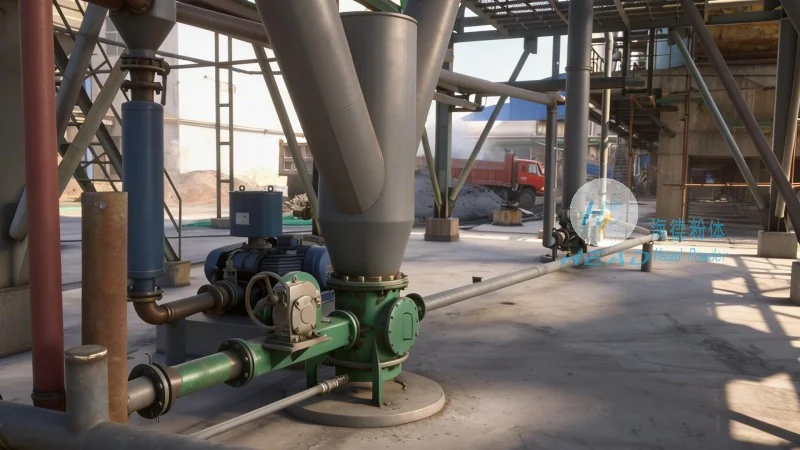
Pneumatic conveying systems are suitable for transporting fine or dusty anhydrous sodium sulphate, especially when the material needs to be moved over short distances or integrated into a dust collection system. These systems use compressed air to transport the material through a pipeline, with the air and material moving in either a dilute or dense phase. Dilute phase pneumatic conveying is typically used for fine powders and short distances, while dense phase conveying is more suitable for bulk materials and longer distances. The advantages of air-driven conveyance include the ability to handle material that is difficult to move with mechanical systems, such as those with high moisture content or sticky properties. However, pneumatic systems require careful design to ensure efficient air usage and to prevent material degradation or clogging. The pipeline design, air pressure, and flow rate must be optimized to maintain the material's integrity and to minimize energy consumption. This method is particularly useful in applications where dust control is a priority, as the material is contained within the pipeline and can be filtered or collected at the destination.
Combination Systems for Complex Sodium Sulphate Conveyance

For more complex or large-scale operations, combination systems that integrate multiple conveyance methods may be employed. For example, a facility might use a belt conveyor to transport bulk sodium sulphate from a storage silo to a hopper, followed by a screw conveyor to elevate the material to a processing unit. The pump system may then be used to transfer any liquid or slurry forms of the sulphate to a mixing tank. This integrated approach allows for efficient material flow and reduces the need for manual handling or multiple transfer points. The combination of different systems also provides flexibility in handling varying material conditions, such as dry granules, wet powders, or slurry. Shandong HeadPowder Engineering Co., Ltd. specializes in designing and manufacturing these integrated conveyance systems, ensuring that each component is optimized for the specific requirements of the sodium sulphate handling process. By combining the strengths of different conveyance methods, these systems can achieve high throughput, low maintenance, and reliable operation, making them ideal for large-scale industrial applications.