

What are the methods for transporting calcined gypsum?
Calcined gypsum, also known as plaster of Paris, is a widely used industrial material in construction, manufacturing, and other sectors. The efficient and reliable transportation of calcined gypsum is crucial for maintaining production efficiency and ensuring product quality. Various methods are employed for this purpose, each with its own advantages and applications. This article explores the common methods for transporting calcined gypsum, providing insights into the technical aspects and practical considerations for each approach.

Overview of Calcined Gypsum Transportation Methods
Transporting calcined gypsum requires specialized equipment and systems to handle its unique properties, such as its fine particle size and tendency to clump. The choice of transportation method depends on factors like the distance of transport, the volume of material, the required speed, and the specific characteristics of the gypsum. Common methods include pneumatic conveying, belt conveyor systems, and screw conveyors, among others. Each method has distinct features that make it suitable for different scenarios.
Pneumatic Conveying Systems for Calcined Gypsum
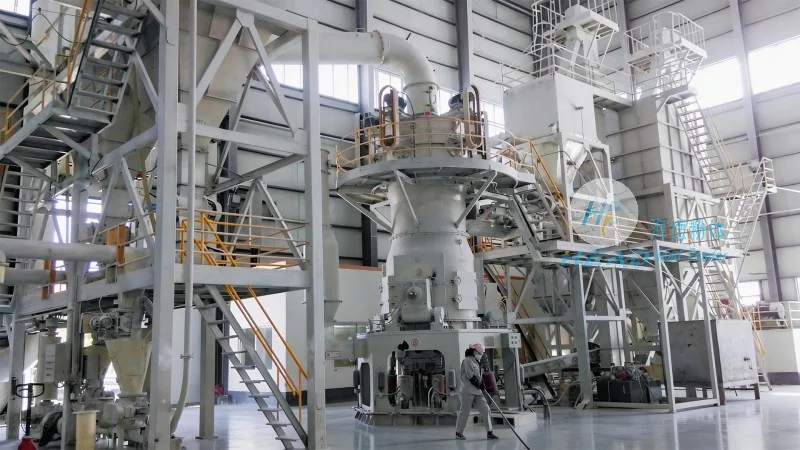
Pneumatic conveying is a popular method for transporting calcined gypsum, especially over moderate distances. This system uses air pressure to move the material through a pipeline. There are two main types: pressure and vacuum systems. Pressure systems use compressed air to push the material forward, while vacuum systems use a vacuum to pull the material into the pipeline. Pneumatic conveying is effective for fine powders and can handle long distances with minimal maintenance. However, it requires careful control of air pressure and flow rates to prevent material degradation or blockages. The system typically includes a hopper, a feeder, and a pipeline with appropriate valves and filters. The efficiency of pneumatic conveying depends on the design of the pipeline, the type of air flow, and the properties of the gypsum being transported.
Belt Conveyor Systems for Bulk Calcined Gypsum
Belt conveyor systems are widely used for the horizontal and inclined transport of bulk calcined gypsum. These systems consist of a continuous belt that moves over rollers or pulleys, transporting the material from one location to another. Belt conveyors are suitable for high-volume transport and can handle large quantities of gypsum efficiently. They are commonly used in industrial plants and construction sites where the material needs to be moved over long distances or elevated levels. The design of the belt conveyor, including the belt material, speed, and inclination angle, is critical for optimal performance. Proper maintenance, such as regular belt tension checks and cleaning, is essential to prevent wear and tear and ensure smooth operation. Belt conveyors can be integrated with other equipment, such as feeders and storage silos, to create a complete material handling system.

Screw Conveyors for Fine Calcined Gypsum Handling
Screw conveyors are another effective method for transporting calcined gypsum, particularly for fine or powdery materials. These systems use a rotating screw (or auger) to move the material along a tube or trough. Screw conveyors are suitable for vertical and horizontal transport and can handle materials with varying moisture content. They are compact and can be installed in tight spaces, making them ideal for applications where space is limited. The speed and rotation of the screw determine the flow rate of the gypsum. Proper lubrication and material flow control are important to prevent clogging and ensure consistent performance. Screw conveyors are often used in conjunction with other equipment, such as hoppers and mixers, to facilitate the handling of calcined gypsum in production processes.
Storage and Handling Considerations for Calcined Gypsum
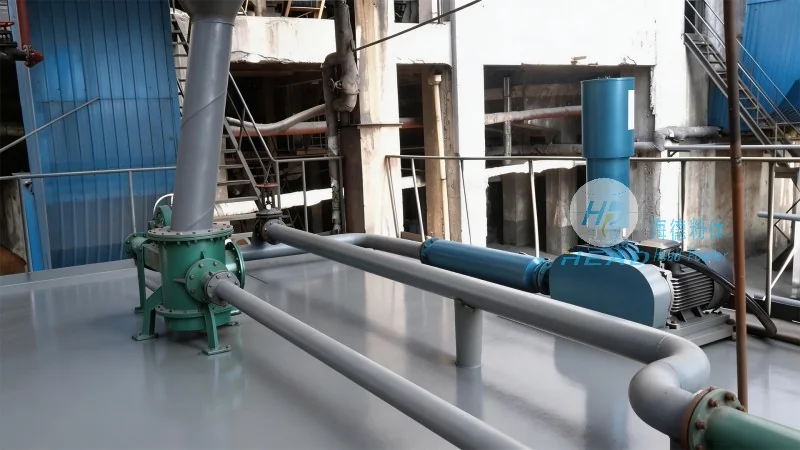
Effective transportation of calcined gypsum also involves proper storage and handling to maintain its quality. Calcined gypsum is hygroscopic, meaning it can absorb moisture from the air, which can affect its properties. Therefore, storage in a dry, well-ventilated area is essential. Silos or storage tanks with airtight covers are commonly used to prevent moisture ingress. The storage system should also allow for easy access for loading and unloading. In addition, regular inspection of the storage facility is necessary to check for any signs of moisture or degradation. Proper handling techniques, such as using appropriate equipment and avoiding excessive agitation, help preserve the quality of the calcined gypsum. By combining efficient transportation methods with proper storage and handling practices, industries can ensure the consistent quality and performance of calcined gypsum in their applications.
Conclusion
Transporting calcined gypsum requires careful consideration of the material's properties and the specific requirements of the application. Pneumatic conveying, belt conveyors, and screw conveyors are the primary methods used, each with its own advantages and limitations. The choice of method depends on factors such as distance, volume, and the need for vertical or horizontal transport. Proper design, maintenance, and handling are crucial for the efficient and reliable transport of calcined gypsum. By implementing the appropriate transportation system and adhering to best practices, industries can enhance their production efficiency and product quality. As a leading provider in the field, Shandong HeadPowder Engineering Co., Ltd. specializes in the design and implementation of calcined gypsum transportation solutions, leveraging years of experience and technical expertise to meet the diverse needs of its clients.