Chuyên sâu trong lĩnh vực vật liệu rời công nghiệp, cung cấp giải pháp môi trường thông minh tích hợp cho phối trộn tự động, cấp liệu tập trung, khử lưu huỳnh và khử nitơ khô!
When it comes to the efficient handling and transportation of aggregate materials in construction and industrial applications, selecting the right transport method is crucial. The choice of equipment can significantly impact operational efficiency, cost-effectiveness, and safety. This article provides a detailed comparison of common aggregate transport methods, highlighting their features, applications, and suitability for various scenarios. The information is presented by Shandong HeadPowder Engineering Co., Ltd., a leading provider of industrial transport solutions based in Shandong, China.
Overview of Aggregate Transport Methods
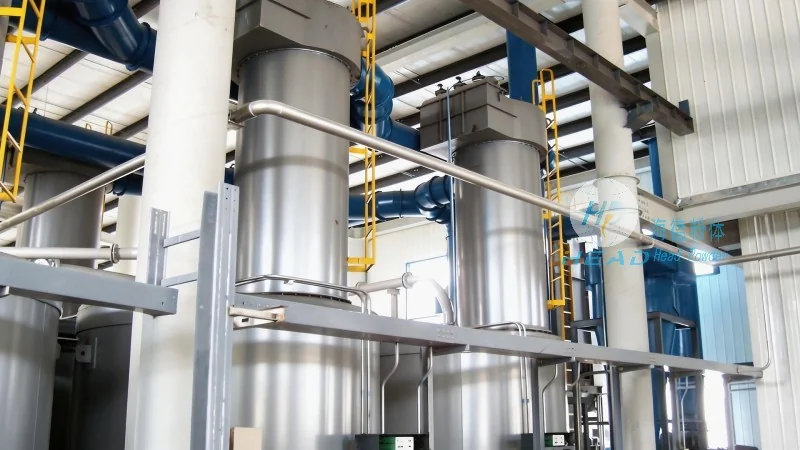
Aggregate materials, such as sand, gravel, and crushed stone, are fundamental components in construction projects. Their transportation from storage sites to processing plants or job sites requires reliable and efficient systems. The primary goal of aggregate transport is to move these materials with minimal loss, reduced downtime, and optimal energy consumption. Several methods are widely used in the industry, each with distinct advantages and limitations.
1. Belt Conveyor Systems
Belt conveyors are among the most common and versatile transport solutions for aggregate materials. These systems consist of a continuous loop of belt that carries the material from the loading point to the discharge point. The belt is typically made of durable materials like rubber or synthetic fabrics, designed to withstand heavy loads and abrasive conditions. Belt conveyors are highly efficient for long-distance transport, with the ability to handle large volumes of material at a steady pace. They are particularly suitable for horizontal or slightly inclined transport, making them ideal for moving aggregates from stockpiles to processing facilities or for long-distance hauls in mining and construction sites.
2. Bucket Elevators

Bucket elevators, also known as vertical conveyors, are specialized equipment designed for vertical or steeply inclined transport of bulk materials. These systems use a series of buckets attached to a belt or chain that moves vertically, lifting the material from a lower to a higher level. Bucket elevators are highly effective for transporting materials that are prone to spillage or require vertical elevation, such as sand, gravel, and crushed stone. They are commonly used in processing plants to move materials from storage bins to processing equipment or for vertical transport in industrial settings where space is limited. The design of bucket elevators ensures minimal material spillage and efficient vertical movement, making them a preferred choice for vertical transport needs.
3. Screw Conveyors
Screw conveyors, or auger conveyors, are another popular method for transporting aggregate materials. These systems use a rotating screw (auger) to move material along a U-shaped or tubular housing. The screw rotates, pushing the material forward as it travels through the conveyor. Screw conveyors are well-suited for horizontal or slight incline transport and are particularly effective for handling fine or powdery materials that might be difficult to move with other systems. They are commonly used in processing plants for feeding raw materials into crushers or for transporting materials within processing lines. The enclosed design of screw conveyors helps prevent material spillage and contamination, making them suitable for applications where cleanliness is important.
4. Pneumatic Conveying Systems

Pneumatic conveying systems use air pressure to transport aggregate materials through a pipeline. These systems can be categorized into two main types: dilute phase and dense phase. Dilute phase systems use high-velocity air to move material in a dispersed state, while dense phase systems use lower velocity air to move material in a more concentrated form. Pneumatic conveyors are ideal for transporting materials over medium to long distances, especially in applications where the material needs to be moved through existing pipelines or in enclosed environments. They are commonly used in industries such as mining, cement production, and food processing, where the material must be transported without spillage or contamination. Pneumatic systems offer flexibility in terms of layout and can be integrated with other processing equipment, making them a versatile option for aggregate transport.
Factors Influencing the Choice of Transport Method
The selection of an appropriate aggregate transport method depends on several key factors, including the type of material, the distance to be covered, the required throughput, and the available space. Material characteristics such as size, shape, moisture content, and abrasiveness play a significant role in determining the most suitable system. For example, heavy and abrasive materials like crushed stone may require more robust equipment like belt conveyors with reinforced belts, while fine materials like sand may be better suited for screw conveyors or pneumatic systems. The distance of transport is another critical factor; long-distance horizontal transport is often handled by belt conveyors, while vertical transport is best addressed by bucket elevators. Throughput requirements, which refer to the volume of material that needs to be moved per unit of time, also influence the choice of equipment. Higher throughput demands may necessitate larger conveyor systems or multiple conveyors working in parallel. Finally, the available space and layout of the facility can impact the selection, as some systems like bucket elevators require vertical space, while others like belt conveyors can be installed horizontally or at an incline.
Conclusion
In conclusion, the choice of aggregate transport method is a critical decision that impacts the efficiency and success of construction and industrial projects. Each method, including belt conveyors, bucket elevators, screw conveyors, and pneumatic systems, has its own unique advantages and is best suited for specific applications. Understanding the characteristics of the material, the transport distance, and the operational requirements is essential for selecting the right system. Shandong HeadPowder Engineering Co., Ltd. specializes in providing tailored transport solutions that meet the specific needs of clients, ensuring optimal performance and reliability in aggregate handling. By leveraging their expertise and advanced equipment, HeadPowder helps clients achieve efficient and cost-effective material transport, supporting their operations in the construction and industrial sectors.

 Shandong Headpowder Engineering Co., Ltd.
 156-6277-7102(Quản lý Trương)
  0531-83386006
  Thành phố Tế Nam, Tỉnh Sơn Đông, Trung Quốc
Điện thoại
WeChatTư vấn
Lên đầu