

How Epoxy Resin Transportation Methods Work: A Comprehensive Guide
Epoxy resin, a versatile and widely used material in various industries, requires efficient and reliable transportation methods to ensure its optimal performance and safety during handling. The choice of transportation method depends on several factors, including the resin's viscosity, application requirements, and the scale of operations. In this article, we explore the primary methods used for epoxy resin transportation, highlighting the key considerations and best practices for each approach.
1. Pumping Systems for Epoxy Resin
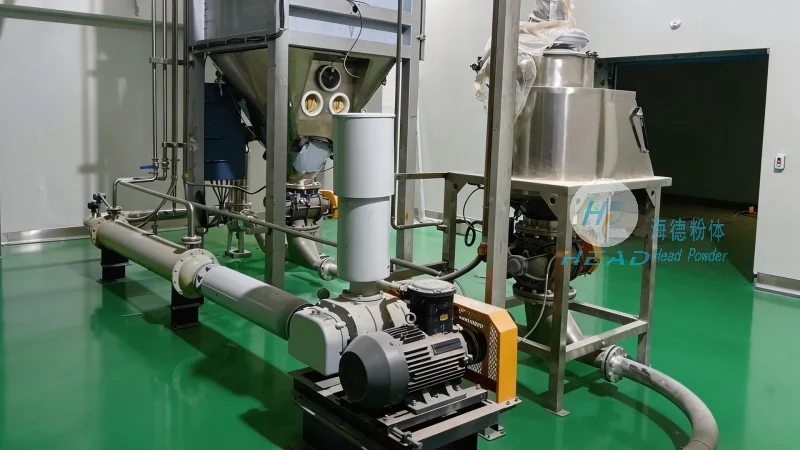
One of the most common and effective methods for epoxy resin transportation is through pumping systems. These systems are designed to handle the high viscosity of epoxy resins, which can range from low to high depending on the formulation. The primary types of pumps used include gear pumps, piston pumps, and diaphragm pumps. Gear pumps are particularly suitable for low to medium viscosity resins, providing consistent flow rates and pressure. Piston pumps, on the other hand, are ideal for high-viscosity resins, offering precise control over the flow and pressure. Diaphragm pumps are often used for more viscous or sensitive resins, as they minimize shear stress and prevent contamination. The choice of pump depends on the specific resin properties and the desired application. For instance, in industrial settings, gear pumps are often preferred for their durability and ability to handle large volumes, while piston pumps are used in applications requiring high precision, such as in the manufacturing of composite materials. HeadPowder, a leading manufacturer of industrial pumping solutions, offers a range of pumps tailored to the specific needs of epoxy resin transportation. Their gear pumps, for instance, are designed to handle low to medium viscosity resins with high efficiency and durability, making them a popular choice in various industrial applications.
2. Pipeline and Hose Systems

Another widely used method for epoxy resin transportation is through pipeline and hose systems. These systems are particularly effective for continuous and large-scale operations, where the resin needs to be moved from storage tanks to processing equipment. The pipelines are typically made of materials resistant to epoxy resin, such as stainless steel, polyethylene, or PVC. The selection of pipeline material is crucial to prevent corrosion and ensure the integrity of the resin. For example, stainless steel pipelines are commonly used in industrial applications due to their strength and resistance to chemical attack. Hoses, often made of flexible materials like rubber or PVC, are used for shorter distances or when the resin needs to be moved to different locations within a facility. The diameter of the pipeline or hose is also an important consideration, as it affects the flow rate and pressure requirements. Proper sizing ensures that the resin flows smoothly without excessive pressure drops or turbulence, which can lead to degradation or clogging.
3. Metering and Dosing Equipment
For applications that require precise control over the amount of epoxy resin used, metering and dosing equipment are essential. These systems are commonly used in industries such as electronics, automotive, and construction, where accurate dosing is critical for product quality and consistency. The primary types of metering equipment include positive displacement meters, gravimetric dosers, and volumetric pumps. Positive displacement meters, such as gear or piston meters, provide high accuracy and are suitable for high-viscosity resins. Gravimetric dosers measure the mass of the resin, offering even higher precision, which is particularly important in applications like coating and bonding. Volumetric pumps, while less precise than the other two types, are often used for general-purpose dosing. The choice of metering equipment depends on the application requirements, such as the desired accuracy, flow rate, and the type of resin being used. For example, in the production of epoxy coatings, gravimetric dosers are often used to ensure that the correct ratio of resin to hardener is maintained, which is crucial for the final product's properties.

4. Bulk Handling and Storage Solutions
Bulk handling and storage solutions are also important for epoxy resin transportation, especially for large-scale operations. These systems are designed to store and transport large quantities of resin in bulk, reducing the need for frequent refills and minimizing handling time. The storage tanks are typically made of materials resistant to epoxy resin, such as stainless steel or fiberglass. The tanks are equipped with agitators to prevent the resin from settling and to maintain a uniform consistency. The agitators are usually slow-moving to avoid excessive shear, which can affect the resin's properties. The storage tanks are also fitted with level indicators and temperature sensors to monitor the resin's condition and ensure it remains within the optimal temperature range. For example, in a manufacturing plant, bulk storage tanks are used to store large quantities of epoxy resin, which are then pumped to processing equipment as needed. This approach not only improves efficiency but also reduces the risk of spills and contamination.
5. Safety and Maintenance Considerations
When transporting epoxy resin, safety and maintenance are paramount. Epoxy resins can be hazardous if not handled properly, and proper safety measures must be in place to protect workers and the environment. The transportation systems must be designed to prevent leaks and spills, and regular maintenance is required to ensure their proper functioning. Regular inspections of pumps, pipelines, and hoses are necessary to identify any signs of wear or damage. For example, gear pumps should be checked for wear on the gears and bearings, while pipelines should be inspected for corrosion or cracks. The use of proper seals and gaskets is also important to prevent leaks. Additionally, workers handling the resin should wear appropriate personal protective equipment (PPE), such as gloves, goggles, and respirators, to protect themselves from exposure. Proper training is also essential to ensure that workers understand the risks associated with epoxy resin and how to handle it safely.