

Comparison of Common Potato Starch Conveying Methods
When it comes to handling potato starch in industrial settings, selecting the right conveying method is crucial for efficiency, cost-effectiveness, and product integrity. The choice of conveying system directly impacts production line performance, material handling speed, and overall operational reliability. In this article, we will explore several common potato starch conveying methods used by industry leaders, focusing on their characteristics, advantages, and typical applications.
Introduction to Potato Starch Conveying Systems

Potato starch, a key ingredient in various food and industrial applications, requires specialized handling due to its fine particle size and hygroscopic nature. Conveying systems must be designed to prevent caking, blockages, and material degradation while ensuring smooth, continuous transport. The following methods represent the most widely adopted solutions in the industry, each with unique features tailored to specific operational needs.
1. Screw Conveyor (Auger Conveyor) for Potato Starch
Screw conveyors, also known as auger conveyors, are among the most common equipment for transporting potato starch. These systems consist of a rotating helical screw inside a cylindrical tube, which moves material forward through rotation. The design allows for vertical and horizontal transport, making them versatile for various layouts. For potato starch, screw conveyors are particularly effective due to their ability to handle fine powders without excessive pressure or friction. They are often used in feed and food processing plants where gentle material handling is essential. The smooth, enclosed design minimizes dust dispersion and maintains product purity, which is critical for food-grade applications. Additionally, screw conveyors are relatively low-cost and easy to maintain, making them a popular choice for small to medium-sized operations. However, their capacity is limited compared to larger systems, and they may not be suitable for very high-volume or abrasive materials.
2. Pneumatic Conveying Systems for Fine Powders
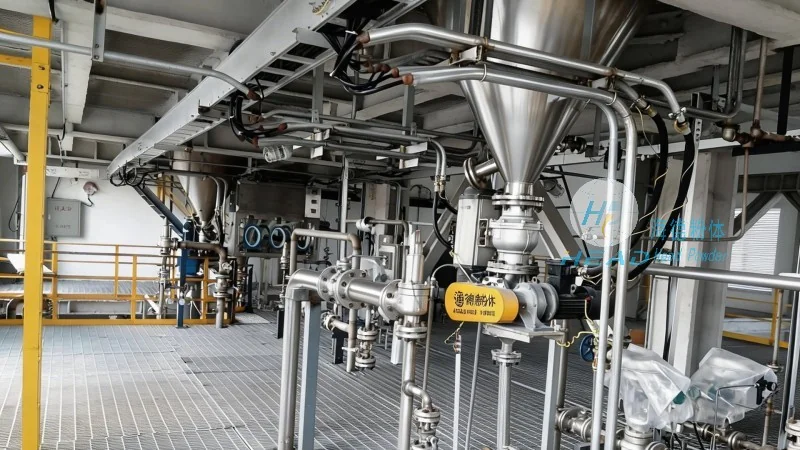
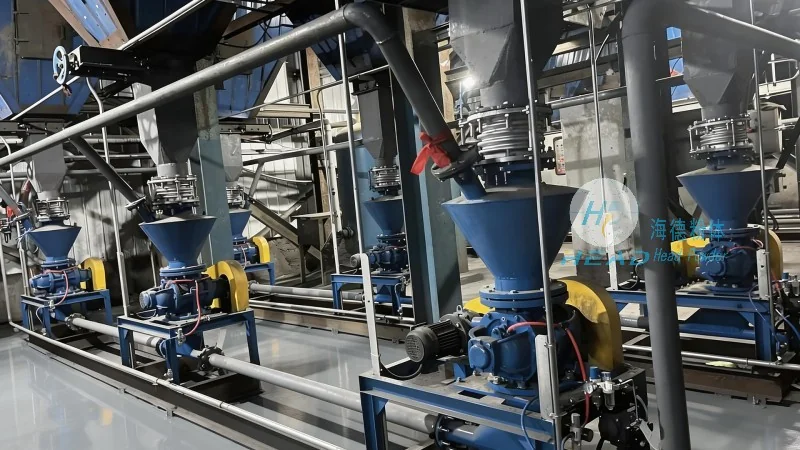
Pneumatic conveying, or air-based transport, is another widely used method for potato starch handling. This technology uses compressed air to move material through a pipeline system. There are two main types: dilute-phase and dense-phase conveying. Dilute-phase systems use low air-to-material ratios, suitable for low to medium capacity applications, while dense-phase systems employ higher air pressure and lower flow rates, ideal for high-capacity, long-distance transport with minimal product degradation. For potato starch, pneumatic conveying offers several advantages, including the ability to transport materials over long distances without the need for multiple transfer points. The enclosed pipeline design prevents dust contamination and ensures a clean environment, which is vital for food processing. Additionally, pneumatic systems can handle abrasive materials and are less prone to clogging compared to mechanical conveyors. However, they require significant energy input for compressed air and may not be suitable for very fine or hygroscopic powders that tend to stick to pipes. Proper system design and maintenance are essential to prevent material buildup and ensure consistent performance.
3. Belt Conveyor for Bulk Potato Starch Transport
Belt conveyors are a classic solution for bulk material handling, including potato starch. These systems consist of a continuous belt that moves over rollers or pulleys, transporting material from one point to another. Belt conveyors are highly efficient for high-volume, continuous transport and are commonly used in feed mills and starch processing plants. They are particularly effective for handling larger particles or bulkier starch products, such as dried potato flakes or granules. The design allows for long horizontal or inclined runs, making them suitable for large-scale operations where space is available. Belt conveyors are durable and can handle heavy loads, reducing the risk of material spillage and improving safety in the workplace. However, they require regular maintenance to ensure the belt remains in good condition and to prevent wear and tear. Additionally, belt conveyors may not be ideal for very fine powders, as they can cause dust issues and require additional dust control measures.
4. Bucket Elevator for Vertical Transport of Potato Starch
Bucket elevators are specialized equipment designed for vertical transport of materials, including potato starch. These systems consist of a vertical or inclined conveyor with buckets attached to a chain or belt. As the conveyor rotates, the buckets scoop up material from a hopper and lift it to the desired height before releasing it into a discharge chute. Bucket elevators are highly efficient for vertical transport, capable of moving large volumes of material at high speeds. They are particularly useful in starch processing plants where material needs to be elevated from ground level to upper levels for processing or storage. The enclosed design prevents dust dispersion and maintains product purity, which is critical for food-grade applications. Additionally, bucket elevators are reliable and can handle abrasive materials without significant wear. However, they require careful alignment and maintenance to prevent bucket damage or chain breakage. Overloading the system can also lead to blockages, so proper control systems are essential for safe operation.
5. Comparison and Selection Criteria
When selecting a potato starch conveying method, several factors must be considered to ensure the best fit for a specific application. These include the material's properties (particle size, moisture content, hygroscopicity), the required capacity and distance of transport, the available space and layout of the facility, and the budget for equipment and maintenance. For example, screw conveyors are ideal for low to medium capacity, short-distance transport of fine powders, while pneumatic systems excel in long-distance, high-capacity transport with minimal product degradation. Belt conveyors are best suited for bulk, horizontal transport, and bucket elevators are essential for vertical lifting. The choice of system should also align with the overall production goals, such as maintaining product quality, improving operational efficiency, and ensuring worker safety.
Conclusion
Choosing the right potato starch conveying method is a critical decision for any industrial operation. Each system has its strengths and limitations, and the optimal choice depends on the specific needs of the application. By understanding the characteristics of different conveying technologies and considering factors such as material properties, capacity, and operational requirements, businesses can select a system that maximizes efficiency, minimizes costs, and ensures product integrity. As a leading provider of potato starch handling solutions, Shandong HeadPowder Engineering Co., Ltd. specializes in designing and manufacturing customized conveying systems tailored to the unique needs of each client. With decades of experience in the industry, HeadPowder offers a range of solutions, including screw conveyors, pneumatic systems, belt conveyors, and bucket elevators, to meet the diverse demands of potato starch processing. Whether for small-scale operations or large industrial plants, HeadPowder's expertise ensures that clients receive reliable, efficient, and cost-effective conveying solutions that enhance their production capabilities and support their long-term success.